Lodge Cast Iron Cookware
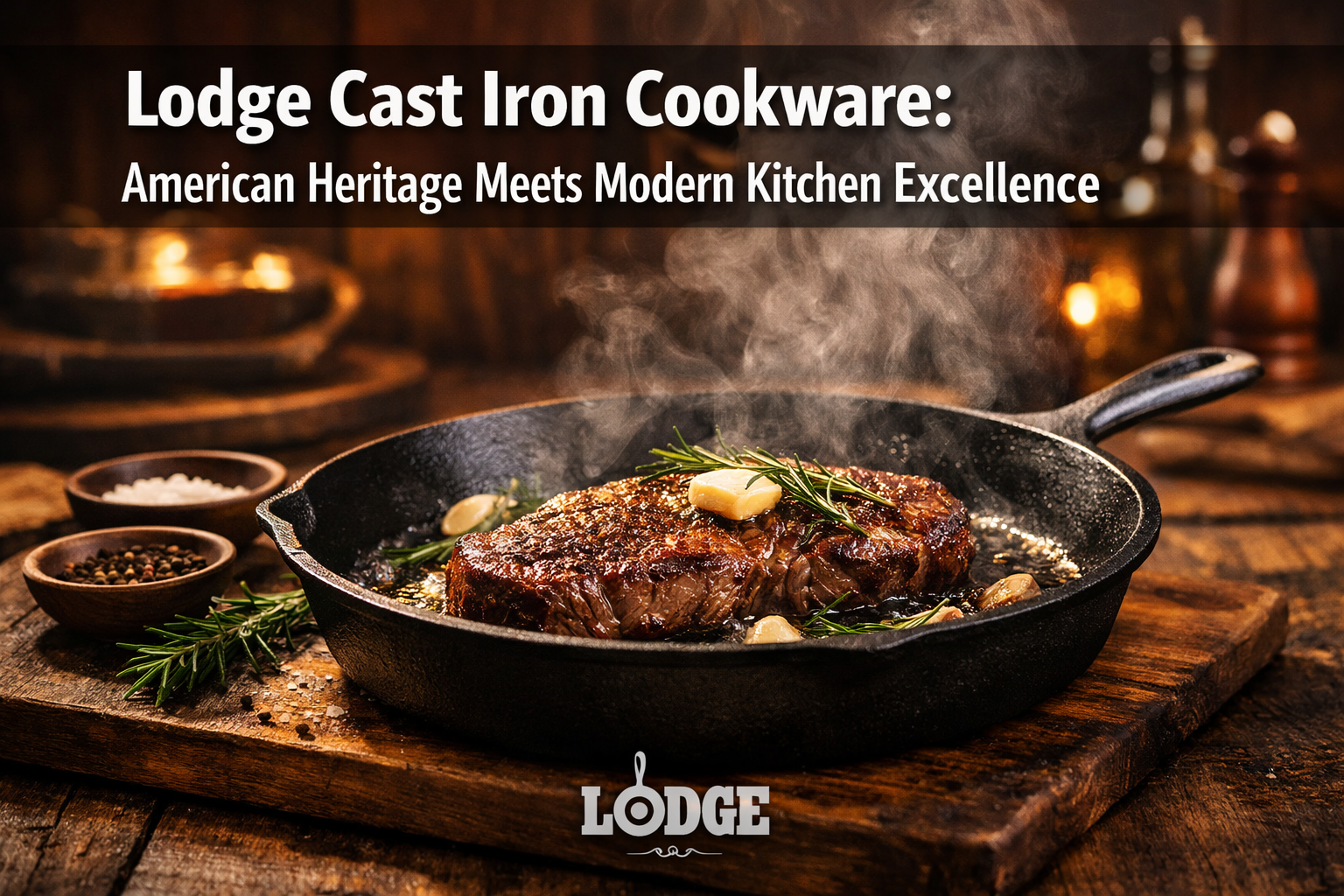
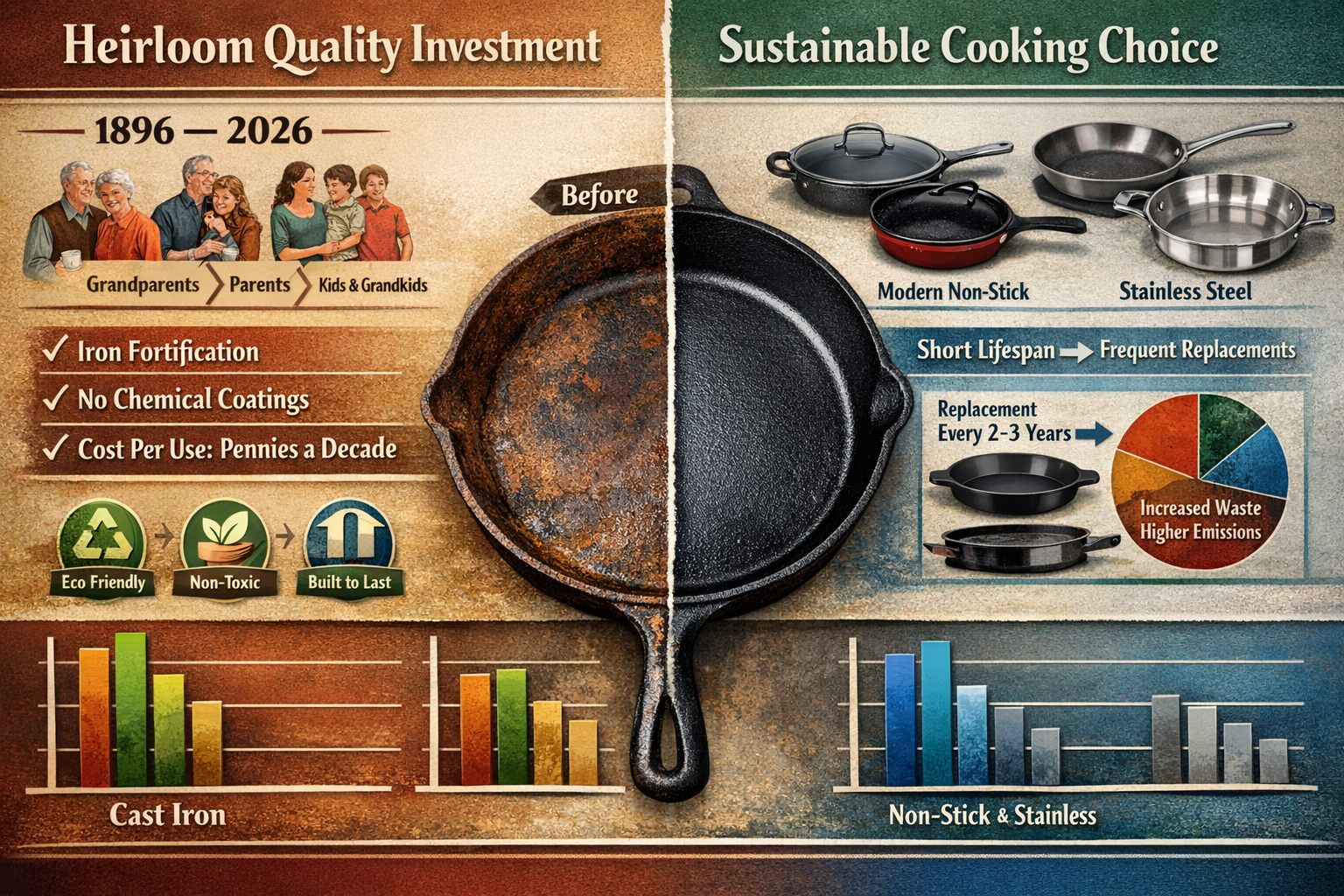
For over 125 years, one name has stood as the cornerstone of American cooking tradition Lodge. When a grandmother passes down her perfectly seasoned skillet to the next generation, chances are it bears the Lodge name. This isn’t just cookware; it’s a culinary heirloom that connects families, cultures, and cooking traditions across more than a century of American heritage.
Lodge Cast Iron Cookware represents more than kitchen tools, it embodies durability, versatility, and an unwavering commitment to quality that has made it the trusted choice for home cooks and professional chefs alike in 2026.
In an era of disposable kitchen gadgets and chemical-laden non-stick surfaces, Lodge stands apart as a beacon of sustainable, healthy cooking. The company’s dedication to American manufacturing and time-tested craftsmanship has created cookware that doesn’t just last years, it lasts generations.
Whether searing the perfect steak, baking cornbread, or slow-cooking a hearty stew, Lodge cast iron delivers unmatched performance that improves with every use.
Key Takeaways
- Lodge Cast Iron Cookware has been manufactured in the USA since 1896, representing over 125 years of American craftsmanship and cooking heritage
- Cast iron offers superior heat retention and even cooking compared to modern alternatives, while providing natural iron fortification to foods
- Proper seasoning and maintenance transform Lodge cookware into naturally non-stick surfaces that improve with age, creating heirloom cookware that lasts generations
- Lodge’s expanded product lines, including the premium Blacklock collection and celebrity collaborations, offer options for every cooking style and skill level
- Investing in quality cast iron provides exceptional long-term cost-effectiveness and environmental sustainability compared to disposable cookware alternatives
The Legacy of Lodge Cast Iron: An American Manufacturing Story
Check Latest Deals Here
The story of Lodge Cast Iron Cookware begins in 1896 in South Pittsburg, Tennessee, where Joseph Lodge founded the company with a vision of creating durable, affordable cookware for American families.
Through economic depressions, world wars, and dramatic shifts in cooking trends, Lodge has remained steadfast in its commitment to domestic manufacturing—a rarity in today’s globalized marketplace.
A Heritage Built on Quality
Unlike competitors who moved production overseas, Lodge continues to manufacture its products in the United States[1], employing skilled craftspeople who understand the art and science of cast iron production. This commitment to American manufacturing ensures quality control at every stage, from the initial sand molds to the final seasoning process.
The company’s dedication to heritage extends beyond production. In 2026, The Lodge Museum of Cast Iron opened its doors[2], offering visitors an immersive experience into the history, science, and cultural significance of cast iron cooking. This museum represents more than corporate nostalgia, it’s a testament to Lodge’s role in shaping American culinary traditions.
Innovation Meets Tradition
While respecting traditional methods, Lodge continuously innovates. The company recently introduced Blacklock, described as their premium line of cast iron cookware[2], combining lighter-weight construction with superior heat retention. This innovation addresses a common concern about traditional cast iron while maintaining the cooking performance that made Lodge famous.
Additionally, Lodge has embraced modern marketing strategies, including a notable partnership where Dolly Parton has collaborated with Lodge to release a brand new line of skillets[3]. This celebrity endorsement brings cast iron cooking to new audiences while honoring the Southern cooking traditions both Parton and Lodge represent.
Understanding Cast Iron’s Superior Cooking Performance
The science behind cast iron’s exceptional cooking performance lies in its unique material properties. Unlike aluminum or stainless steel, cast iron offers characteristics that fundamentally transform how heat interacts with food.
Heat Retention and Distribution
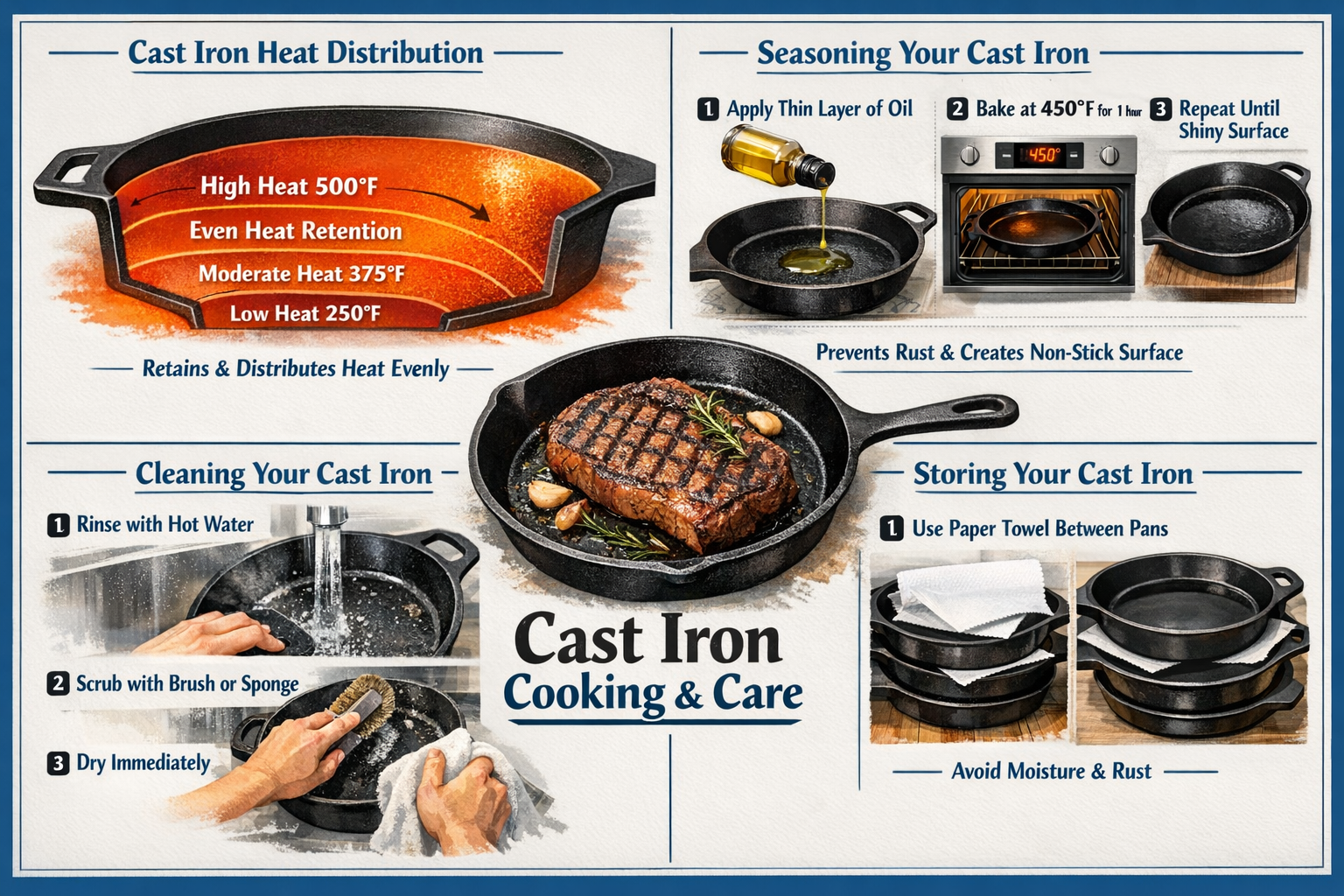
Cast iron’s molecular structure creates unparalleled heat retention capabilities. Once properly preheated, a Lodge skillet maintains consistent temperature even when cold ingredients are added, a critical advantage for achieving restaurant-quality sears on steaks or maintaining oil temperature during frying.
The material’s thickness ensures even cooking across the entire surface, eliminating hot spots that plague thinner cookware. This uniform heat distribution means perfectly browned cornbread edges, evenly cooked pancakes, and steaks with consistent crust development from edge to center.
The Science of Seasoning
Seasoning transforms raw cast iron into a naturally non-stick surface through a process called polymerization. When oil is heated on cast iron, it bonds to the metal at a molecular level, creating layers of carbonized oil that build up over time. This seasoned surface provides several advantages:
- Natural non-stick properties that improve with use
- Protection against rust and corrosion
- Enhanced flavor development through accumulated cooking oils
- Chemical-free cooking surface unlike synthetic non-stick coatings
For those new to the process, our comprehensive guide to cast iron seasoning provides detailed instructions for achieving and maintaining perfect seasoning.
Health Benefits of Cast Iron Cooking
Beyond performance, Lodge Cast Iron Cookware offers genuine health advantages. Studies have demonstrated that cooking in cast iron increases the iron content of foods, particularly acidic dishes like tomato sauce. For individuals with iron deficiency, this natural fortification provides dietary benefits without supplements.
Unlike modern non-stick cookware that may contain PFAS or other synthetic chemicals, properly seasoned cast iron offers a completely natural cooking surface. This makes it an excellent choice for health-conscious cooks seeking cookware for healthy eating.
The Complete Lodge Product Collection
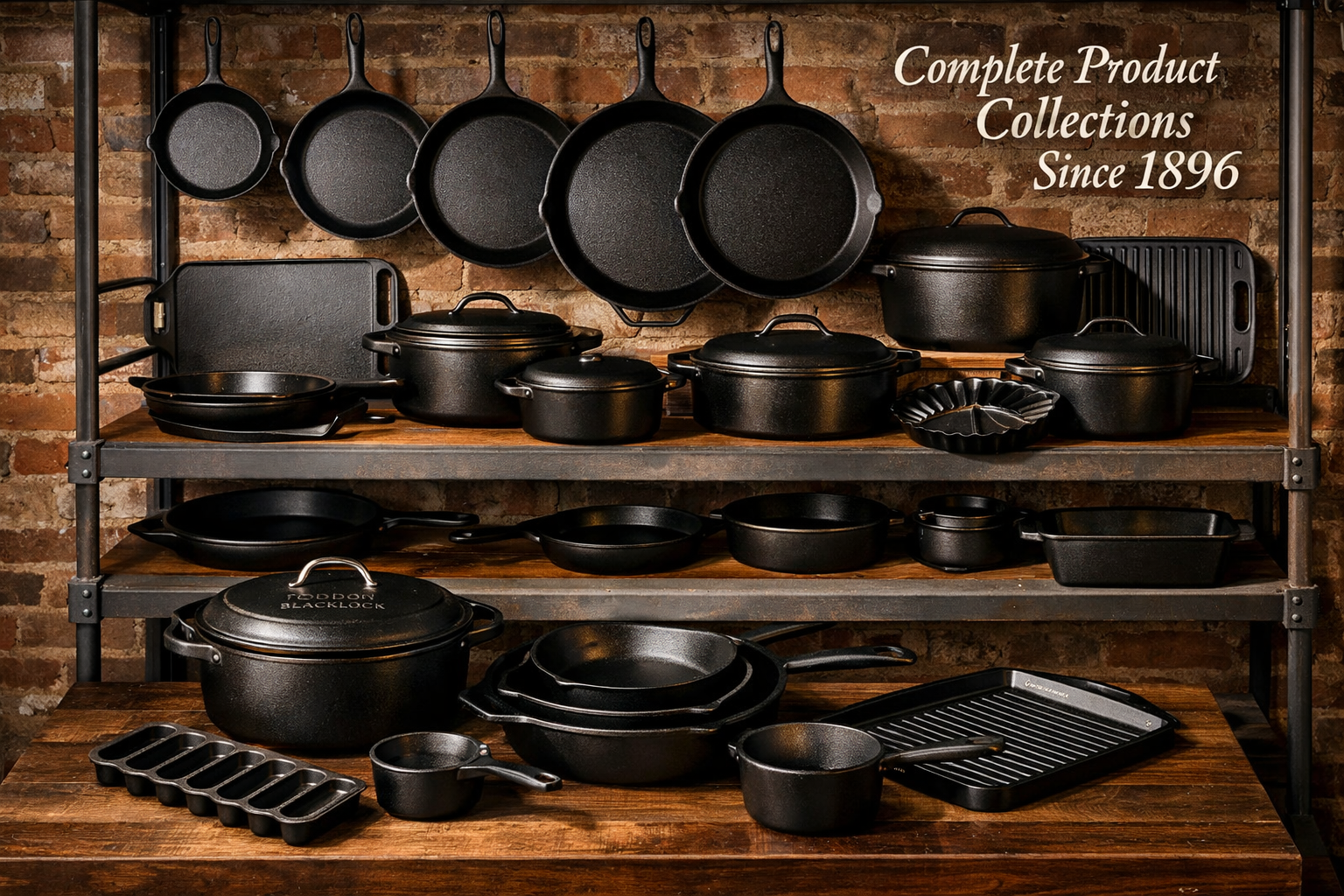
Lodge’s extensive product line serves every cooking need, from compact 6-inch skillets perfect for single eggs to massive 15-inch pans capable of feeding a crowd. Understanding the collection helps cooks select the right tools for their culinary adventures.
Classic Skillets: The Foundation
The iconic Lodge cast iron skillet remains the cornerstone of the collection. Available in sizes ranging from 6 to 15 inches, these versatile pans handle everything from morning eggs to evening stir-fries. The most popular 10.25-inch and 12-inch sizes provide optimal cooking surface area while remaining manageable for most cooks.
Each skillet features Lodge’s signature helper handle, making it easier to maneuver heavy cookware when full. The sloped sides facilitate flipping and turning, while the pour spouts enable clean transfer of liquids without drips.
Dutch Ovens and Deep Cooking
Lodge Dutch ovens transform cast iron’s capabilities from stovetop to oven. These deep, lidded pots excel at:
- Slow-cooking stews, braises, and pot roasts
- Bread baking with superior crust development
- Deep frying with excellent temperature stability
- Outdoor cooking over campfires or coals
The tight-fitting lids create a self-basting environment, keeping moisture circulating for tender, flavorful results. Many experienced cooks consider a Dutch oven essential oven-safe cookware for one-pot meals.
Specialty Pieces and Innovations
Beyond basic skillets and Dutch ovens, Lodge offers specialized cookware for specific applications:
Griddles: Large, flat surfaces perfect for pancakes, grilled cheese, or fajitas
Grill Pans: Raised ridges create attractive grill marks and allow fat drainage
Cornbread Pans: Individual portions with perfectly crispy edges
Pizza Pans: Superior heat retention for crispy, evenly cooked crusts
Woks: Asian cooking with authentic high-heat performance
The Premium Blacklock Line
The Blacklock collection represents Lodge’s premium offering[2], featuring lighter-weight construction achieved through thinner casting and precision machining. This line appeals to cooks who appreciate cast iron’s performance but find traditional pieces too heavy for regular use.
Blacklock pieces feature a distinctive triple-seasoning process that creates an exceptionally smooth, naturally non-stick surface from the first use. The refined finish and lighter weight command premium pricing but deliver enhanced user experience.
Mastering Cast Iron Cooking Techniques
Success with Lodge Cast Iron Cookware requires understanding techniques that differ from other cookware materials. These methods unlock cast iron’s full potential while avoiding common pitfalls.
Proper Preheating: The Foundation of Success
Cast iron’s thermal mass requires longer preheating than aluminum or stainless steel. For optimal results:
- Place the empty pan over medium-low heat
- Allow 5-10 minutes for thorough heating
- Test temperature with water droplets (should sizzle and evaporate)
- Add cooking fat only after proper preheating
Rushing this process creates uneven heating and increases sticking. Patient preheating ensures the entire cooking surface reaches optimal temperature.
The Perfect Sear Technique
Cast iron’s heat retention makes it ideal for developing deep, flavorful crusts on proteins. For restaurant-quality results:
- Pat proteins completely dry before cooking
- Use high smoke-point oils (avocado, grapeseed, or refined vegetable)
- Don’t move food prematurely—allow crust to develop naturally
- Finish in the oven for thick cuts to ensure even cooking
The pan’s ability to transition from stovetop to oven enables techniques like reverse-searing or finishing delicate proteins without transferring between vessels.
Low-and-Slow Braising
Dutch ovens excel at transforming tough cuts into tender, flavorful meals through extended cooking. The heavy lid and even heat distribution create ideal braising conditions:
- Sear proteins to develop fond (browned bits)
- Deglaze with liquid to capture flavor
- Add aromatics and vegetables
- Cover and cook at low temperature (275-325°F)
- Allow time for collagen breakdown (2-4 hours minimum)
This technique works beautifully with pot roasts, short ribs, lamb shanks, and similar cuts that benefit from extended cooking.
Baking and Roasting Applications
Cast iron’s oven performance rivals dedicated bakeware. The material’s heat retention creates superior crust development on breads, while even heating ensures consistent results for roasted vegetables, frittatas, and desserts like cobblers or upside-down cakes.
For bread baking specifically, preheating a Dutch oven creates a steam environment similar to professional ovens, producing artisan-quality loaves with crispy crusts and open crumb structures.
Care and Maintenance: Building Your Heirloom
Proper care transforms Lodge Cast Iron Cookware from kitchen tools into family heirlooms. The maintenance process is simpler than many believe, requiring only consistent basic practices.
Daily Cleaning Protocol
Contrary to popular myths, cast iron can and should be cleaned after each use:
- Clean while warm (not hot) for easiest food removal
- Use hot water and a stiff brush or chain mail scrubber
- Mild soap is acceptable for modern seasoned cookware
- Dry immediately and thoroughly to prevent rust
- Apply thin oil coating while still warm
The “never use soap” myth originated when soaps contained lye that could strip seasoning. Modern dish soaps are safe for properly seasoned cast iron.
Seasoning Maintenance and Restoration
Well-maintained seasoning requires occasional reinforcement. Signs that re-seasoning is needed include:
- Dull, dry appearance instead of slight sheen
- Food sticking in previously non-stick areas
- Rust spots developing on the surface
The re-seasoning process involves applying thin layers of high smoke-point oil and heating in a 450-500°F oven for one hour. Multiple thin layers outperform single thick applications. Our detailed cast iron seasoning guide provides comprehensive instructions.
Storage Strategies
Proper storage prevents rust and maintains seasoning quality:
- Store in dry locations with good air circulation
- Place paper towels between stacked pieces to absorb moisture
- Avoid lids stored directly on Dutch ovens (creates moisture trap)
- Consider hanging frequently used pieces for easy access
For those with limited space, smart cookware storage solutions can help organize cast iron collections efficiently.
Restoring Vintage and Damaged Pieces
One of cast iron’s greatest advantages is complete restorability. Even severely rusted pieces can be returned to excellent condition through:
Electrolysis: Using electrical current to remove rust
Lye baths: Stripping old seasoning and buildup
Vinegar soaking: Removing moderate rust
Complete re-seasoning: Building new protective layers
This restoration capability means vintage Lodge pieces from decades past can be returned to active service, truly embodying the concept of heirloom cookware.
Cooking with Lodge: Recipe Applications and Techniques
Check Latest Deals Here
The versatility of Lodge Cast Iron Cookware shines through diverse recipe applications spanning global cuisines and cooking methods. Understanding how different recipes leverage cast iron’s unique properties helps cooks maximize their investment.
Breakfast Excellence
Cast iron transforms morning meals with superior heat retention and even cooking:
Perfect Pancakes: Consistent temperature ensures uniform browning
Crispy Hash Browns: Even heat creates golden, crispy exteriors
Baked Eggs: Oven-safe construction enables shakshuka and frittatas
French Toast: Heat retention maintains temperature despite cold egg mixture
Lodge recently featured a February recipe for Cast Iron Philly Cheesesteaks[2][4], demonstrating the company’s commitment to providing ongoing culinary inspiration for their cookware users.
Dinner Showstoppers
Evening meals showcase cast iron’s range:
Seared Steaks: Superior heat retention creates restaurant-quality crusts
Roasted Chicken: Even oven heating produces crispy skin and juicy meat
Stir-Fries: High-heat capability rivals traditional wok cooking
One-Pot Pastas: Stovetop-to-oven versatility simplifies preparation
The ability to start dishes on the stovetop and finish in the oven eliminates the need for multiple pans, simplifying both cooking and cleanup.
Baking and Desserts
Cast iron’s baking performance rivals specialized bakeware:
Cornbread: Preheated pans create incomparable crust texture
Cobblers and Crisps: Even heating ensures perfectly cooked fruit
Skillet Cookies: Dramatic presentation with excellent texture
Upside-Down Cakes: Superior heat distribution prevents burning
The visual appeal of serving directly from a beautiful cast iron skillet adds rustic elegance to any table.
Global Culinary Traditions
Cast iron features prominently in cooking traditions worldwide:
Southern American: Fried chicken, biscuits, and cornbread
Mexican: Fajitas, tortillas, and mole
Asian: Stir-fries and braised dishes
European: Braised meats and crusty breads
Middle Eastern: Shakshuka and roasted vegetables
This global versatility demonstrates why cast iron has remained relevant across cultures and centuries.
Lodge Cast Iron vs. Modern Cookware Alternatives
Understanding how Lodge Cast Iron Cookware compares to contemporary alternatives helps cooks make informed purchasing decisions. Each material offers distinct advantages and limitations.
Cast Iron vs. Non-Stick Coatings
Modern non-stick cookware provides undeniable convenience, but significant trade-offs exist:
| Feature | Lodge Cast Iron | Non-Stick Cookware |
|---|---|---|
| Lifespan | Generations with care | 1-5 years typically |
| Heat Tolerance | Unlimited (oven-safe any temp) | Limited (usually 350-500°F max) |
| Metal Utensil Safe | Yes | No (damages coating) |
| Dishwasher Safe | No | Sometimes |
| Natural Surface | Yes (seasoned oil) | No (synthetic coating) |
| Cost Per Year | $2-5 (over decades) | $20-50 (frequent replacement) |
For health-conscious consumers concerned about chemical exposure, cast iron offers peace of mind. Those interested in avoiding synthetic coatings should explore our guide to cookware free of PFAS.
Cast Iron vs. Stainless Steel
Stainless steel represents another durable cookware option with different characteristics:
Stainless Steel Advantages:
- Lighter weight for easier handling
- Dishwasher safe
- Non-reactive with acidic foods
- No seasoning maintenance required
Cast Iron Advantages:
- Superior heat retention
- Natural non-stick when seasoned
- Oven-safe to any temperature
- Adds dietary iron to foods
- Lower initial cost
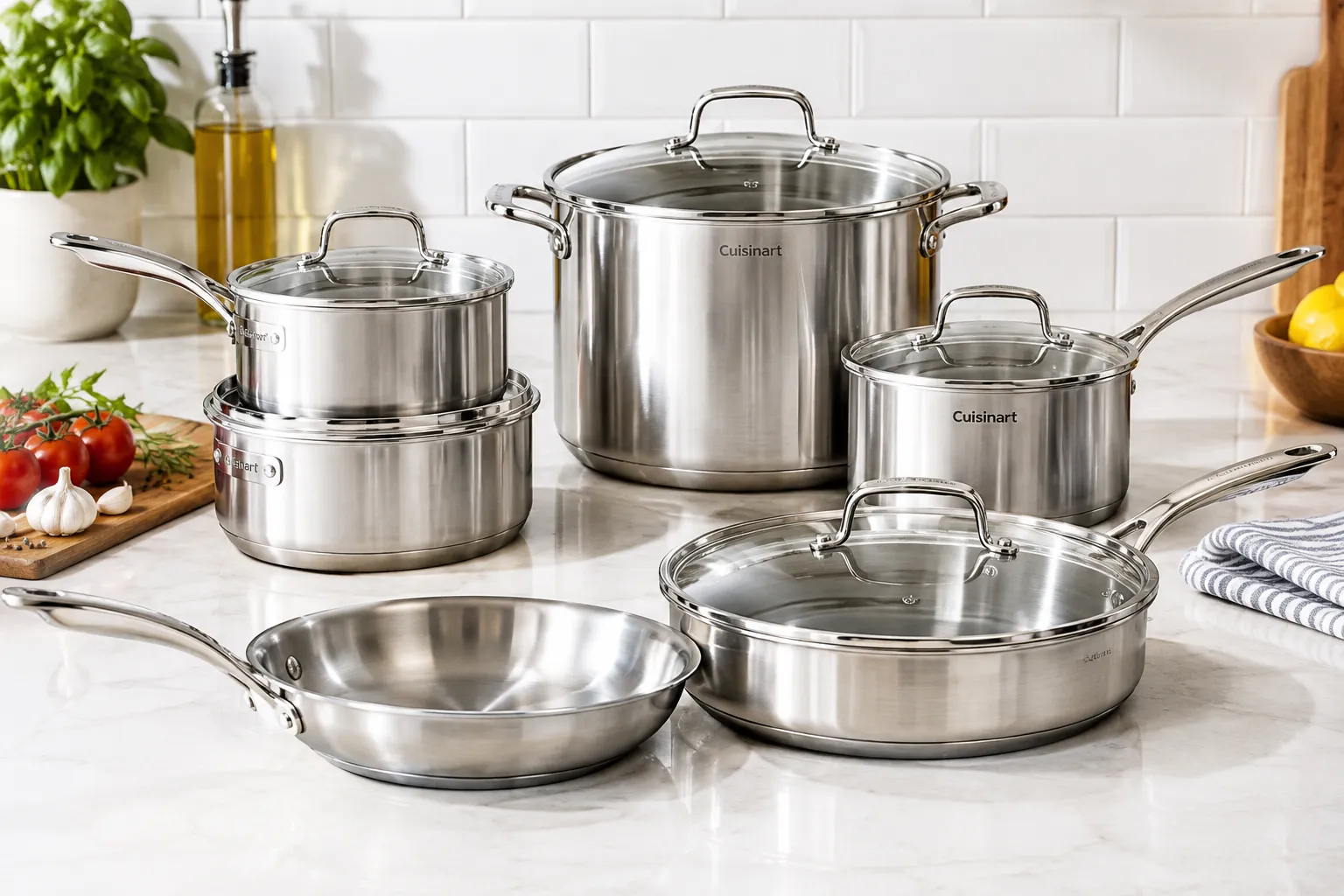
Many experienced cooks maintain both materials, using each for applications where it excels. Our overview of top stainless steel cookware brands provides alternatives for comparison.
Cast Iron vs. Enameled Cast Iron
Enameled cast iron (like Le Creuset or the Tramontina enameled cast iron skillet) offers cast iron’s heat retention with a glass coating:
Enameled Advantages:
- No seasoning required
- Non-reactive surface
- Easier cleaning
- Attractive colors
Traditional Cast Iron Advantages:
- Higher heat tolerance (no enamel to crack)
- Metal utensil safe
- Develops natural non-stick surface
- More affordable
- Completely restorable if damaged
The choice depends on cooking priorities and maintenance preferences.
Environmental and Economic Considerations
From a sustainability perspective, cast iron offers compelling advantages:
Longevity: A single Lodge skillet can replace dozens of non-stick pans over a lifetime
Recyclability: 100% recyclable iron with no synthetic coatings
Energy Efficiency: Heat retention reduces cooking time and energy consumption
Minimal Packaging: Simple, recyclable packaging compared to high-end alternatives
The economic calculation is equally favorable. A $30 Lodge skillet used for 50 years costs $0.60 per year, while replacing non-stick pans every 3 years at $40 each costs $13.33 annually, a 22x difference.
For environmentally conscious cooks, our guide to sustainable cookware for everyday use explores eco-friendly options across materials.
Building Your Lodge Collection: Strategic Purchasing
Creating a functional Lodge Cast Iron Cookware collection requires strategic selection based on cooking habits, household size, and budget considerations.
Essential First Pieces
For those starting their cast iron journey, these pieces provide maximum versatility:
- 10.25-inch Skillet: The most versatile size for 2-4 people
- 5-Quart Dutch Oven: Handles soups, stews, breads, and braises
- Griddle or Grill Pan: Expands cooking techniques
This foundation covers approximately 80% of typical cooking needs while remaining affordable and manageable.
Expanding Your Arsenal
As comfort with cast iron grows, these additions enhance capabilities:
12-inch Skillet: Larger surface area for bigger meals
Smaller 6-8 inch Skillet: Individual portions and side dishes
Specialty Pans: Cornbread, pizza, or wok based on preferences
Blacklock Pieces: Premium options for frequently used sizes
Taking Advantage of Sales and Bundles
Lodge regularly offers promotional opportunities. As of February 2026, the company is running 33% off cast iron pans during Presidents’ Day sales[1], representing significant savings.
Also, Lodge has released new cast iron cookware bundles available on their official website[2][4], often providing better value than individual purchases.
The company also offers free shipping on orders of $75 or more[2][4], making bundled purchases more economical.
New vs. Vintage Considerations
While new Lodge pieces offer consistency and warranty coverage, vintage cast iron presents alternative value:
New Lodge Advantages:
- Consistent quality control
- Pre-seasoned and ready to use
- Warranty coverage
- Supporting American manufacturing
Vintage Advantages:
- Smoother casting (pre-1960s production methods)
- Often available at lower prices
- Historical character and uniqueness
- Environmental reuse
Both options provide excellent performance when properly maintained.
Professional Perspectives: Why Chefs Choose Lodge
Professional kitchens face demanding conditions that quickly expose inferior cookware. The fact that Lodge cast iron pans and Dutch ovens receive the most praise from shoppers[1] reflects performance that meets professional standards.
Restaurant Kitchen Applications
Commercial kitchens value cast iron for specific applications:
High-Volume Searing: Heat retention maintains temperature despite continuous use
Oven-to-Table Service: Attractive presentation in casual dining
Outdoor Cooking: Durability for catering and event cooking
Specialty Preparations: Cornbread, cobblers, and signature dishes
Professional chefs appreciate that cast iron performs consistently regardless of heat source—gas, electric, induction, or open flame.
Culinary School Training
Many culinary programs include cast iron fundamentals in their curriculum, recognizing that understanding this traditional cookware provides insights into heat management, seasoning chemistry, and cooking techniques that translate across all cookware types.
Chef Testimonials and Techniques
Professional chefs often share specific cast iron techniques:
Temperature Management: Using visual cues (oil shimmer, water behavior) to judge heat
Fond Development: Maximizing flavor through proper browning
Pan Sauce Creation: Deglazing to capture concentrated flavors
Heat Carryover: Accounting for continued cooking after heat removal
These professional insights help home cooks achieve restaurant-quality results.
The Cultural Significance of Cast Iron Cooking
Beyond practical utility, Lodge Cast Iron Cookware carries deep cultural meaning in American and global cooking traditions.
Generational Connections
Few kitchen items create the emotional connections of inherited cast iron. The skillet used by a grandmother to make Sunday biscuits becomes a tangible link to family history, carrying memories and traditions forward through generations.
This emotional dimension transforms cookware into family artifacts, with seasoning layers representing decades of meals and gatherings. The practice of passing down cast iron creates continuity in an increasingly disposable culture.
Regional Cooking Identities
Cast iron features prominently in regional American cuisines:
Southern Cooking: Fried chicken, cornbread, and biscuits define the tradition
Southwestern: Fajitas, tortillas, and chili preparation
Midwest: Dutch oven pot roasts and casseroles
Appalachian: Traditional bread and preserving techniques
These regional associations give cast iron cultural significance beyond mere functionality.
The Slow Food Movement
Cast iron aligns perfectly with slow food principles:
- Durability over disposability
- Skill development rather than convenience shortcuts
- Traditional methods preserving culinary heritage
- Mindful cooking requiring attention and technique
This philosophical alignment makes cast iron popular among cooks seeking deeper engagement with food preparation.
Global Cast Iron Traditions
While Lodge represents American manufacturing, cast iron cooking spans cultures:
Asian Wok Cooking: Similar heat retention principles
European Braising: Traditional cocotte and casserole techniques
African Cooking: Three-legged pots over open flames
Latin American: Comal griddles for tortillas
This global presence demonstrates cast iron’s universal utility across cooking traditions.
Troubleshooting Common Cast Iron Challenges
Check Latest Deals Here
Even experienced cooks occasionally encounter issues with Lodge Cast Iron Cookware. Understanding solutions prevents frustration and abandonment of this excellent material.
Addressing Sticking Issues
When food sticks despite proper seasoning:
Immediate Solutions:
- Ensure adequate preheating before adding food
- Use sufficient cooking fat (more than non-stick requires)
- Don’t move food prematurely—allow crust to release naturally
- Reduce heat slightly (too-high temperature causes sticking)
Long-Term Solutions:
- Build up seasoning layers through regular use
- Perform stovetop seasoning after cleaning
- Avoid cooking highly acidic foods until seasoning is well-established
Rust Prevention and Removal
Rust develops when moisture contacts bare iron:
Prevention:
- Dry thoroughly after washing
- Apply thin oil coating after each use
- Store in dry location with good airflow
- Use paper towels between stacked pieces
Removal:
- Light rust: Scrub with steel wool and re-season
- Moderate rust: Soak in vinegar solution, scrub, and re-season
- Heavy rust: Complete restoration through electrolysis or lye bath
Rust doesn’t permanently damage cast iron—it simply requires cleaning and re-seasoning.
Uneven Seasoning Appearance
Blotchy or uneven seasoning is common and doesn’t affect performance:
Causes:
- Different foods depositing varying oils
- Uneven oil application during seasoning
- Hot spots from burner configuration
Solution: Continue using normally. Seasoning evens out over time through regular cooking. Purely cosmetic variations don’t impact cooking performance.
Heat Source Compatibility
Cast iron works on all heat sources but requires adjustment:
Gas: Provides even heating; preheat over medium-low
Electric Coil: May create hot spots; rotate pan during preheating
Glass Top: Works well but avoid sliding (scratches surface); see our guide to cookware for glass top stoves
Induction: Excellent performance with rapid heating
Understanding heat source characteristics ensures optimal results.
The Future of Lodge Cast Iron: Innovation and Tradition
As Lodge enters its 130th year, the company balances heritage preservation with modern innovation, ensuring relevance for new generations of cooks.
Recent Product Innovations
The introduction of the Blacklock premium line[2] demonstrates Lodge’s commitment to evolving while respecting tradition. This collection addresses weight concerns without sacrificing performance, appealing to cooks who appreciate cast iron but find traditional pieces challenging to handle.
The Dolly Parton collaboration[3] represents strategic brand expansion, bringing cast iron to audiences who might not otherwise consider traditional cookware. Celebrity partnerships introduce heritage products to new demographics while honoring shared cultural values.
The Lodge Museum Experience
The opening of The Lodge Museum of Cast Iron[2] in 2026 creates an immersive brand experience that educates visitors about cast iron’s history, science, and cultural significance. This investment in heritage storytelling strengthens customer connections beyond transactional relationships.
The museum serves multiple purposes:
- Educational: Teaching proper techniques and care
- Historical: Preserving American manufacturing heritage
- Cultural: Celebrating cooking traditions
- Commercial: Deepening brand loyalty and engagement
Sustainability Leadership
In an era of increasing environmental consciousness, Lodge’s century-plus commitment to durable, repairable products positions the brand as a sustainability leader. The company’s messaging increasingly emphasizes:
- Longevity: Products designed for generational use
- Domestic Manufacturing: Reduced transportation environmental impact
- Recyclability: 100% recyclable materials
- Minimal Waste: Durable products reducing landfill contributions
This sustainability positioning resonates with environmentally conscious consumers seeking alternatives to disposable cookware.
Digital Engagement and Community
Lodge’s digital strategy includes regular recipe releases (like the recent Cast Iron Philly Cheesesteak[2][4]), cooking tutorials, and community engagement through social media. This content marketing approach:
- Educates new users on proper techniques
- Inspires creative recipe applications
- Builds community among cast iron enthusiasts
- Supports product usage and satisfaction
The company’s sale page featuring fan-favorite discounts[2][4] demonstrates savvy e-commerce integration while maintaining brand accessibility.
Making the Investment: Cost-Benefit Analysis
Understanding the true value of Lodge Cast Iron Cookware requires looking beyond initial purchase price to lifetime cost and performance.
Initial Investment vs. Lifetime Value
A comprehensive Lodge collection might include:
- 10.25-inch skillet: $30
- 12-inch skillet: $40
- 5-quart Dutch oven: $60
- Griddle: $35
- Total: $165
This $165 investment, maintained properly, serves multiple generations. Compare this to replacing non-stick cookware every 3-5 years:
- Mid-range non-stick set: $150
- Replacement cycle: Every 4 years
- 50-year cost: $1,875
The cast iron investment saves $1,710 over 50 years while providing superior cooking performance.
Performance Value
Beyond economics, cast iron delivers performance advantages that enhance cooking results:
- Better searing creates more flavorful proteins
- Even baking produces superior baked goods
- Versatility reduces need for specialized cookware
- Oven safety enables techniques impossible with other materials
These performance benefits translate to better meals, expanded cooking capabilities, and increased culinary confidence.
Emotional and Cultural Value
The intangible value of heirloom cookware defies pure economic calculation:
- Family connections through shared cooking tools
- Skill development through mastering traditional techniques
- Satisfaction from using quality, repairable products
- Heritage participation in cooking traditions
These emotional dimensions add value beyond financial metrics.
Accessibility and Affordability
Lodge’s commitment to affordability makes quality cast iron accessible to cooks at all economic levels. Unlike luxury cookware brands commanding hundreds of dollars per piece, Lodge maintains reasonable pricing while delivering exceptional performance.
This accessibility democratizes quality cooking tools, ensuring that budget constraints don’t prevent access to excellent cookware. For those seeking affordable cookware sets under $100, Lodge provides exceptional value.
Getting Started: Your Cast Iron Journey
For those ready to embrace Lodge Cast Iron Cookware, a structured approach ensures success and builds confidence.
Week One: The Basics
Day 1-2: Purchase your first piece (10.25-inch skillet recommended)
Day 3-4: Practice preheating and simple cooking (eggs, grilled cheese)
Day 5-6: Attempt searing (chicken thighs, pork chops)
Day 7: Clean, maintain, and assess progress
This gradual introduction builds familiarity without overwhelming new users.
Month One: Building Skills
Focus on mastering fundamental techniques:
- Temperature control: Learning visual cues for proper heat
- Seasoning maintenance: Establishing cleaning and oiling routines
- Recipe exploration: Trying diverse applications
- Troubleshooting: Addressing sticking or uneven heating
By month’s end, basic competence should develop, making cast iron feel natural rather than intimidating.
Year One: Expanding Capabilities
As confidence grows, expand both collection and techniques:
- Add complementary pieces: Dutch oven, griddle, or second skillet
- Master advanced techniques: Bread baking, deep frying, outdoor cooking
- Develop signature dishes: Recipes that showcase cast iron’s strengths
- Share knowledge: Teaching others builds personal expertise
Lifetime: Mastery and Heritage
Long-term cast iron use develops into genuine mastery:
- Intuitive heat management without thermometers
- Perfectly seasoned surfaces requiring minimal maintenance
- Creative applications beyond standard recipes
- Heritage creation building cookware to pass forward
This journey from beginner to expert mirrors traditional apprenticeship models, creating deep satisfaction through skill development.
Conclusion: Why Lodge Cast Iron Cookware Deserves a Place in Every Kitchen
After examining the history, science, techniques, and cultural significance of Lodge Cast Iron Cookware, the conclusion becomes clear: this isn’t merely cookware, it’s a culinary investment that pays dividends across generations.
Lodge’s 125+ year commitment to American manufacturing, quality materials, and accessible pricing has created products that democratize excellent cooking. Whether preparing weeknight dinners or holiday feasts, cast iron delivers performance that enhances results while building skills and confidence.
The environmental sustainability of products designed for generational use stands in stark contrast to disposable alternatives. In an era of increasing waste consciousness, choosing durable, repairable cookware represents a meaningful environmental decision.
Beyond practical considerations, cast iron connects cooks to culinary heritage spanning cultures and centuries. The emotional resonance of cooking with grandmother’s skillet or building seasoning layers through family meals creates meaning beyond mere functionality.
Your Next Steps
Ready to begin your cast iron journey? Here’s how to start:
- Visit Lodge’s website to explore current collections and take advantage of promotional bundles[2][4]
- Start with one versatile piece—a 10.25-inch skillet provides maximum flexibility
- Review our cast iron seasoning guide for maintenance fundamentals
- Choose one simple recipe to build confidence before advancing to complex techniques
- Join online communities where experienced cast iron users share tips and encouragement
- Be patient with yourself—mastery develops through practice, not perfection
The journey with Lodge Cast Iron Cookware represents more than acquiring kitchen tools. It’s an invitation to participate in cooking traditions, develop meaningful skills, and create heirlooms that connect past and future generations through the simple, profound act of preparing food.
Whether you’re drawn by superior cooking performance, environmental sustainability, economic value, or cultural heritage, Lodge cast iron delivers on every dimension.
The investment you make today becomes the legacy you pass forward tomorrow—seasoned not just with oil, but with memories, traditions, and countless delicious meals shared with those you love.
Start your cast iron journey today, and discover why millions of cooks across more than a century have trusted Lodge to deliver the cookware that transforms houses into homes, one perfectly seared steak, golden cornbread, and slow-braised Sunday dinner at a time. 🍳
Check Latest Deals Here
References
[1] American Owned Brands On Sale For Presidents Day L L Bean Lodge Craftsman And More – https://www.wfmd.com/2026/02/11/american-owned-brands-on-sale-for-presidents-day-l-l-bean-lodge-craftsman-and-more/
[2] Lodge News – https://www.lodgecastiron.com/blogs/story/tagged/lodge-news
[3] Dolly Parton Lodge Iconic Cast Iron Skillet 112914628 – https://www.goodmorningamerica.com/news/story/dolly-parton-lodge-iconic-cast-iron-skillet-112914628
[4] News – https://www.lodgecastiron.com/blogs/news

4 responses to “Lodge Cast Iron Cookware: Complete Product Collections 2026”
[…] material for most lasagna baking situations, but ceramic, glass, stainless steel, and cast iron each have specific advantages depending on cooking style and […]
[…] Lodge has been manufacturing cast iron cookware in South Pittsburg, Tennessee, since 1896. The brand offers both traditional seasoned cast iron Dutch ovens and enameled versions. […]
[…] choice at $65-$80 for 4-6 quart models, offering exceptional durability without premium pricing. Lodge has manufactured cast iron cookware in the USA since 1896, and their camping dutch ovens arrive pre-seasoned and ready for immediate […]
[…] set in a 400-square-foot studio where every inch of cabinet space counted, the ability to store a complete cookware collection in one drawer was genuinely […]