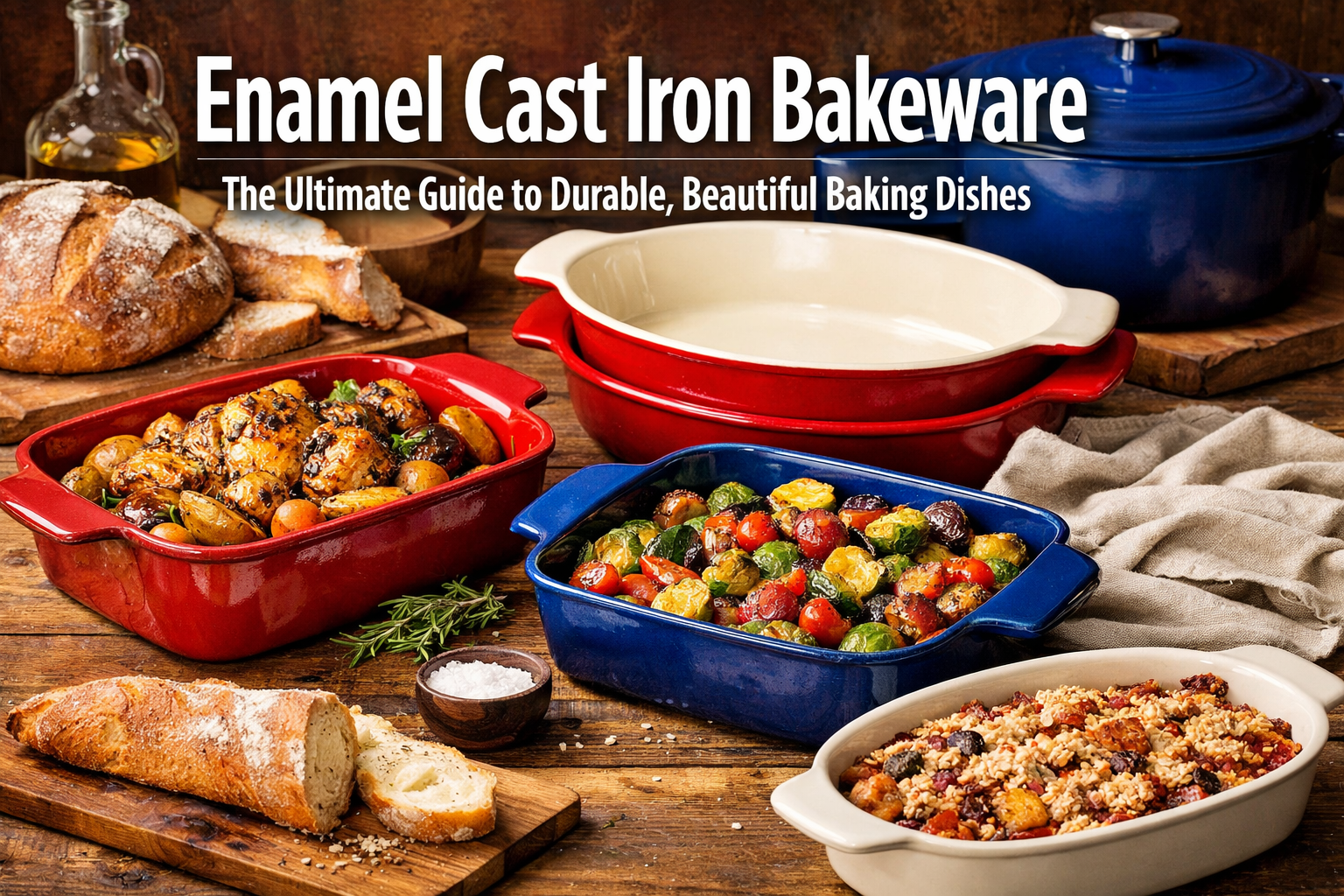
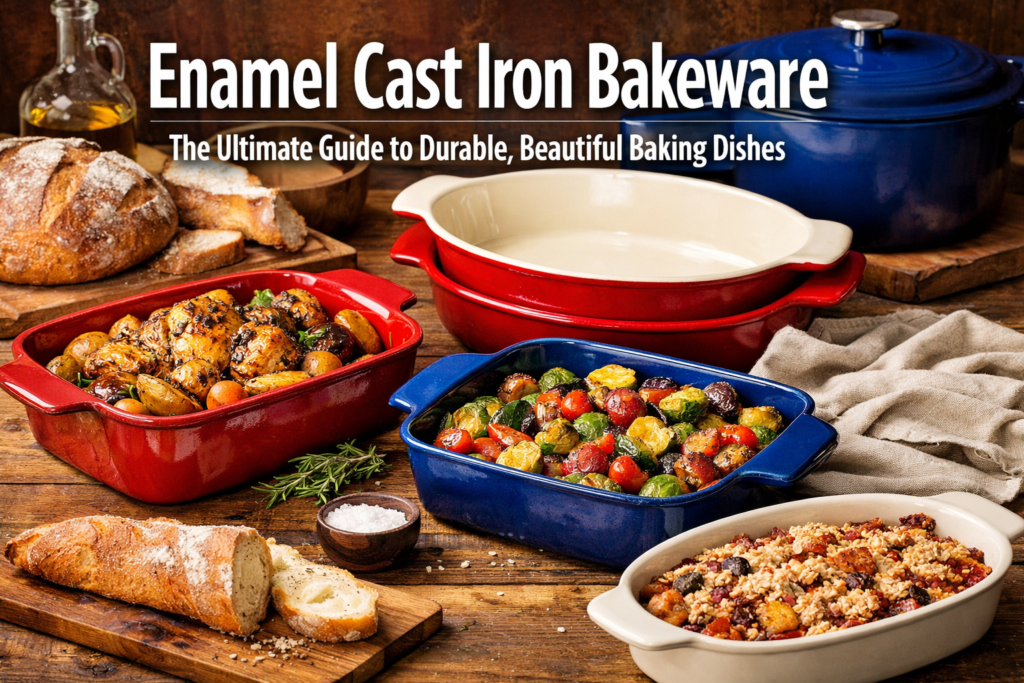
Enamel Cast Iron Bakeware
Last updated: March 17, 2026
Quick Answer: Enamel Cast Iron Bakeware combines the superior heat retention of cast iron with a non-reactive, easy-clean enamel coating, making it one of the most durable and versatile options for home bakers.
These pieces are oven-safe at high temperatures, free from seasoning requirements, and built to last decades.
The main trade-off is weight and price, but for serious bakers, the investment pays off.
Key Takeaways
- Enamel Cast Iron Bakeware heats slowly and evenly, reducing hot spots that cause uneven browning
- The enamel coating eliminates the need for seasoning and makes cleanup far easier than bare cast iron
- Most quality pieces are oven-safe to at least 450°F, with some rated higher
- Weight is a real consideration, a large enamel cast iron roasting dish can exceed 10 pounds
- Premium pieces (like Le Creuset) start around $160 and up; budget options exist but vary significantly in enamel durability
- Enamel cast iron works on all stovetop types, including induction, and transitions directly from oven to table
- Chipping is the primary failure mode, avoid metal utensils and sudden temperature changes
- For new bakers building a kitchen kit, one quality enamel cast iron piece often replaces multiple single-use pans
Why Enamel Cast Iron Bakeware Deserves a Place in Your Kitchen
Enamel Cast Iron Bakeware is worth considering if you want baking dishes that perform consistently, look good on the table, and hold up for years without special maintenance.
Unlike bare cast iron, the enamel coating means you can bake acidic foods like tomato-based dishes or fruit cobblers without any metallic taste or reactivity concerns.
The core appeal is heat management. Cast iron absorbs heat slowly but holds it exceptionally well, which translates to evenly baked casseroles, crusty bread, and roasted dishes with better browning on the bottom and sides.
Once the pan is hot, it stays hot, a meaningful advantage over thin aluminum or glass bakeware.
If you’re building out a kitchen from scratch, resources like this bakeware essentials guide for new bakers can help you prioritize which pieces to buy first. Enamel cast iron typically earns a spot near the top of that list for its sheer versatility.
Quick Comparison Table
| Product | Price | Enamel Coating | Oven-Safe Temp | Best For |
|---|---|---|---|---|
| Premium Enamel Cast Iron (e.g., Le Creuset tier) | ~$160 | Multi-layer, chip-resistant | 500°F+ | Serious bakers, long-term investment |
| Mid-Range Enamel Cast Iron Bakeware | Varies | Standard enamel | 400–450°F | Everyday home baking, gifting |
| Entry-Level / Budget Enamel Cast Iron | Under $60 (est.) | Thinner coating | 350–400°F | Occasional use, tight budgets |
Note: Pricing for Products 2 and 3 in this guide were not specified by the manufacturer at time of publication. The table above reflects general market tiers for context.
Product Reviews
1. Premium Enamel Cast Iron Bakeware (~$160 Price Point)
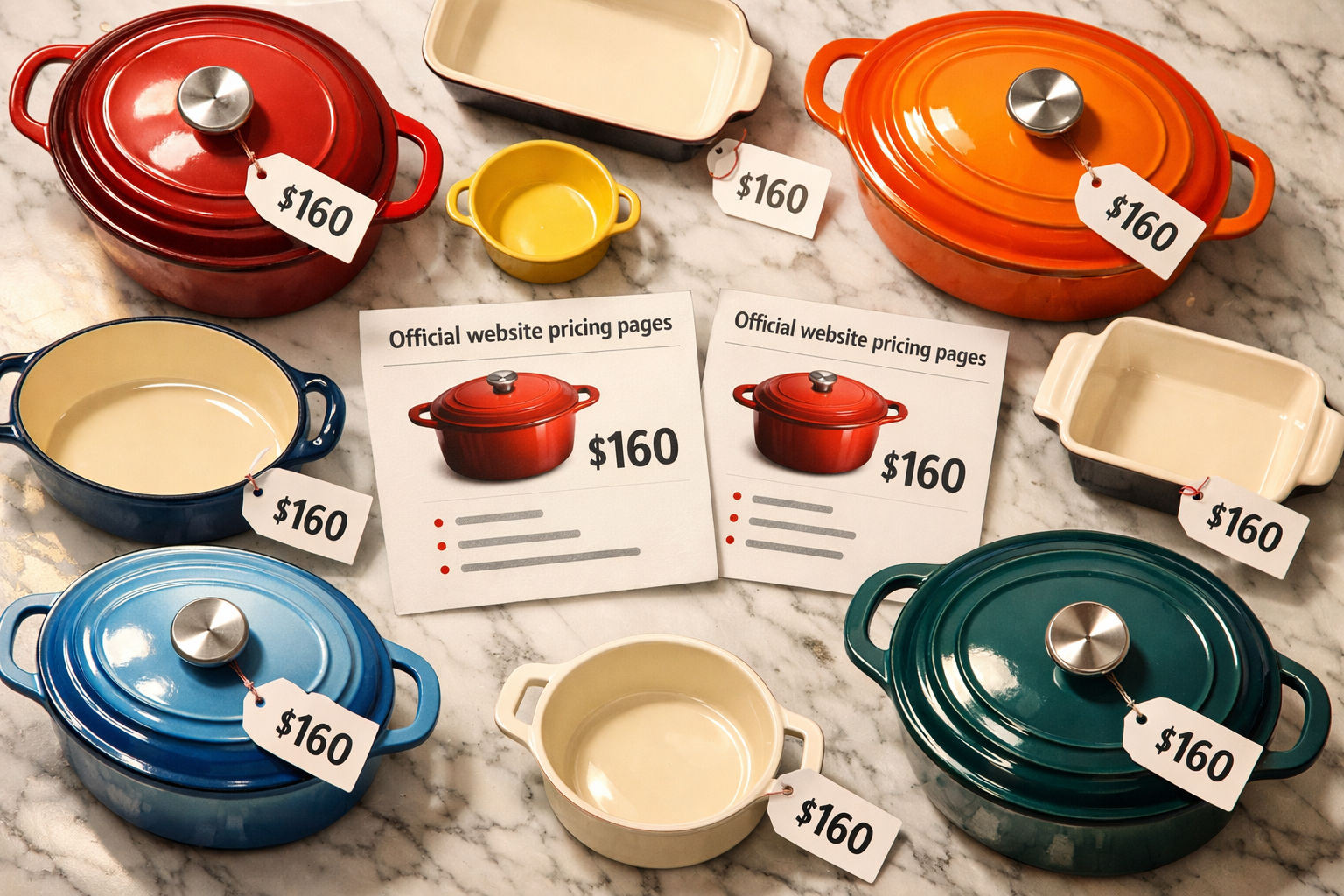
At the $160 price point, you’re looking at the upper tier of enamel cast iron bakeware, pieces that compete directly with Le Creuset, Staub, and similar heritage brands.
These aren’t impulse purchases, but they’re also not overpriced when you factor in the lifespan. A well-maintained piece at this tier can last 20 to 30 years or longer.
Key Features:
- Heavy-gauge cast iron core for superior, even heat distribution
- Multi-layer enamel coating, typically sand-cast and hand-inspected
- Oven-safe to 500°F or higher
- Compatible with all cooktop types including induction
- Available in a wide range of colors and sizes (from individual gratin dishes to large roasters)
- Dishwasher-safe in most cases, though hand-washing extends enamel life
✅ Pros:
- Exceptional heat retention and even baking results
- Enamel is thick enough to resist chipping under normal use
- No seasoning required — ready to use out of the box
- Doubles as attractive serving ware
- Lifetime warranties offered by top brands in this tier
- Non-reactive surface safe for all food types including acidic dishes
❌ Cons:
- Significant upfront cost — $160 is a real commitment
- Heavy: most pieces in this tier weigh 8–12+ pounds
- Enamel can chip if dropped or subjected to thermal shock
- Requires careful storage (avoid stacking without padding)
Who It’s Best For: Home bakers who cook frequently and want one piece that handles everything from bread baking to lasagna to fruit crisps. Also ideal as a long-term gift.
If you’re comparing this against other high-end options, the beginners guide to durable cookware offers useful context on when premium materials justify the cost.
2. Mid-Range Enamel Cast Iron Bakeware
Check Latest Prices and Availabilty on Amazon
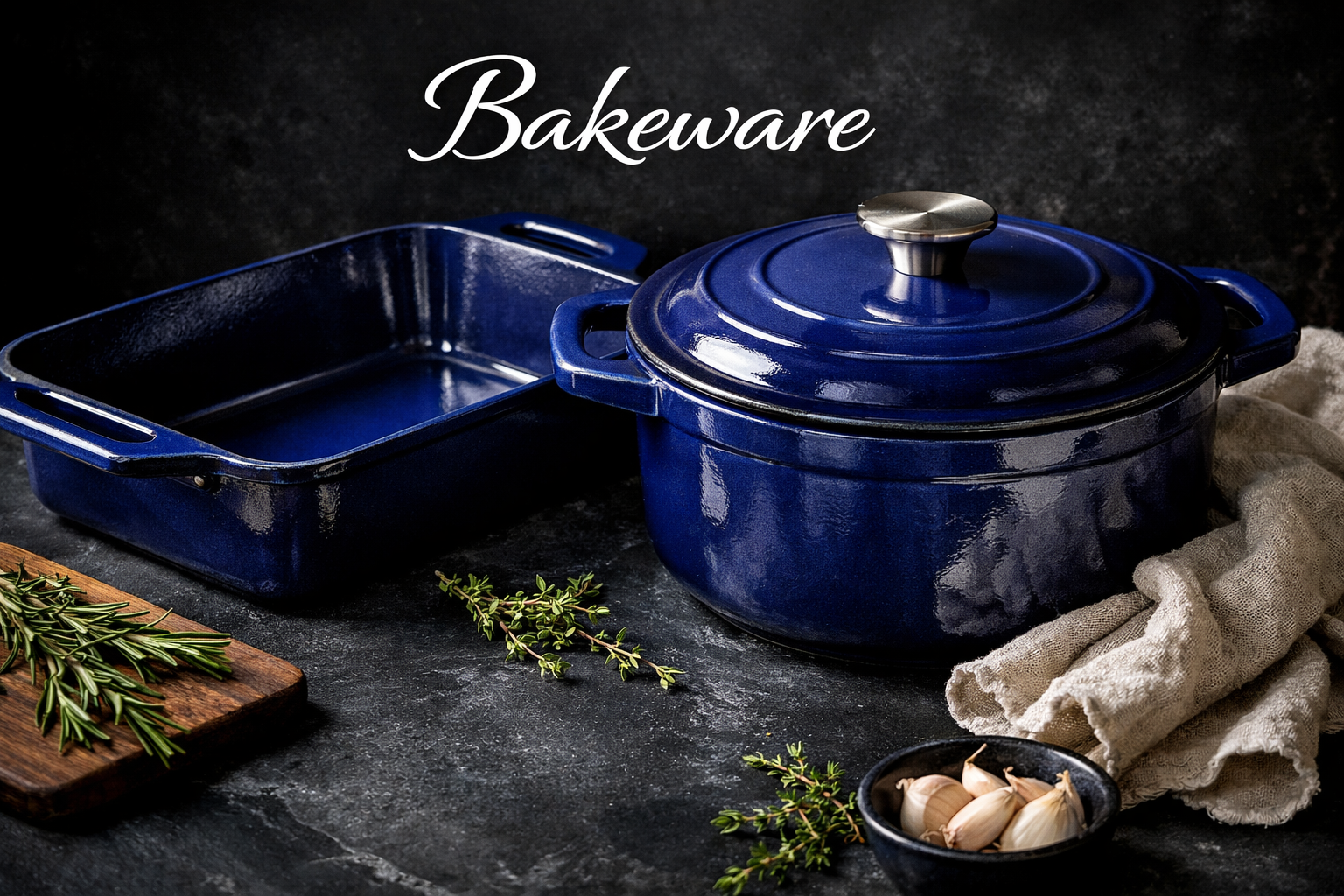
Mid-range Enamel Cast Iron Bakeware fills the gap between budget options and premium brands. Price was not specified for this category at time of publication, but market estimates typically place these pieces between $60 and $120.
Quality varies more at this tier, so knowing what to look for matters.
Key Features:
- Cast iron construction with standard enamel coating
- Oven-safe typically to 400–450°F
- Available in common shapes: rectangular bakers, oval casseroles, round dishes
- Usually compatible with induction cooktops
- Color selection is narrower than premium brands
✅ Pros:
- More accessible price point without sacrificing core cast iron benefits
- Good heat retention for everyday baking tasks
- Non-reactive enamel surface
- Decent weight-to-size ratio for handling
- Works well for casseroles, baked pasta, roasted vegetables
❌ Cons:
- Enamel coating is thinner and more prone to chipping over time
- Heat distribution may be slightly less even than premium-tier pieces
- Warranty coverage is typically shorter or more limited
- Color and finish may fade faster with frequent dishwasher use
Who It’s Best For: Home cooks who bake a few times a week and want the cast iron advantage without the premium price tag. If budget is a concern across your whole kitchen setup, the affordable cookware sets under $100 guide is worth reading alongside this one.
3. Entry-Level Enamel Cast Iron Bakeware
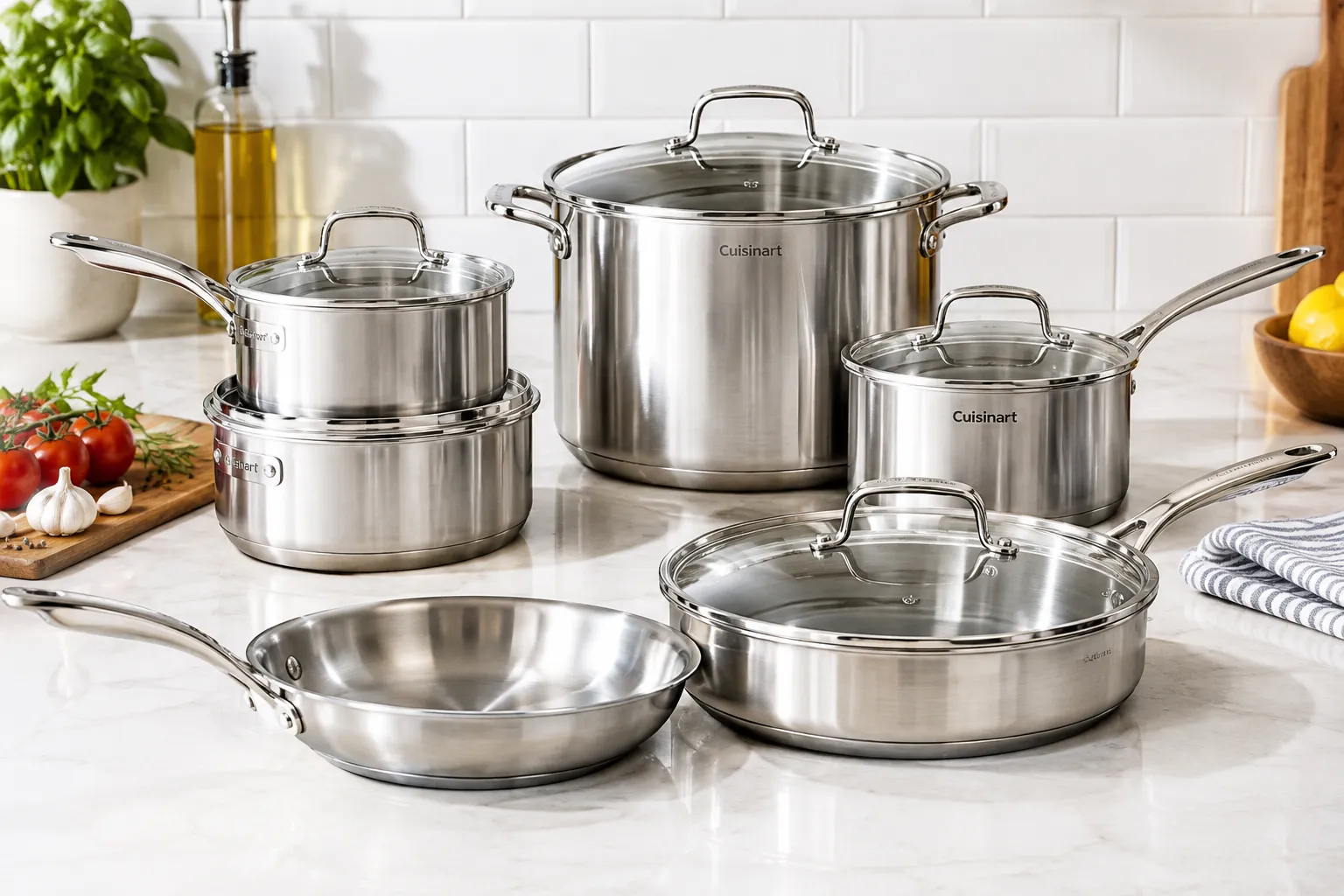
Pricing details were not available for this tier at time of publication. Entry-level enamel cast iron typically falls under $60 and is widely available from brands like Cuisinart, Lodge (select lines), and various import brands.
Key Features:
- Basic cast iron core with a single or dual-layer enamel coating
- Oven-safe ratings generally in the 350–400°F range
- Limited color options, often black or neutral tones
- Heavier relative to size compared to premium options due to less refined casting
✅ Pros:
- Most affordable way to get cast iron baking performance
- Still offers better heat retention than glass or ceramic at similar prices
- Non-reactive surface for everyday cooking
- Widely available at major retailers
❌ Cons:
- Enamel durability is the weakest of the three tiers
- Chipping and cracking more likely within 2–5 years of regular use
- Less precise casting can result in uneven bottoms
- Limited warranty, if any
- Heavier and bulkier than the performance justifies for casual bakers
Who It’s Best For: Occasional bakers who want to try cast iron bakeware before committing to a higher-priced piece. Also suitable for rental kitchens or situations where the bakeware might not be used long-term.
For those exploring the full range of budget-friendly options, budget-friendly baking pans covers additional alternatives worth considering.
What to Look for When Buying Enamel Cast Iron Bakeware
The most important factors are enamel thickness, casting quality, and size. Everything else — color, brand name, handle design — matters less than these three.
Enamel Thickness and Quality
Look for multi-layer enamel described as “sand-cast” or “hand-finished.” Thicker enamel resists chipping and staining. Matte interior enamel (common in Staub) tends to be more durable than glossy white interiors (common in Le Creuset), though both perform well with proper care.
Size and Shape
Choose based on what you actually bake most often:
- Rectangular bakers (9×13 equivalent): casseroles, lasagna, sheet-style cakes
- Oval casseroles: roasts, whole chicken, braised dishes
- Round dishes: cobblers, gratins, individual portions
Weight
A 3.5-quart enamel cast iron baker can weigh 7–9 pounds empty. Add food and liquid, and you’re lifting 12–15 pounds in and out of a hot oven. If mobility is a concern, consider a smaller piece or look at lightweight baking sheets as a complement rather than a replacement.
Oven-Safe Temperature
Most home baking happens below 450°F, so a 450°F rating is sufficient for the majority of recipes. If you bake bread at high heat (475–500°F), confirm the rating before buying.
Stovetop Compatibility
Most enamel cast iron works on gas, electric, and induction. Confirm induction compatibility if relevant — look for a flat, uncoated bottom.
Care Requirements
Avoid thermal shock (don’t move a cold dish into a screaming-hot oven or plunge a hot dish into cold water). Use silicone, wood, or nylon utensils to protect the enamel. Hand-washing is always safer than the dishwasher, even for pieces labeled dishwasher-safe.
Frequently Asked Questions
Is enamel cast iron bakeware non-toxic?
Yes. The enamel coating is made from glass fused to the iron surface, making it non-reactive and free from PTFE, PFOA, and other synthetic coatings. It’s one of the safest bakeware materials available. For more on this topic, see healthy non-toxic bakeware.
Can enamel cast iron go from freezer to oven?
No — this is one of the most common mistakes. Moving enamel cast iron directly from freezer to oven causes thermal shock, which can crack the enamel or the iron itself. Always allow the piece to come to room temperature first.
How do I clean stained enamel cast iron?
Fill the dish with warm water and a small amount of dish soap, then let it soak for 15–20 minutes. For stubborn stains, a paste of baking soda and water applied with a soft cloth usually works without scratching the enamel. Avoid steel wool or abrasive scrubbers.
Does enamel cast iron need to be seasoned?
No. The enamel coating eliminates the need for seasoning, which is one of its main advantages over bare cast iron. You can use it straight out of the box.
How long does enamel cast iron bakeware last?
With proper care, premium enamel cast iron lasts decades. Le Creuset and Staub pieces from the 1970s and 1980s are still in active use in many kitchens. Budget-tier pieces typically last 5–10 years before the enamel shows significant wear.
Can I use enamel cast iron on a glass-top stove?
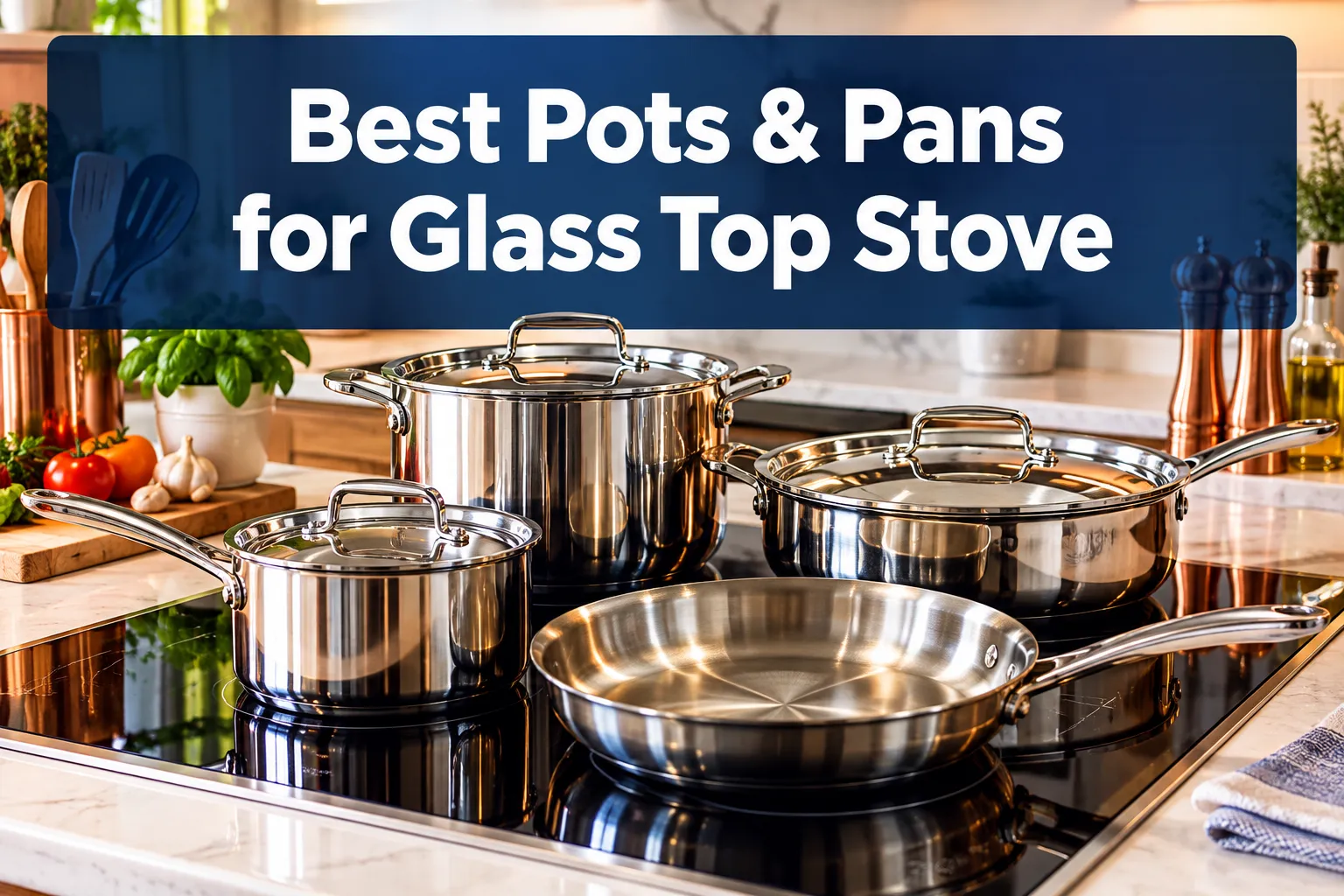
Yes, but with care. The weight and rough bottom of some cast iron pieces can scratch glass cooktops. Set the piece down gently and avoid sliding it across the surface. For more on glass-top compatibility, see best cookware for glass top stoves.
What’s the difference between enamel cast iron and ceramic bakeware?
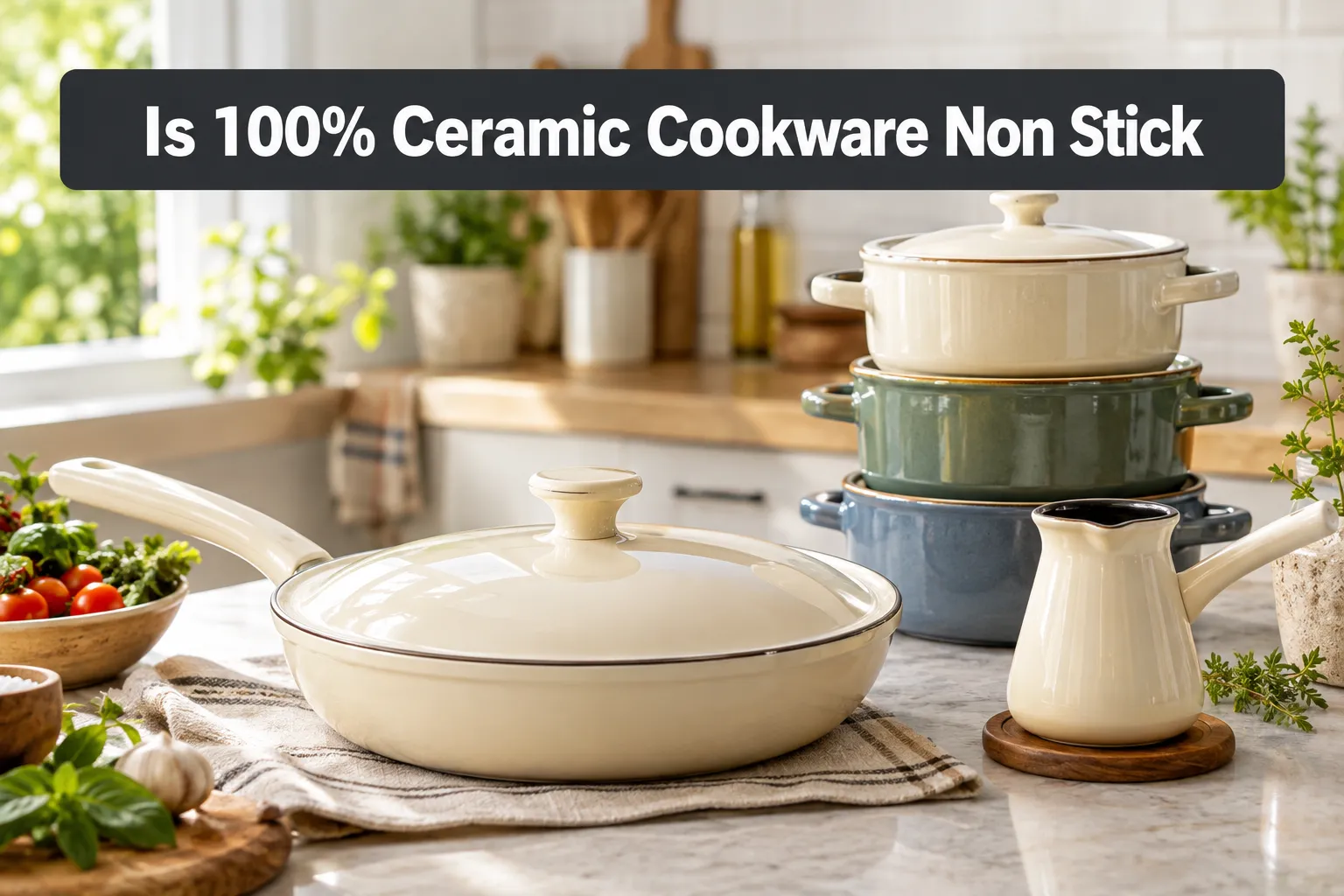
Ceramic bakeware is lighter and typically less expensive, but it doesn’t retain heat as well and is more prone to cracking under stress. Enamel cast iron outperforms ceramic in heat retention and durability, but ceramic wins on weight and price. See ceramic cookware pros and cons for a deeper comparison.
Final Verdict
Enamel Cast Iron Bakeware is one of the few kitchen investments that genuinely improves with age, as long as you choose the right tier for your needs and treat it accordingly.
Choose the premium tier (~$160+) if you bake regularly, want a piece that will outlast everything else in your kitchen, and value consistent results. The upfront cost is real, but the per-use cost over a decade is negligible.
Choose the mid-range tier if you bake a few times a month and want cast iron performance without the premium price. Pay close attention to enamel thickness claims and warranty terms.
Choose the entry-level tier if you’re testing cast iron bakeware for the first time or have a tight budget. Go in knowing the enamel won’t last as long, and treat it gently to extend its life.
Whatever tier you choose, enamel cast iron bakeware will outperform thin aluminum or glass in heat retention and longevity. For most home bakers, one quality piece is more useful than a cabinet full of single-purpose pans.
Check Latest Prices and Availabilty on Amazon
Related Reading
- Bakeware Essentials for New Bakers
- Affordable Baking Tools to Try
- Healthy Non-Toxic Bakeware
- Budget-Friendly Baking Pans

One response to “Best Enamel Cast Iron Bakeware: Ultimate Guide to Durable Beautiful Baking Dishes”
[…] ✅ The safest eco-friendly materials include ceramic, cast iron, stainless steel, carbon steel, and enameled cast iron. […]