What is the Best Cookware Set to Buy
Last updated: May 07, 2026
Quick Answer: What is the Best Cookware Set to Buy? depends on your cooking style, stovetop type, and budget.
For most home cooks, a stainless steel clad set (such as All-Clad D3 or a quality alternative) offers the best long-term value.
If easy cleanup matters most, a ceramic nonstick set is the top choice.
Cast iron suits those who want lifetime durability and don’t mind the maintenance.
Key Takeaways
- No single set is best for everyone — material, stovetop compatibility, and budget all shape the right choice.
- Stainless steel clad sets are the most versatile and durable option for serious home cooks.
- Ceramic nonstick is the safest nonstick option for health-conscious buyers and easy cleanup.
- Cast iron and carbon steel reward patience and proper care with decades of use.
- Always check stovetop compatibility before buying, especially for induction cooktops.
- A 10–12 piece set is usually enough for most households; bigger isn’t always better.
- Budget sets under $100 can perform well for beginners; expect to spend $200–$500 for mid-range quality.
- Avoid sets with thin bases, plastic handles that aren’t oven-safe, or vague coating descriptions.
Check Best Price and Deals on Amazon —>
What is the Best Cookware Set to Buy? Understanding Your Options
The best cookware set to buy is the one that matches how you actually cook, not the most expensive one on the shelf. Before comparing brands, it helps to understand the main material categories, because each one performs differently.
Here’s a quick breakdown:
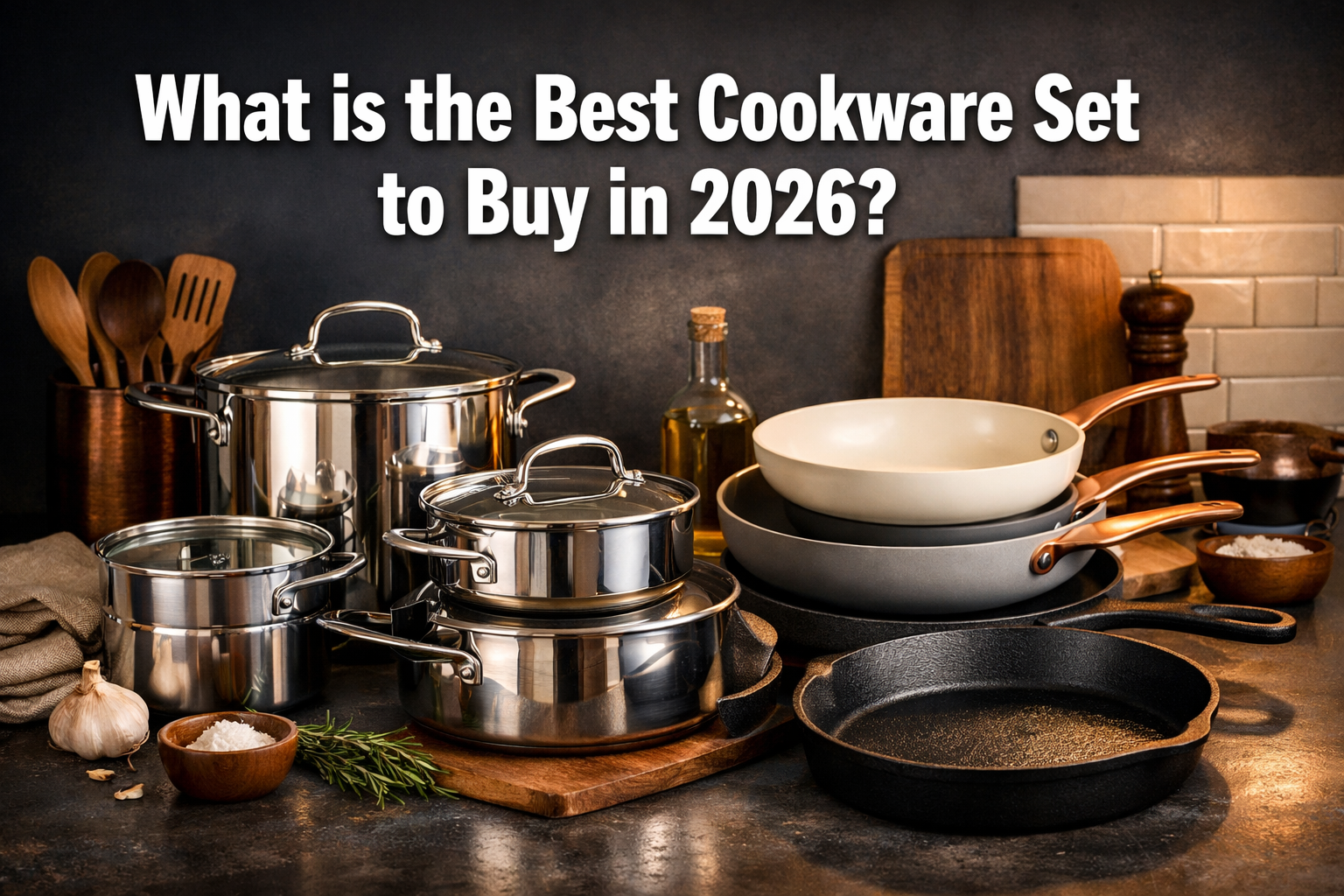
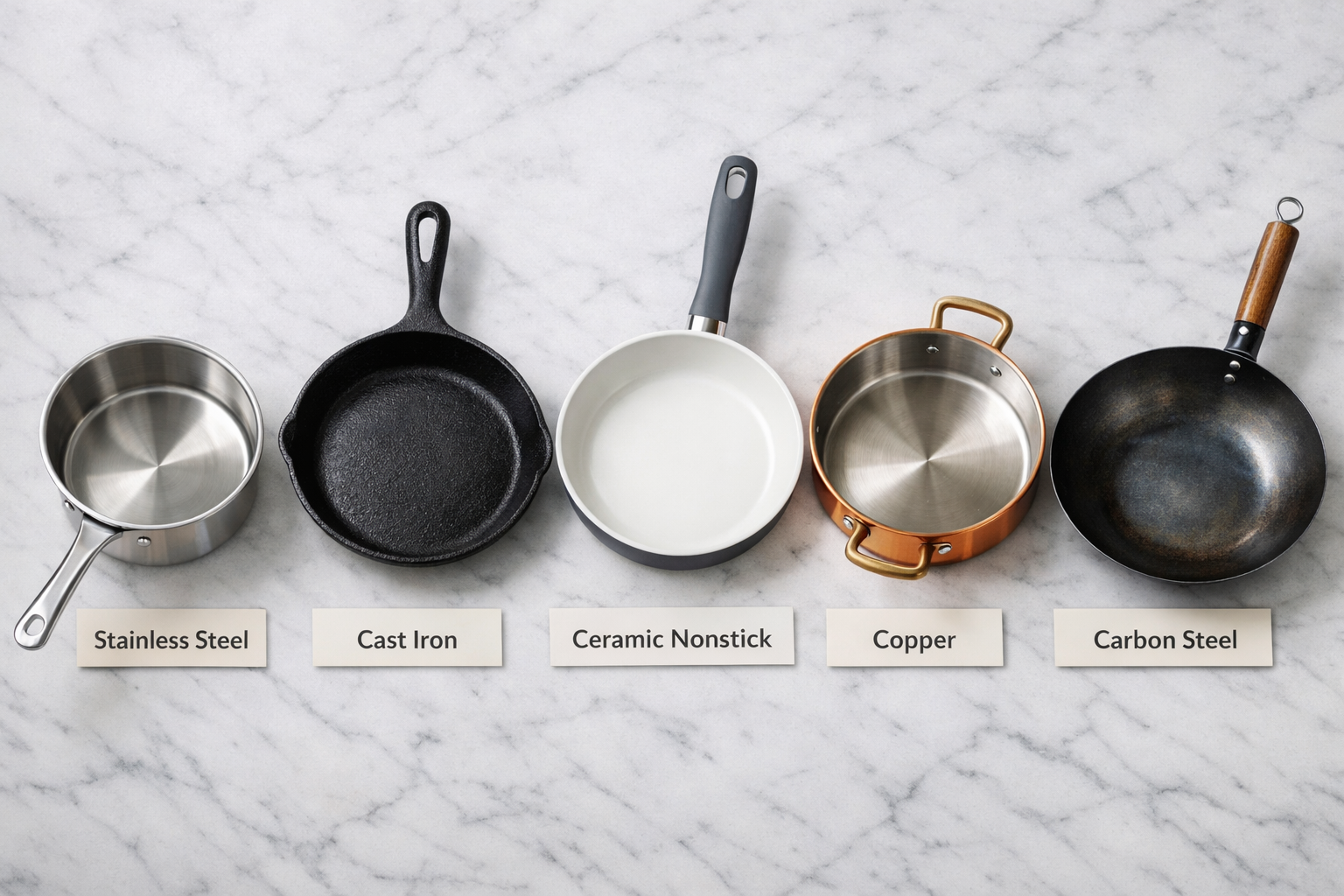
| Material | Best For | Durability | Price Range | Maintenance |
|---|---|---|---|---|
| Stainless Steel (clad) | Versatile everyday cooking | Excellent | $150–$600+ | Low |
| Ceramic Nonstick | Easy cleanup, healthy cooking | Moderate | $80–$300 | Low |
| Cast Iron | Searing, slow cooking, oven use | Lifetime | $50–$200 | Medium-High |
| Carbon Steel | High-heat searing, wok cooking | Excellent | $100–$300 | Medium |
| Copper | Precise heat control | Good | $300–$800+ | High |
| Hard-Anodized Aluminum | Budget-friendly durability | Good | $80–$250 | Low |
Choose stainless steel if you want one set that handles everything from sautéing to braising and works on all stovetop types.
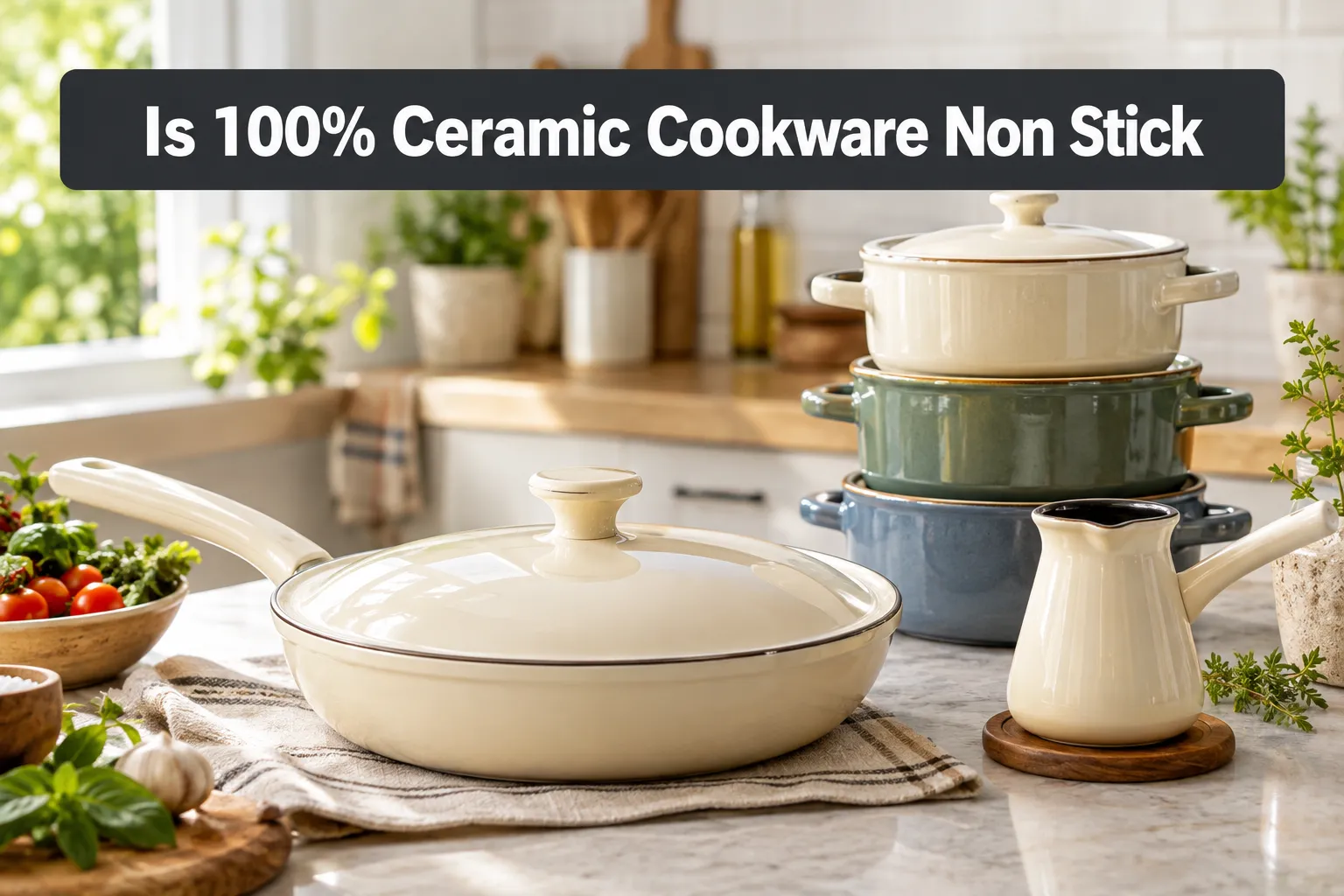
Choose ceramic nonstick if you cook eggs, fish, or delicate foods daily and want a PFAS-free surface. For a deeper look at health-safe options, see our guide to non-toxic cookware sets for healthy cooking.
Choose cast iron if you love slow-cooked meals, want something that lasts generations, and don’t mind seasoning and hand-washing.
What Considerations Are Most Important When Selecting Cookware?
The right cookware set comes down to five practical factors. Skipping any one of them is where most buyers go wrong.
- Stovetop compatibility — Induction cooktops require magnetic-bottomed cookware. Gas and electric work with almost everything. Check before you buy. Our guide to induction cookware essentials covers this in detail.
- Heat distribution — Fully clad (multi-layer) stainless steel distributes heat more evenly than disc-bottom pans. Copper offers the most precise control.
- Oven safety — Many sets are oven-safe, but handle materials limit the temperature. Look for stainless steel handles rated to at least 500°F if you move pans from stovetop to oven regularly. See our oven-safe cookware guide for specifics.
- Weight — Cast iron is heavy. If you have wrist or joint issues, ceramic nonstick or hard-anodized aluminum is much easier to handle.
- Cleaning requirements — Some sets are dishwasher-safe; others require hand-washing only. Nonstick coatings degrade faster in the dishwasher even when labeled “dishwasher-safe.”
“The most common mistake buyers make is choosing a set based on piece count rather than piece quality. Eight excellent pans beat twelve mediocre ones every time.”
For a full breakdown of what to evaluate before purchasing, visit our article on what considerations are important when selecting cookware.
What is the Best Cookware Set to Buy on a Budget?
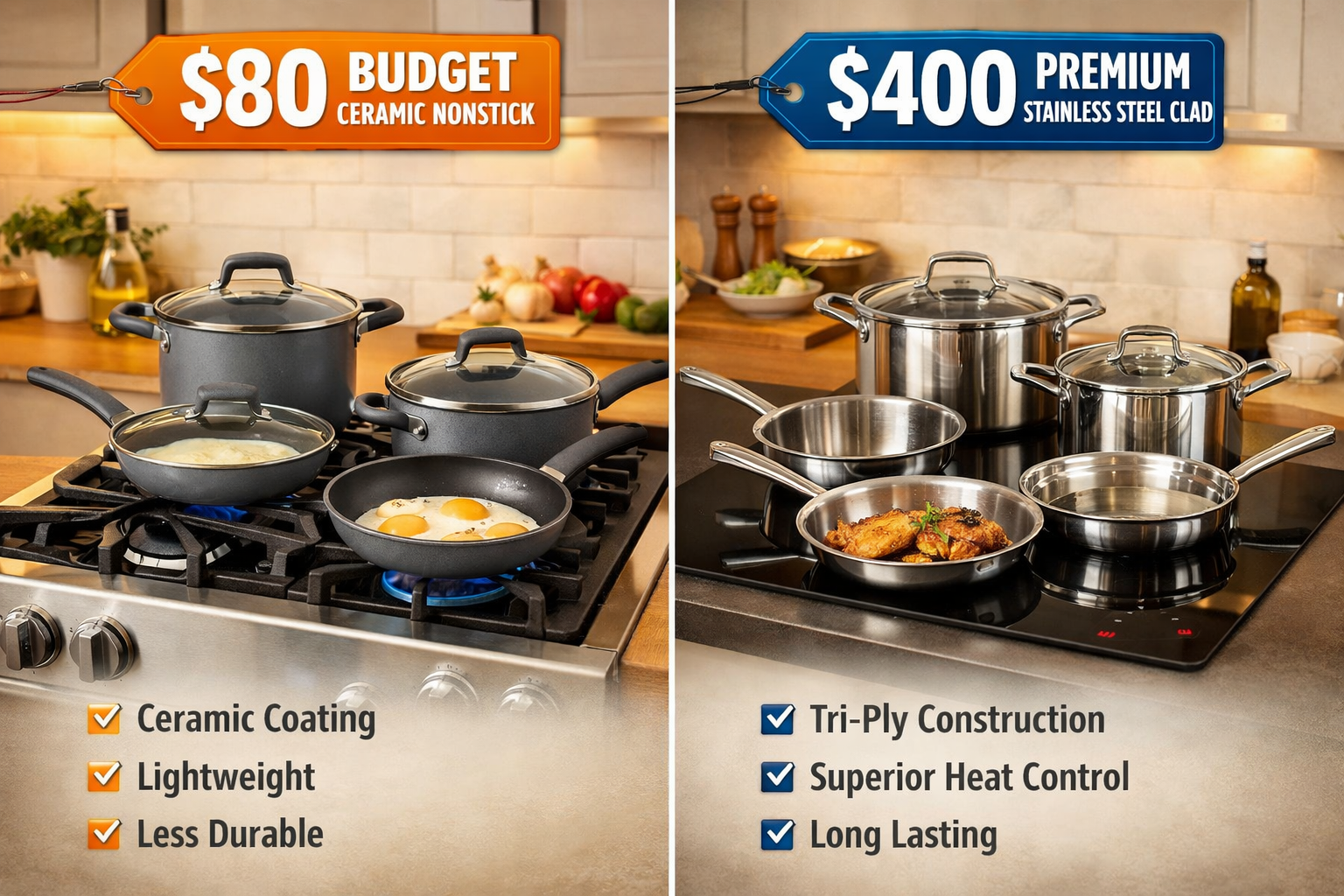
You don’t need to spend $400 to get a capable cookware set. Several sets in the $80–$150 range perform well for everyday cooking.
Best budget picks by category:
- Under $100: Look for hard-anodized aluminum sets or ceramic nonstick options from brands like Carote or T-fal. The T-fal stainless steel 11-piece set is a strong value pick for beginners.
- $100–$200: This range opens up better ceramic nonstick sets and entry-level stainless steel. The Goldilocks cookware set sits in this range and punches above its price.
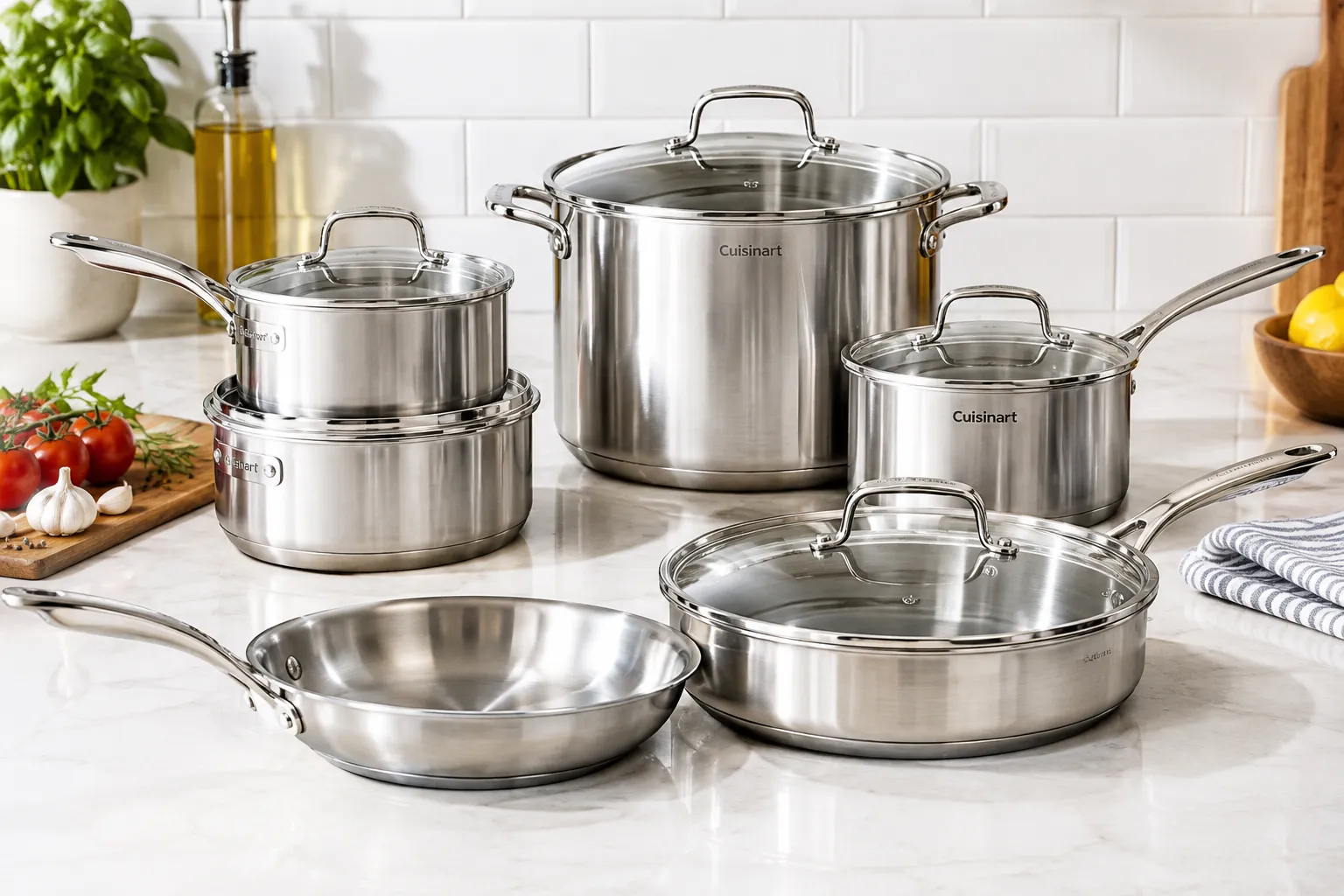
- $200–$400: Mid-range fully clad stainless steel sets from Cuisinart or Merten & Storck offer near-professional performance. Our Cuisinart stainless steel review goes into detail on whether it’s worth the investment.
Common mistake: Buying the largest set available at a low price. A 15-piece set for $60 usually means thin walls, poor heat distribution, and coatings that wear out within a year. Start with a 5–8 piece set of better quality instead.
For more options, see our roundup of affordable cookware sets under $100.
Stainless Steel vs. Nonstick: Which Type Should You Choose?
Stainless steel and nonstick cookware solve different problems. Choosing between them depends on what you cook most often.
Stainless steel excels at:
- Browning and searing meat (it creates a proper fond for sauces)
- High-heat cooking without worrying about coating damage
- Long-term durability — a quality stainless set can last 20+ years
Nonstick excels at:
- Eggs, pancakes, fish, and other delicate foods
- Low-fat cooking with minimal oil
- Easy cleanup for everyday use
The practical answer for most households: buy a stainless steel set as your core cookware, and add one or two nonstick skillets separately. This gives you the best of both worlds without paying for a full nonstick set that will need replacing in 3–5 years.
If you’re weighing nonstick coating types, our comparison of Teflon vs ceramic cookware explains the key differences clearly.
Check Best Price and Deals on Amazon —>
How Many Pieces Do You Actually Need in a Cookware Set?
Most home cooks need far fewer pieces than marketing suggests. A 10–12 piece set sounds impressive, but several pieces often go unused.
The essential pieces for most households:
- 8-inch skillet (eggs, small sautés)
- 10 or 12-inch skillet (main cooking surface)
- 2-quart saucepan with lid (sauces, grains, reheating)
- 4-quart saucepan or sauté pan with lid (pasta, soups)
- 6–8 quart stockpot with lid (pasta water, large batches)
That’s five to six pieces — which is why a well-chosen 8-piece set is often the sweet spot. Sets that include extra lids, small egg pans, or a steamer insert add bulk without adding much cooking capability.
Edge case: If you cook for more than four people regularly, add a 12-quart stockpot and a large sauté pan. If you live alone or cook for two, you can go smaller.
What is the Best Cookware Set to Buy for Specific Stovetops?
Stovetop type is a hard constraint, not just a preference. Getting this wrong means returning your set.
Gas stoves: Compatible with everything. Stainless steel, cast iron, carbon steel, ceramic, and copper all work. Gas gives you visual flame control, so responsive materials like copper and stainless steel shine here.
Electric coil stoves: Flat-bottomed pans work best. Warped or rounded bottoms will rock and heat unevenly. Stainless steel and hard-anodized aluminum are solid choices.
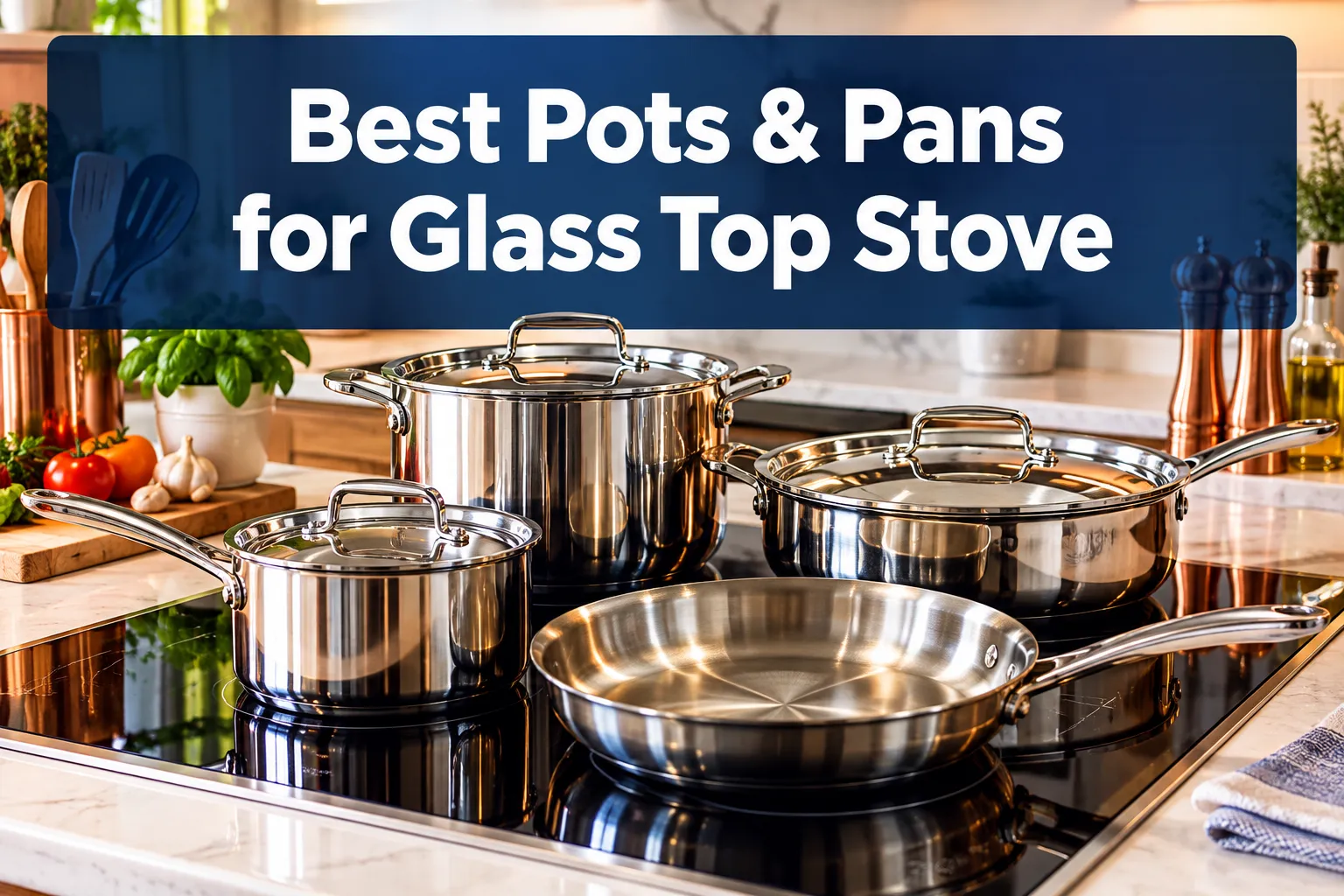
Glass top (ceramic/radiant) stoves: Smooth, flat bottoms are critical to avoid scratching the surface. Avoid cast iron unless it has a very smooth base. Our guide to the best cookware for glass top stoves covers safe options in detail.
Induction stoves: Only magnetic materials work, stainless steel, cast iron, and carbon steel. Copper and aluminum alone won’t work unless they have a magnetic base layer. Always check the product listing for “induction compatible” before buying.
Are There Health and Safety Factors to Consider When Buying Cookware?
Yes, and this is an area where it pays to be specific rather than just buying whatever is labeled “nonstick.”
Key health considerations:
- PFAS/PTFE (Teflon-type) coatings: Traditional nonstick coatings can release fumes if overheated above 500°F. Modern ceramic nonstick avoids PTFE entirely. For a full breakdown, see our guide on cookware free of PFAS risks.
- Ceramic nonstick: Generally considered a safer nonstick alternative, but coating durability varies by brand. See our ceramic cookware pros and cons for an honest assessment.
- Stainless steel: Considered very safe for most people. Some nickel leaching can occur with low-quality steel, particularly when cooking acidic foods. Look for 18/10 stainless steel grade.
- Cast iron: Safe and adds trace dietary iron to food, which is actually beneficial for some people.
Quick rule: If health is your top priority, choose a high-quality ceramic nonstick or stainless steel set and avoid cheap nonstick coatings with vague ingredient descriptions.
What Are the Most Reliable Cookware Brands in 2026?
Brand reputation matters because it reflects consistent manufacturing standards, material quality, and warranty support.
Top-tier (premium):
- All-Clad — the benchmark for stainless steel clad cookware in the U.S.
- Le Creuset / Staub — best for enameled cast iron
- Mauviel — top copper cookware option (see our best copper cookware guide)
Mid-range (best value for most buyers):
- Cuisinart — reliable stainless steel at a fair price
- Merten & Storck — newer brand with strong performance reviews
- Carote — popular ceramic nonstick with a solid safety record (reviewed in our Carote cookware safety analysis)
Budget-friendly:
- T-fal — dependable hard-anodized and stainless options
- Goldilocks — direct-to-consumer pricing with good build quality
Edge case: Avoid unbranded sets sold only through marketplace listings with no warranty information. The savings aren’t worth the risk of toxic coatings or warped bases.
Check Best Price and Deals on Amazon —>
Common Mistakes to Avoid When Buying a Cookware Set
Even experienced cooks make these errors when shopping for a new set.
- Buying by piece count, not quality. More pieces at a low price usually means thinner metal and weaker coatings.
- Ignoring stovetop compatibility. Especially costly with induction cooktops.
- Choosing nonstick for everything. Nonstick coatings degrade over time and aren’t ideal for high-heat cooking.
- Skipping the handle check. Handles that get hot, wobble, or are only rated to 350°F limit what you can do with the pan.
- Not checking the warranty. Quality brands offer lifetime or 10-year warranties. A 1-year warranty on a $200 set is a red flag.
- Buying a full set when you only need a few pieces. Sometimes building your own set piece by piece is smarter and cheaper.
FAQ: What is the Best Cookware Set to Buy?
Q: What is the single best cookware set for most home cooks?
A: A 10-piece fully clad stainless steel set from a brand like All-Clad, Cuisinart, or Merten & Storck covers nearly every cooking task and lasts for decades. Add one ceramic nonstick skillet separately for eggs and delicate foods.
Q: Is ceramic nonstick better than Teflon?
A: Ceramic nonstick is PTFE-free and generally considered safer at high heat. However, it tends to lose its nonstick properties faster than traditional Teflon. For a full comparison, see our Teflon vs ceramic cookware breakdown.
Q: How long should a cookware set last?
A: Stainless steel and cast iron sets can last 20+ years with proper care. Nonstick sets (ceramic or PTFE) typically need replacing every 3–7 years depending on usage and care.
Q: What’s the minimum I should spend on a decent cookware set?
A: Expect to spend at least $80–$120 for a beginner-quality set that performs reliably. Under $60, quality drops sharply. Mid-range sets at $200–$350 offer noticeably better heat distribution and durability.
Q: Can I use any cookware on an induction stove?
A: No. Only magnetic materials work on induction. Test your current pans with a refrigerator magnet — if it sticks to the base, the pan is induction-compatible.
Q: Is a 15-piece cookware set worth it?
A: Rarely. Most extra pieces in large sets are redundant or low quality. A focused 8–10 piece set of better materials is almost always the smarter buy.
Q: What cookware is best for healthy cooking?
A: Stainless steel, cast iron, and ceramic nonstick are the top choices for health-conscious cooks. Avoid cheap nonstick coatings and look for PFAS-free labeling. Our guide to cookware for healthy eating choices covers this topic in depth.
Q: Should I buy a set or individual pieces?
A: If you’re starting from scratch, a set is usually more cost-effective. If you already have some cookware, buying individual pieces to fill gaps is smarter.
Conclusion: How to Choose the Right Set for Your Kitchen
Finding What is the Best Cookware Set to Buy doesn’t require spending a fortune or reading every review on the internet.
Start with two questions:
What do I cook most often, and what stovetop do I have?
Those two answers narrow your choices dramatically.
Actionable next steps:
- Identify your stovetop type and confirm compatibility before looking at any set.
- Set a realistic budget — $150–$300 is the sweet spot for most buyers who want quality without overpaying.
- Choose your primary material — stainless steel for versatility, ceramic nonstick for easy cleanup, cast iron for durability.
- Pick a 8–10 piece set from a brand with a solid warranty and clear material specifications.
- Add a single nonstick skillet separately if your main set is stainless steel.
The right cookware set makes cooking easier, more enjoyable, and safer.
Take the time to match the set to your actual habits, and it will serve you well for years.
Check Best Price and Deals on Amazon —>
References
- Cook’s Illustrated. (2023). The Best Cookware Sets. America’s Test Kitchen. https://www.cooksillustrated.com
- Consumer Reports. (2024). Cookware Buying Guide. https://www.consumerreports.org/cookware/
- U.S. Food and Drug Administration. (2022). PFAS in Food Packaging and Cookware. https://www.fda.gov
- Good Housekeeping Institute. (2024). Best Cookware Sets Tested by the Good Housekeeping Institute. https://www.goodhousekeeping.com