Did you know the cookware you use can significantly impact your health and the environment? Understanding the risks associated with per- and polyfluoroalkyl substances (PFAS) in cookware is vital for making informed choices in your kitchen.
What You Will Learn
- PFAS, known as “forever chemicals,” persist in the environment and can accumulate in our bodies over time.
- Health risks associated with PFAS exposure include hormonal disruption, increased cancer risk, and reduced immune response in children.
- Choosing PFAS-free cookware not only protects your health but also supports a cleaner environment.
- Materials like stainless steel, ceramic, and cast iron are naturally PFAS-free alternatives worth considering.
- Embracing sustainable cooking practices, such as local sourcing and minimizing waste, enhances your overall cooking experience.
- Retailers like Amazon and Williams Sonoma offer a variety of PFAS-free cookware options to fit different needs and budgets.
Understanding PFAS and Cookware Choices
Delve into the critical aspects of PFAS, their health implications, and safer cookware alternatives for a healthier kitchen.
What are PFAS?
- Durability: Coatings are long-lasting but can leach into food.
- Environmental Impact: Persist in nature, affecting water and wildlife.
- Health Concerns: Linked to various health issues.
Health Risks
- Hormonal Disruption: Interfere with endocrine function.
- Increased Cancer Risk: Studies suggest a link to certain cancers.
- Immune System Impacts: Reduced vaccine effectiveness in children.
Informed Decisions
- Materials: Stainless steel, ceramic, cast iron (naturally PFAS-free).
- Certifications: Look for labels indicating absence of harmful chemicals.
- Reviews: Check testimonials for performance and safety.
Sustainable Practices
- Ingredients: Utilize local and organic whenever possible.
- Waste: Minimize food waste through meal planning.
- Energy: Explore efficient cooking methods like induction.
Understanding PFAS and Its Impact on Cookware Choices
As we navigate the world of cookware, it’s crucial to understand the term PFAS, which stands for per- and polyfluoroalkyl substances. These chemicals are often used in manufacturing processes, particularly in non-stick coatings. Unfortunately, their widespread use has raised serious concerns regarding health risks and environmental impacts, making it essential for us to consider PFAS in our cookware choices. For a comprehensive overview of these substances, you can refer to information provided by the FDA on PFAS.
PFAS have been linked to various health issues, including hormonal disruption and increased risk of certain diseases. That’s why many are opting for safer alternatives when they’re updating their kitchens. If you’re like me, you want to ensure that your cooking choices are not only efficient but also safe for you and your family!
What Are PFAS and Why Are They a Concern in Cookware?
PFAS are often referred to as “forever chemicals” because they do not break down easily in the environment or our bodies. This durability makes them effective for non-stick cookware, but it also means they can accumulate over time, leading to potential health risks. It’s vital to be informed about these substances as we make decisions about our cooking tools. The EPA provides further insights into the human health and environmental risks of PFAS.
- Durability: PFAS coatings are long-lasting but can leach into food.
- Environmental Impact: They persist in nature, affecting water and wildlife.
- Health Concerns: Linked to various health issues, including cancer and immunity problems.
Choosing cookware that is free from PFAS not only benefits our health but also supports a cleaner environment. Understanding what PFAS are and their implications is the first step in making better cookware choices.
Health Risks Associated with PFAS Exposure
Recent studies have highlighted several potential health risks tied to PFAS exposure. These include issues related to reproductive health, increased cholesterol levels, and even effects on childhood development. We can’t overlook the importance of using PFAS-free cookware, especially for families with young children. The National Academies offer a detailed understanding of these risks.
- Hormonal Disruption: PFAS are known to interfere with endocrine function.
- Increased Risk of Cancer: Some studies suggest a link between PFAS and certain cancers.
- Immune System Impacts: Exposure can lead to reduced vaccine effectiveness in children.
Being aware of these health risks empowers us to make informed choices that prioritize safety in our kitchens. Transitioning to PFAS-free cookware can significantly reduce our exposure to these harmful substances.
Pro Tip
When searching for PFAS-free cookware, consider investing in high-quality options made from materials like stainless steel or cast iron. Not only are they safer, but they also provide excellent durability and heat distribution, enhancing your cooking experience.
Summarizing the Importance of Choosing PFAS-Free Cookware
In today’s world, understanding the materials we use in our kitchens is crucial for our health and well-being. Choosing PFAS-free cookware significantly impacts not only our cooking experience but also our overall safety. As a cooking enthusiast, I’ve seen firsthand how these choices can make a difference in daily meal preparation!
It’s essential to empower yourself with information when selecting cookware. By opting for PFAS-free options, you’re taking a proactive step towards creating a healthier kitchen environment. Plus, you’ll be supporting sustainable products that align with a conscious lifestyle.
Frequently Asked Questions (FAQs)
What are PFAS?
PFAS stands for per- and polyfluoroalkyl substances. They are a group of man-made chemicals often used in non-stick coatings, known for their durability but also for their persistence in the environment and human body, earning them the nickname “forever chemicals.”
Why are PFAS a concern in cookware?
In cookware, PFAS are used to create non-stick surfaces. However, they can leach into food, especially when cookware is scratched, overheated, or worn. This can lead to human exposure and potential health risks.
What health risks are associated with PFAS exposure?
Exposure to PFAS has been linked to various health concerns, including hormonal disruption, increased risk of certain cancers, effects on the immune system (like reduced vaccine effectiveness in children), and issues with reproductive health and cholesterol levels.
What are some PFAS-free cookware alternatives?
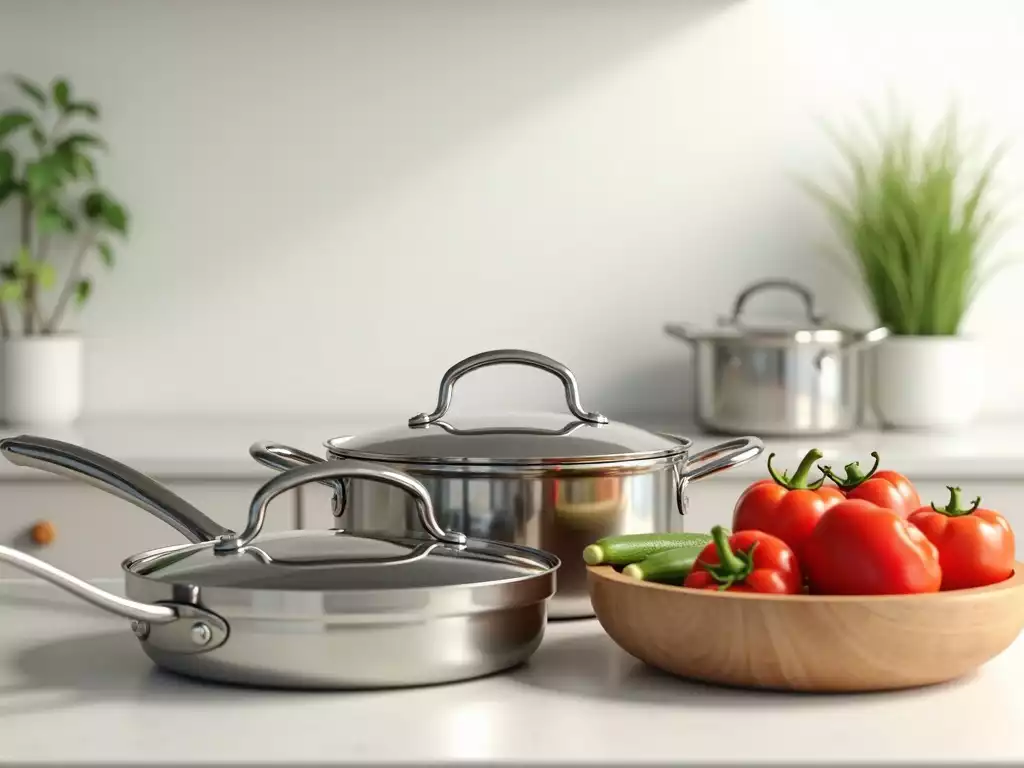
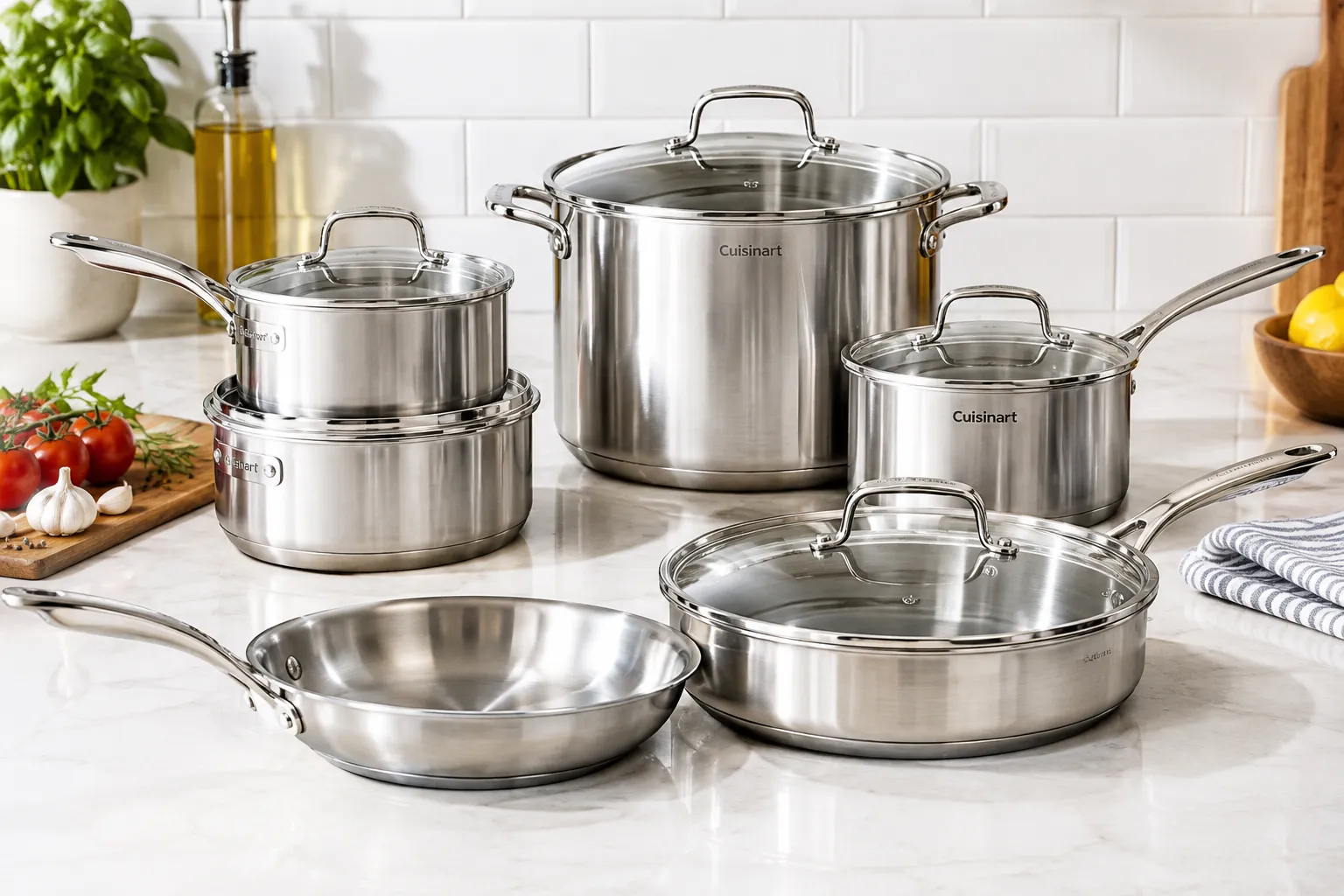
Excellent PFAS-free alternatives include stainless steel, ceramic, and cast iron. These materials are naturally free from PFAS and offer great durability and heat distribution for cooking.
How can I identify PFAS-free cookware?
Look for labels and certifications that explicitly state the absence of PFAS, PFOA, and PTFE. Reading product reviews and checking manufacturer specifications can also help confirm if cookware is PFAS-free.
Where can I buy PFAS-free cookware?
Many retailers, both online and in-store, offer PFAS-free options. Popular choices include Amazon, Williams Sonoma, and Target. When shopping, prioritize checking product descriptions and certifications.
Making Informed Decisions for Your Kitchen Safety
When it comes to cookware, being well-informed is key! It’s important to look for labels and certifications that indicate safety and sustainability. Here are some crucial factors to consider:
- Look for materials like stainless steel, ceramic, and cast iron that are naturally PFAS-free.
- Check for certifications that ensure the absence of harmful chemicals.
- Read reviews and testimonials from other users to gauge the performance and safety of the cookware.
By keeping these points in mind, you can choose cookware that not only meets your cooking needs but also prioritizes your health and safety. Remember, informed decisions lead to a safer kitchen!
Encouraging Sustainable Cooking Practices and Healthier Living
Transitioning to PFAS-free cookware is part of a larger commitment to sustainable living. It’s not just about avoiding harmful chemicals; it’s also about embracing practices that benefit our planet. I’ve found that using eco-friendly cookware encourages me to cook healthier meals more often!
Consider these sustainable cooking practices:
- Utilizing local and organic ingredients whenever possible.
- Minimizing food waste through proper meal planning.
- Exploring energy-efficient cooking methods, such as using induction cooktops.
By integrating these practices into your cooking routine, you contribute to a healthier lifestyle for yourself and a more sustainable future for our planet!
Taking Action: Where to Buy and What to Look For
Recommended Retailers for PFAS-Free Cookware
Finding PFAS-free cookware is easier than ever with many retailers focusing on health-conscious options. I often recommend checking out both online and local stores that specialize in eco-friendly products.
- Amazon: A wide selection of brands and customer reviews can help you make decisions.
- Williams Sonoma: Known for high-quality cookware, many options are PFAS-free.
- Target: Offers affordable yet safe cookware alternatives.
These retailers provide a variety of choices to suit your cooking style and budget. Remember to look for product specifications to ensure you’re selecting the safest options!
Final Thoughts on Transitioning to Non-Toxic Cookware
As you embark on your journey towards non-toxic cookware, remember that every small step counts! Making the shift to PFAS-free cookware doesn’t have to be overwhelming. Take it one piece at a time, and before you know it, your entire kitchen will reflect your commitment to health and safety.
Embracing safe cookware not only enhances your cooking experience but also fosters a more aware and health-conscious lifestyle. I truly believe that investing in PFAS-free options is an investment in your health!
Exploring the Benefits of Chemical-Free and Organic Cookware
Choosing chemical-free cookware is about more than just safety—it’s also about enjoying the cooking process! Organic materials often provide better heat distribution and are free from harmful substances that can leach into your food.
- Enhanced flavor: Organic cookware often maintains the natural taste of your ingredients.
- Improved health: Reducing exposure to harmful chemicals can lead to better overall well-being.
- Sustainability: Many organic cookware options are made from renewable materials, benefiting the environment.
So, as we close this section, remember that making mindful decisions today leads to healthier meals and a happier kitchen tomorrow! Let’s keep cooking with care and intention!
Recap of Key Points
Here is a quick recap of the important points discussed in the article:
- PFAS, or per- and polyfluoroalkyl substances, are harmful chemicals found in many non-stick cookware.
- Choosing PFAS-free cookware can reduce health risks, including hormonal disruption and increased cancer risk.
- Look for materials like stainless steel, ceramic, and cast iron, which are naturally PFAS-free.
- Prioritize cookware with certifications ensuring the absence of harmful chemicals.
- Adopting sustainable cooking practices, such as using local ingredients and minimizing waste, benefits both health and the environment.


One response to “Cookware Free of PFAS Risks”
[…] the risks and benefits associated with different cookware materials is crucial for a healthier kitchen. Below are key comparisons to help you make informed […]