Is 100 Ceramic Cookware Non Stick
Last updated: September 12, 2026
Quick Answer
Is 100 Ceramic Cookware Non Stick? Not in the way most shoppers expect. Pure ceramic cookware, like the pieces made by Xtrema, has a smooth glaze that releases food reasonably well once it is preheated and lightly oiled, but it does not behave like a Teflon or ceramic coated nonstick pan straight out of the box. If you want slick, zero effort release every time, a ceramic coated pan will feel more familiar. If you want a pan that keeps its surface for decades without flaking, pure ceramic is the better bet.
Key Takeaways
- 100% ceramic cookware is not the same product as “ceramic nonstick.” One is a solid clay or porcelain body; the other is a thin coating sprayed onto metal, and only the coated version is marketed as truly nonstick.
- Pure ceramic pans, such as those from Xtrema, need a short preheat and a touch of oil or butter to release eggs, fish, or pancakes cleanly.
- Ceramic coated nonstick pans typically lose their slick performance within 12 to 24 months of regular stovetop use, according to testing from Consumer Reports.
- Pure ceramic cookware contains no PTFE or PFOA, the chemicals tied to older Teflon formulas.
- A full ceramic cookware set can run anywhere from about 80 USD (roughly 74 EUR) for a single skillet to 400 to 600 USD (about 370 to 555 EUR) for a multi piece cookware set with a lid.
- Ceramic cookware works on gas, electric, glass top, and most induction stoves when the base is manufactured with a magnetic layer.
- Sticking problems almost always trace back to too little oil, too much heat, or skipping the preheat step, not a defective pan.
Is 100 Ceramic Cookware Non Stick? Understanding the Core Question
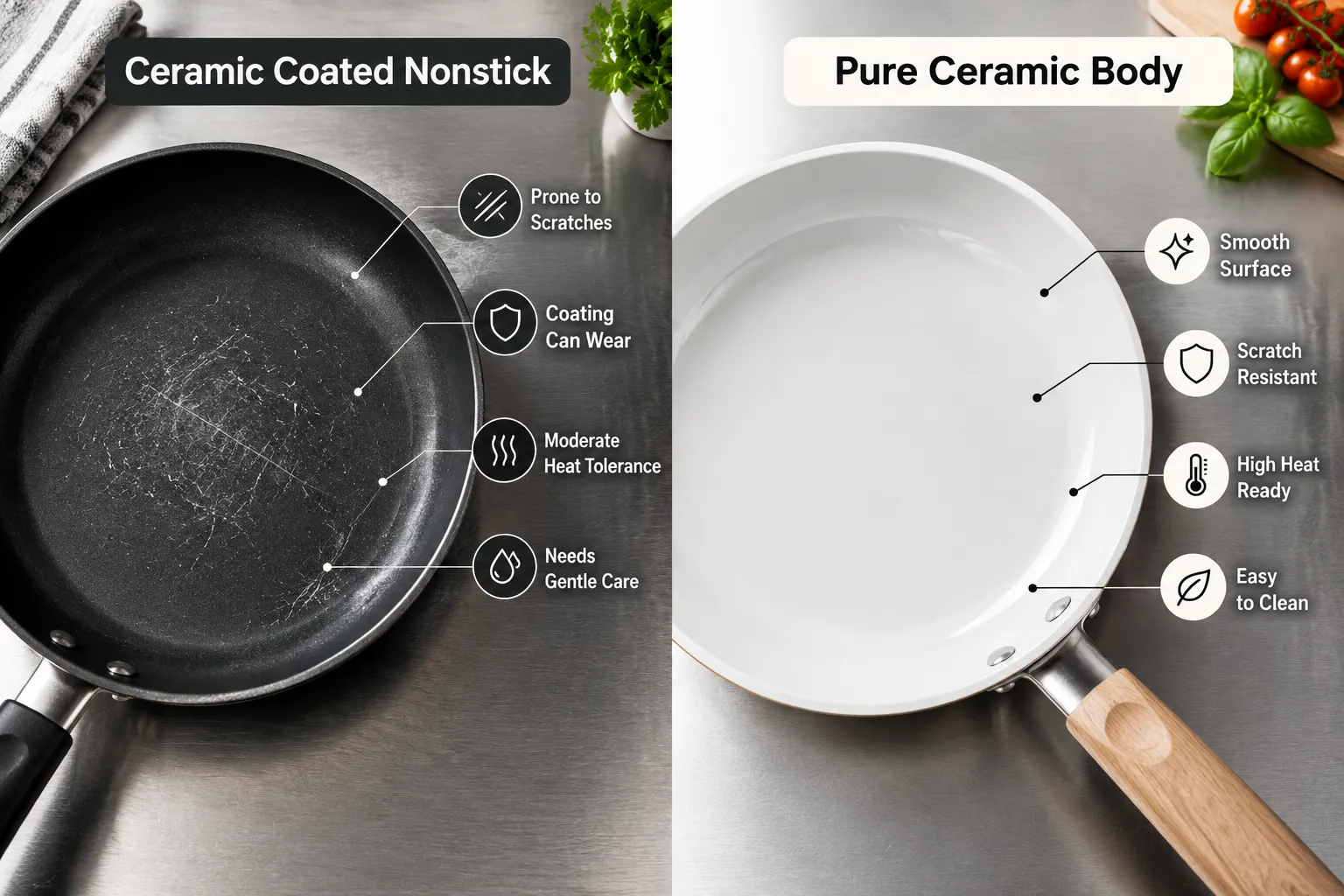
Is 100% Ceramic Cookware Non Stick the same way a coated pan is? No. A solid ceramic pan releases food through a smooth, low friction glaze and correct heat control, while a coated nonstick pan releases food through a slippery polymer layer, and the two mechanisms behave very differently in daily cooking.
Check Ceramic Cookware Pricing on Amazon US or Check Ceramic Cookware Pricing on Amazon UK
Shoppers researching is 100 Ceramic Cookware Non Stick are usually comparing two very different product categories without realizing it:
- Ceramic coated cookware: aluminum or steel pans sprayed with a silica based, PFAS free coating that feels genuinely slick when new.
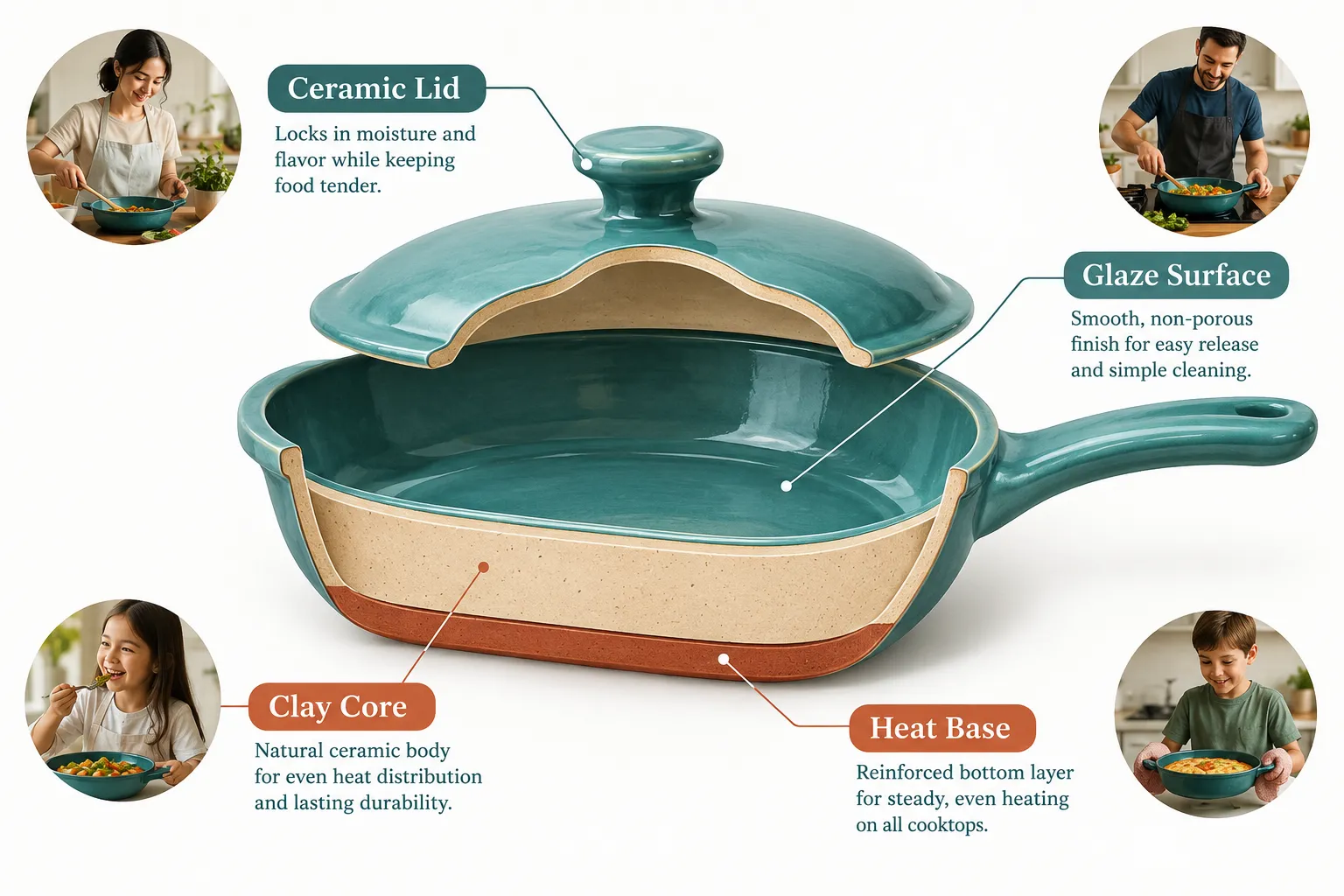
- 100% ceramic cookware: a solid clay or porcelain body, fired and glazed the same way as fine dinnerware, with no metal core and no sprayed coating.
Xtrema, one of the best known pure ceramic cookware brands, is upfront that its pans are “naturally nonstick” rather than “slick nonstick,” and that distinction matters before you add anything to your cart.
What Is 100% Ceramic Cookware Made Of
100% ceramic cookware is made from natural clay minerals that are shaped, fired at high heat, and then coated with a glass like glaze, with no metal, plastic, or chemical coating anywhere in the cooking surface. This is closer to how a ceramic mug or a glazed casserole dish is produced than how a typical metal skillet is made.
Key material facts worth knowing:
- The clay body is fired at temperatures often exceeding 1,800 degrees Fahrenheit, which is why pure ceramic tolerates broiler and oven heat that would warp a coated metal pan, per manufacturer testing referenced by Xtrema.
- The glaze is fused glass, not a plastic polymer, so it will not degrade the way PTFE or silicone based coatings do over time.
- Because there is no metal core, pure ceramic cookware is naturally free of PFOA, PTFE, lead, and cadmium when it meets US and EU cookware safety standards, according to guidance summarized by the FDA on food contact materials.
If you want a deeper breakdown of how this compares to sprayed coatings, our guide to ceramic cookware pros and cons walks through the tradeoffs in more detail.
Is Ceramic Cookware Actually Non Stick? Pure Ceramic vs. Ceramic Coated Cookware
Ceramic cookware is only “actually” nonstick in the coated sense; pure ceramic cookware is low stick, not nonstick, and it needs a light film of oil or butter to release delicate food cleanly. This single distinction explains most of the confusion buyers run into online.
Here is a plain comparison of how each type behaves in a real kitchen:
| Feature | Pure Ceramic (Xtrema style) | Ceramic Coated Nonstick |
|---|---|---|
| Core material | Solid clay, no metal | Aluminum or steel with sprayed coating |
| Release without oil | Poor to fair | Very good when new |
| Coating lifespan | Glaze does not wear off | Slick feel fades in 1 to 2 years |
| Contains PTFE or PFOA | No | No, most 2026 versions are PFAS free |
| Oven and broiler safe | Yes, very high heat | Usually limited to 350 to 450°F |
| Metal utensil safe | Yes | Generally not recommended |
Reviews from Serious Eats and testing published by Good Housekeeping both note that ceramic coated pans feel slicker on day one, but pure ceramic bodies hold their surface quality far longer because there is no coating to scratch off.
How Long Does Ceramic Non Stick Coating Last
Ceramic nonstick coatings on metal pans typically start losing their slick performance within about one year of regular use, and many home cooks notice sticking by year two, based on findings reported by Consumer Reports. A solid 100% ceramic pan, by contrast, keeps the same glaze for the life of the pan because there is no coating layer to wear away.
Factors that shorten ceramic coating life:
- High heat above 450°F, which breaks down the coating’s molecular structure.
- Metal utensils that scratch the sprayed surface.
- Dishwasher cycles, which many manufacturers warn against for coated pans.
- Cooking oil residue left to bake on repeatedly, which builds a sticky film.
Because pure ceramic has no coating to fail, brands like Xtrema back their skillets with multi year warranties, and some buyers report using the same pan for over a decade with normal care, according to product information on the Xtrema site.
Ceramic vs Teflon Cookware: Which Is Better
Ceramic cookware and Teflon cookware solve different problems: Teflon (PTFE based nonstick) gives the slickest immediate release but wears out faster and cannot handle very high heat, while ceramic, whether coated or pure, tends to be more heat tolerant and is marketed as the PFAS free alternative.
Check Ceramic Cookware Pricing on Amazon US or Check Ceramic Cookware Pricing on Amazon UK
- Teflon (PTFE): extremely low friction, but the coating degrades if overheated past roughly 500°F and can flake with metal utensil use, per EPA guidance on PFAS.
- Ceramic coated: PFAS free silica based coating, good release for the first year or so, then performance declines.
- Pure ceramic: no coating to degrade, tolerates oven and broiler heat, but needs technique (preheat and oil) rather than relying on a slick surface.
For a side by side breakdown of these three categories, see our full comparison of Teflon versus ceramic cookware and our dedicated look at cookware made to avoid PFAS.
Best 100% Ceramic Cookware Brands and Top Rated Sets
Xtrema is widely considered the leading 100% ceramic cookware brand sold in the US and Europe, and its lineup covers everything from single skillets to full cookware sets with a lid. Other brands sell ceramic coated pans, but far fewer make a solid, all ceramic body.
Some of the most searched top rated pieces in the pure ceramic category include:
- Duo 9 Piece Ceramic Cookware Set – Ceramic Lid and the Duo 9 Piece Ceramic Cookware Set – Glass Lid, both built around a versatile skillet, saucepans, and a stockpot.
- Premiere 9 Piece Ceramic Cookware Set – Glass Lid, positioned as a step up for a home chef who wants a matched, all ceramic collection.
- Clear 8 Piece Ceramic Cookware Set – Glass Lid – Induction, made for glass top and induction ranges.
- Duo Ceramic Sauté Skillet, Duo Ceramic Shallow Sauté Casserole, and Duo Ceramic Casserole, each with a ceramic lid for stovetop to oven cooking.
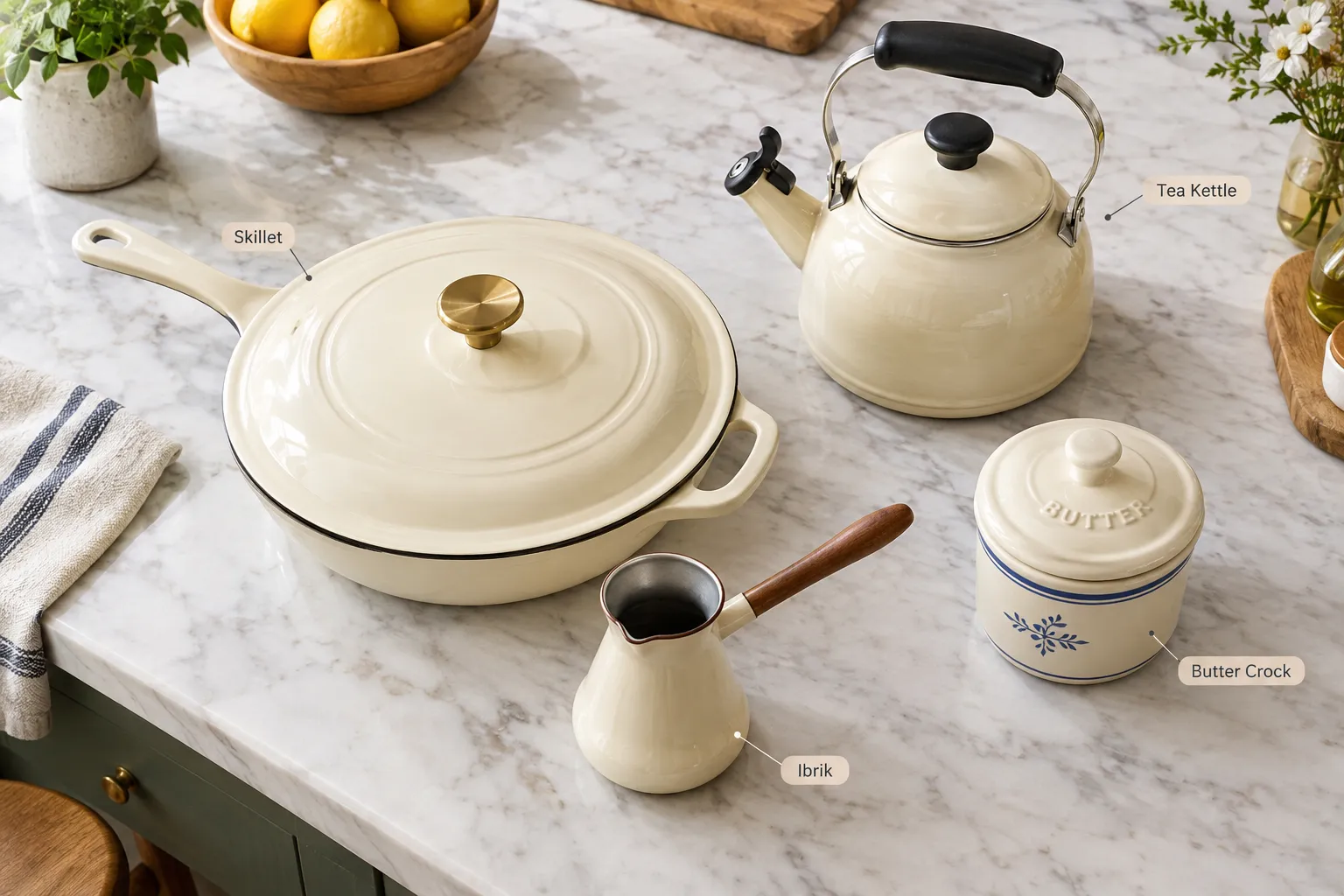
- Classic Ceramic Tea Kettle, a retro tea kettle style pot for stovetop boiling.
- French Butter Crock – Premium Ceramic, a small countertop piece for softened butter.
- Twist Ibrik, Classic Ibrik, Hammered Ibrik, and Basic Ibrik, all sold as a 100% ceramic coffee pot for Turkish style brewing.
- A Signature Series set and a Premier Home Chef set, aimed at cooks who want a broader home chef set with more pieces.
Is 100 Ceramic Cookware Non Stick
Xtrema also sells a wok style pan, sometimes called the versa wok for its ability to sauté, steam, and sear, and it fits the same versatility role a metal wok would in a healthy kitchen.
If you shop cookware sets directly through the brand, each product page shows a lid option, an add to cart button, and a running cart total, and if your cart is empty you can browse the best sellers list to compare a piece ceramic set against a single skillet.
Simply pick your preferred lid, add to cart, and check out. Many retailers post promo details, such as a discount when you spend over 150 USD, though taxes are calculated separately at checkout.
For an in depth hands on look at one flagship model, read our Xtrema pure ceramic cookware review, and for lighter budget options, our guide to affordable cookware sets under 100 USD is worth a look too.
You can check current pricing and availability here: Shop ceramic cookware on Amazon US or Shop ceramic cookware on Amazon UK.
How Much Does Ceramic Cookware Cost
Pure ceramic cookware generally costs more per piece than basic Teflon cookware but less than premium clad stainless steel, with single skillets starting around 80 to 100 USD (about 74 to 93 EUR) and full sets reaching 400 to 600 USD (roughly 370 to 555 EUR).
Typical pricing patterns as of 2026:
- Single skillet or sauté pan: 80 to 150 USD (about 74 to 140 EUR)
- 9 piece ceramic cookware set with a lid: 350 to 550 USD (about 325 to 510 EUR)
- Ibrik style ceramic coffee pot: 30 to 50 USD (about 28 to 46 EUR)
- French butter crock: 20 to 35 USD (about 18 to 33 EUR)
- Classic ceramic tea kettle: 60 to 90 USD (about 55 to 84 EUR)
International shoppers can often toggle the site currency selector to see prices in EUR, GBP, or even XAF (CFA franc) instead of USD, though exchange rates shift regularly. Compared with the ceramic coated cookware covered in our guide to ceramic nonstick cookware sets, pure ceramic tends to sit at a higher price point but rarely needs replacing.
Ceramic Cookware Sticking Problems: How to Fix Them
Most sticking problems with ceramic cookware come down to skipping the preheat step, using too little oil, or cooking at heat that is too low for the food to release cleanly. These are fixable habits, not manufacturing defects.
A quick troubleshooting checklist:
- Preheat for 2 to 3 minutes on medium before adding oil or food; ceramic needs time to reach an even temperature.
- Use enough fat. A thin film of oil or butter is not optional on pure ceramic the way it can be on a brand new coated pan.
- Avoid cold pan, cold oil, cold food. Adding everything at once is the single most common mistake.
- Let proteins sear before moving them. Flipping too early tears the surface bond and causes sticking.
- Clean off carbon buildup. A baking soda paste restores the glaze if food residue has built up over months of use.
If sticking persists after trying these steps, our comprehensive durability test on ceramic nonstick pans explains when a coating has genuinely worn out versus when technique is the real issue.
Is Ceramic Cookware Safe to Use
Yes, 100% ceramic cookware and PFAS free ceramic coated cookware are both considered safe for everyday cooking, provided the glaze meets recognized safety testing for lead and cadmium leaching. No cookware claim in this article should be read as medical advice.
Check Ceramic Cookware Pricing on Amazon US or Check Ceramic Cookware Pricing on Amazon UK
Safety points worth knowing:
- Pure ceramic contains no PTFE, no PFOA, and no metal core, so there is no coating to flake into food.
- The Environmental Working Group notes that PFAS free coatings, whether ceramic coated or silica based, avoid the older Teflon chemical concerns tied to high heat breakdown.
- Buyers with health-conscious cooking priorities often choose pure ceramic specifically because there is no polymer coating to age or scratch off over years of use.
- Please check that any imported ceramic piece carries testing documentation, since not every glaze meets US or EU leaching limits.
For a broader look at non toxic options across categories, our roundup of non-toxic cookware sets covers several brands beyond Xtrema.
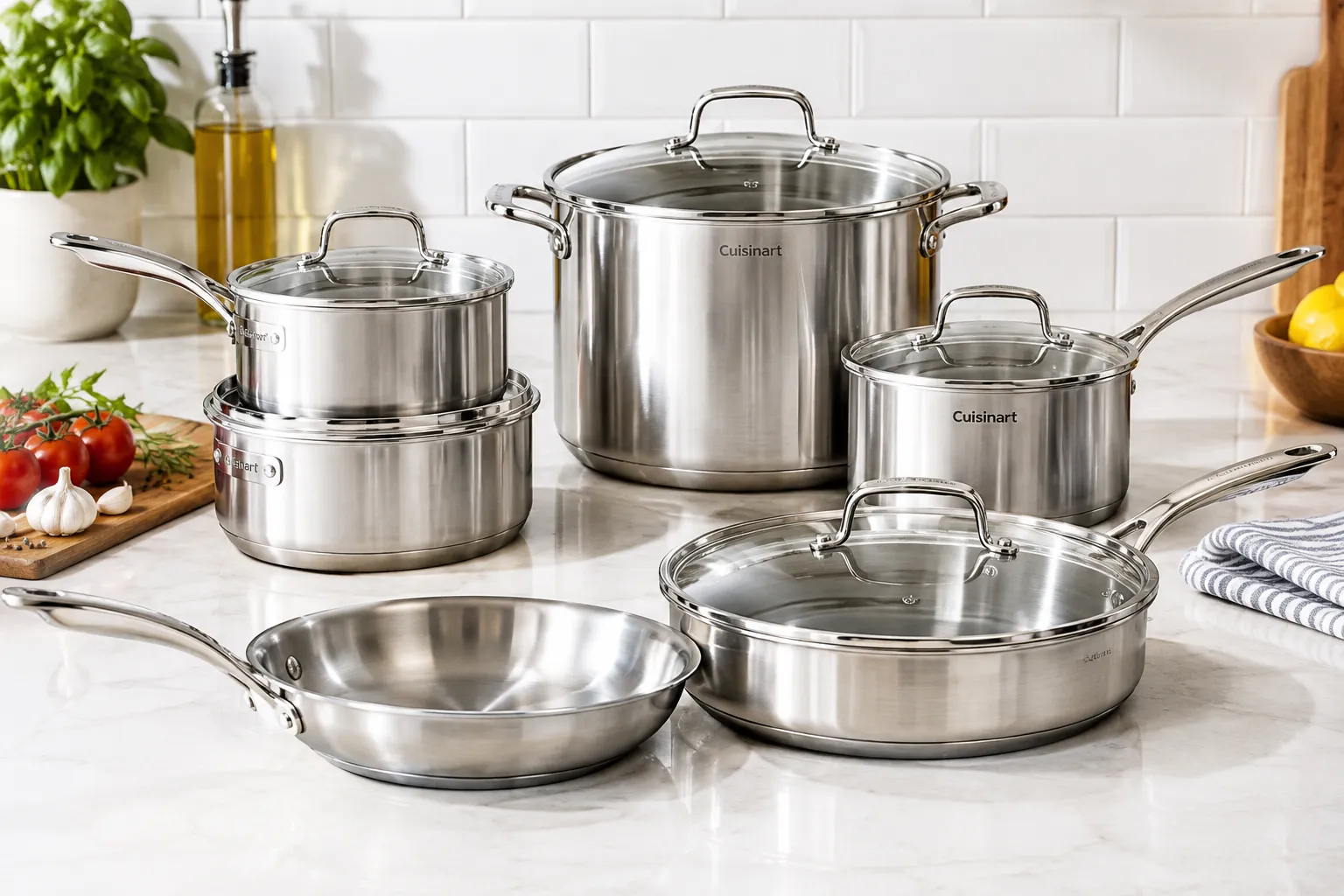
Ceramic Cookware vs Stainless Steel: Which Should You Choose
Ceramic cookware wins on natural release for delicate food and PFAS free peace of mind, while stainless steel wins on searing power, browning, and long term abuse resistance. Neither is universally “better”; the right pick depends on what you cook most.
- Choose ceramic if: you cook eggs, fish, and delicate sauces often, want a PFOA free surface, and value oven to table styling.
- Choose stainless steel if: you sear steaks, deglaze pans for sauces, or need a workhorse that shrugs off metal utensils and high heat daily.
Both hold up well over time, but stainless steel generally tolerates more abuse, while pure ceramic offers a smoother, more food safe glaze. Our beginner’s guide to durable cookware compares long term wear across both materials in more detail.
Does Ceramic Cookware Work on Induction Stoves
Ceramic cookware works on induction stoves only when the base includes a magnetic layer, since induction cooktops heat cookware through magnetism, not the ceramic body itself.
Brands that sell an induction ready line, such as the Clear 8 Piece Ceramic Cookware Set – Glass Lid – Induction, build a magnetic disc into the bottom specifically for this purpose.
Versatility across cooking surfaces matters for anyone shopping around modern kitchen islands with built in induction ranges:
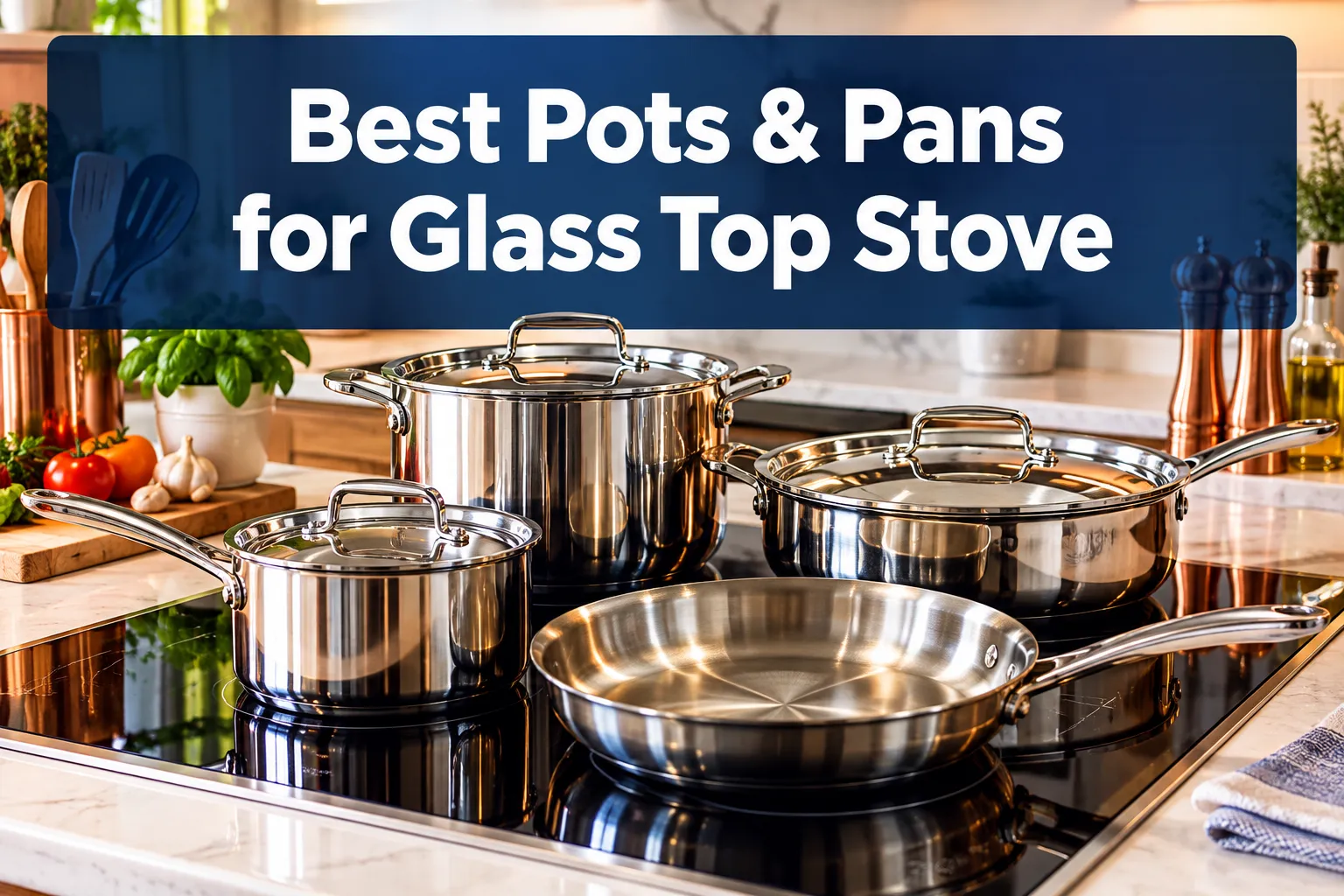
- Standard gas, electric coil, and glass top ranges work with any ceramic pan.
- Induction requires checking the base for a magnetic layer before you buy.
- A versa wok style pan or skillet with an induction ready base can move from stovetop to oven without a coating to worry about.
If your kitchen island runs on induction, our essential guide to induction cookware breaks down which bases actually work.
Ceramic Cookware Care and Maintenance Tips
Ceramic cookware lasts longest when it is hand washed, cooled before cleaning, and never shocked with sudden temperature changes. Because pure ceramic has no coating, care routines are simpler than most people expect.
Care habits that extend the life of a ceramic set:
- Follow the manufacturer’s heat guidance rather than blasting a burner on high.
- Metal utensils are generally fine on pure ceramic, unlike coated nonstick, which is a real convenience for busy healthy kitchen routines.
- Avoid dropping a hot pan straight into cold water; thermal shock can crack any ceramic body.
- Wipe with warm water and a soft sponge; a baking soda soak lifts stuck-on food without scratching the glaze.
- Store lids separately or with a felt liner so the ceramic lid does not chip against the pan.
Who Is 100% Ceramic Cookware Best Suited For
Pure ceramic cookware is best suited for home cooks who prioritize a chemical free surface, oven to table presentation, and long term durability over the fastest possible food release. It is less ideal for cooks who want zero effort nonstick performance straight out of the box.
- Great fit: health-conscious households, anyone avoiding PTFE and PFOA, cooks who bake and broil often, and shoppers furnishing a kitchen island display where cookware doubles as decor.
- Poor fit: cooks who want ultra slick, oil free egg release every single time without adjusting technique.
Common Mistakes to Avoid With Ceramic Cookware
The most common mistake with ceramic cookware is treating it like a Teflon pan and skipping oil entirely, followed closely by using excessive heat that the food does not actually need.
- Cranking the burner to high instead of medium.
- Using zero fat and expecting slick release on the first use.
- Ignoring a recipe’s suggested preheat time for delicate proteins.
- Buying a coated pan expecting the durability of a pure ceramic body, or the reverse.
- Skipping brand research; not every “ceramic” cookware set is actually 100 ceramic cookware, so read the product description closely before you check out.
Check Ceramic Cookware Pricing on Amazon US or Check Ceramic Cookware Pricing on Amazon UK
Frequently Asked Questions
What’s the downside of ceramic cookware?
The main downside is inconsistent food release compared to fresh Teflon, since pure ceramic needs proper preheating and oil to avoid sticking. Ceramic coated versions also lose their slick surface within a year or two, and pure ceramic pieces can chip or crack if dropped on a hard floor.
Is ceramic cookware safe than non-stick?
Ceramic cookware, whether pure or coated, is generally considered safer than older PTFE based nonstick because it contains no PFOA and, in most 2026 products, no PTFE at all. Pure ceramic has no coating to degrade, which removes concerns tied to overheating a sprayed nonstick surface.
What is the healthiest nonstick cookware to use?
Most reviewers point to PFAS free ceramic coated cookware or 100% ceramic bodies as the healthiest nonstick options available today, since neither contains PTFE or PFOA. Cast iron and stainless steel are also considered safe, chemical free alternatives, though they are not marketed as nonstick.
Which is safer, ceramic or stainless steel?
Both are considered safe for everyday cooking; ceramic avoids any metal leaching concerns entirely, while stainless steel is inert and extremely stable at high heat. Neither poses the coating breakdown risk associated with older PTFE nonstick pans, so the choice mostly comes down to cooking style rather than safety.
Conclusion
Is 100 Ceramic Cookware Non Stick in the slick, effortless sense that marketing photos suggest?
Not quite, and that is the single most useful thing to understand before adding a pure ceramic skillet, a French butter crock, or a full cookware set to your cart.
Pure ceramic rewards a short preheat and a little oil with food release that holds up for years, long after a coated nonstick pan has lost its slick surface.
If you cook eggs and fish constantly and want the absolute easiest release, a well reviewed ceramic coated pan may suit you better in the short term.
If you want one pan, or one full ceramic cookware set, that you are not replacing every two years, pure ceramic brands like Xtrema are worth the higher upfront cost.
Compare a few models, check the lid style, confirm induction compatibility if you need it, and pick the option that matches how you actually cook, not just how a demo video looks.
Ready to compare current models? Check ceramic cookware pricing on Amazon US or check ceramic cookware pricing on Amazon UK before you decide.

Leave a Reply
You must be logged in to post a comment.