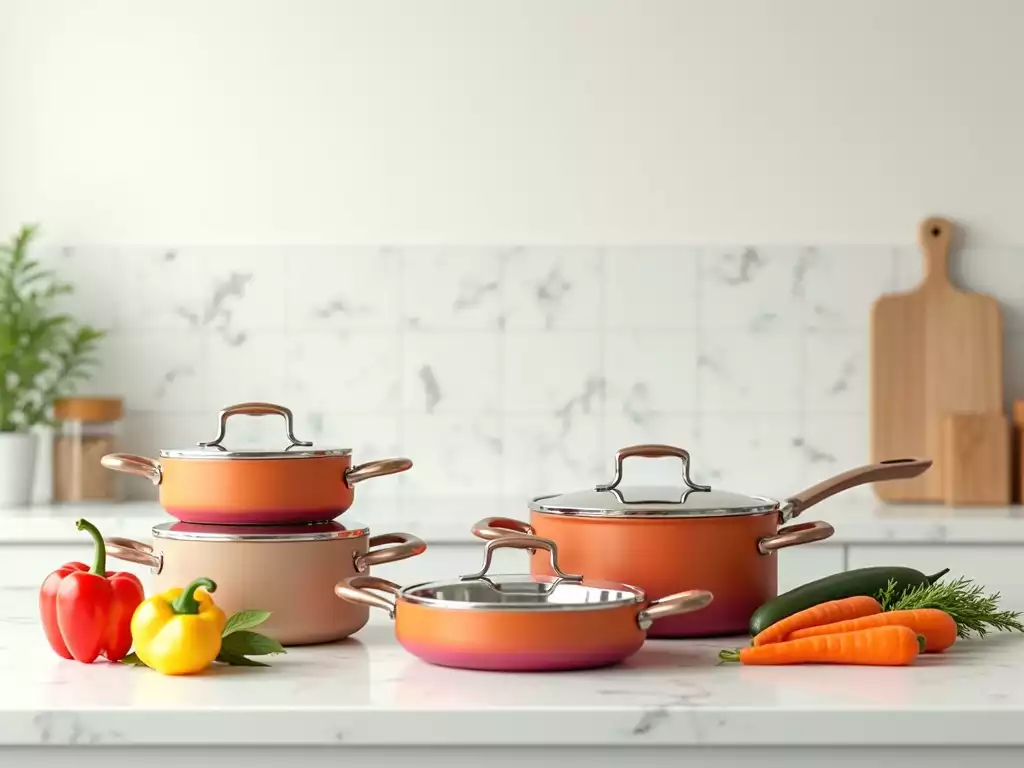
What You Will Learn
- Choosing non-toxic cookware significantly improves the quality of your meals and overall health.
- Stainless steel is durable, non-reactive, and ideal for various cooking methods.
- Ceramic cookware offers a safe non stick surface without harmful chemicals.
- Cast iron provides excellent heat retention and develops a natural non stick surface with use.
- Understanding the implications of different cookware materials helps avoid health risks.
- Investing in high-quality cookware is a step towards healthier cooking and eating.
- Brands like GreenPan and Lodge prioritize safety and effectiveness in their cookware options.
Comparing Healthy Cookware Materials
Understanding the different materials used in cookware is crucial for healthy cooking. This comparison highlights key properties and health implications of popular options.
Stainless Steel
Benefits: Durable, non-reactive, easy to clean, good heat conduction.
Considerations: Can stick if not properly used.
Ceramic
Benefits: Non-toxic, natural non stick, good heat retention, aesthetically pleasing.
Considerations: Can be more fragile, non stick can degrade over time.
Cast Iron
Benefits: Excellent heat retention, natural non stick (when seasoned), durable, long-lasting.
Considerations: Heavy, requires seasoning, can rust if not cared for.
Carbon Steel
Benefits: Lighter than cast iron, develops natural non stick, great for high-heat cooking.
Considerations: Requires seasoning, can react with acidic foods if not well-seasoned.
Non stick Coatings (PFOA-free)
Benefits: Easy food release, quick clean up, requires less oil.
Considerations: Can be damaged easily, limited high-heat use, lifespan concerns.
Copper
Benefits: Excellent heat conductivity, precise temperature control, elegant.
Considerations: High maintenance, reactive if unlined, can be expensive.
Understanding Healthy Cooking Pots: What Makes Them Safe?
When it comes to cooking, using the right pots and pans is essential for maintaining healthy meals. But what makes these cooking pots safe? It all starts with the materials they’re made from.
Understanding the differences and benefits of various cookware can lead to better health choices in your kitchen!
For more on making your home healthier, explore these expert tips for a healthier home from Harvard’s T.H. Chan School of Public Health.
Investing in healthy cookware means you’re not just focusing on your meals but also on the safety of your cooking environment.
With so many options available, it’s crucial to know how to choose pots that will support your well-being.
Let’s jump right into the non-toxic materials that make for safe and effective cooking.
Exploring Non-Toxic Materials for Cookware
Choosing non-toxic cookware is important because it directly impacts your food’s quality and your overall health.
When you cook using safe materials, you minimize the risk of harmful chemicals leaching into your meals. This can significantly improve your cooking experience and health over time!
Health Canada also provides valuable information on the safe use of cookware to help consumers make informed decisions.
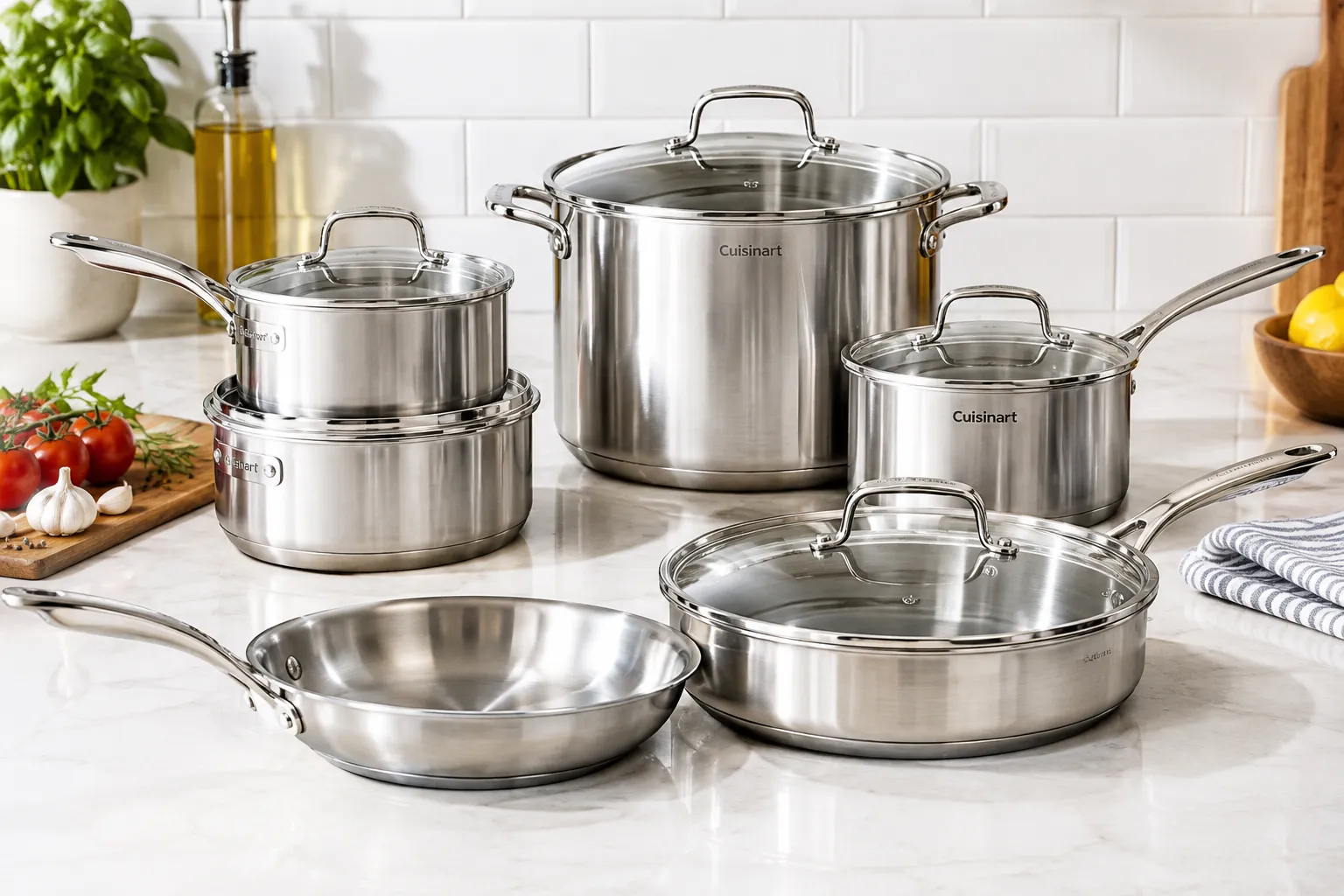
- Stainless Steel: Durable and non-reactive, safe for everyday cooking.
- Ceramic: Free from harmful chemicals and offers a natural, non stick surface.
- Cast Iron: Excellent heat retention and can be seasoned for a natural non stick surface.
- Carbon Steel: Similar to cast iron but lighter; great for high-heat cooking.
- Nonstick Coatings: Look for PFOA-free options to avoid toxic chemicals.
Each of these materials has unique properties that make them suitable for healthy cooking. By understanding their benefits, we can make informed choices that contribute to our culinary adventures!
The Importance of Choosing Nontoxic Cookware
Choosing non-toxic cookware isn’t just a trend; it’s a vital step towards a healthier lifestyle.
When pots and pans are made from safe materials, they don’t leach harmful substances into your food.
This is especially important for families, as children are more susceptible to the effects of toxins.
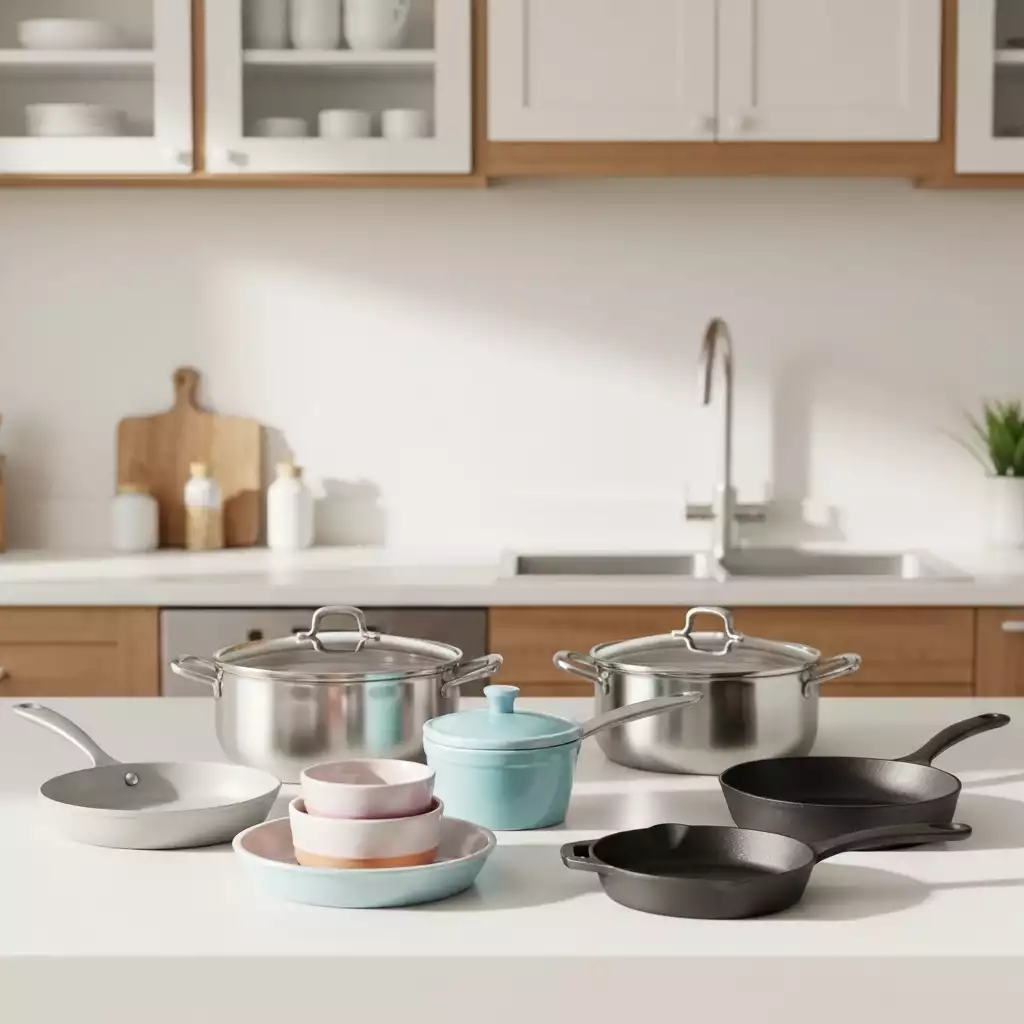
Moreover, non-toxic cookware often performs better in terms of heat distribution and durability. This means your meals not only taste better but are cooked more evenly.
Remember, investing in non-toxic cookware is investing in your health!
Common Materials and Their Health Implications
Let’s look at the most common cookware materials and their implications for our health:
- Aluminum: Often linked to health concerns; opt for anodized or coated versions.
- Non stick (PTFE): Can release toxic fumes at high temperatures; choose PFOA-free options. The National Institutes of Health provide further research on the health effects of PFAS, which are related to certain non stick coatings.
- Copper: Excellent heat conductivity, but can react with certain foods if unlined.
- Glass: Non-reactive and safe; great for baking and microwave use.
Being aware of these materials helps you avoid potential health risks while cooking. Knowledge is power, right? Let’s move on to a comparative analysis of popular cooking pot materials!
Comparative Analysis of Popular Cooking Pot Materials
Now that we’ve covered the basics, let’s take a closer look at some specific materials and their unique benefits. Each type of cookware has its strengths, so knowing which suits your cooking style best is essential.
Benefits of Stainless Steel Cookware
Stainless steel cookware is a top choice for many home chefs! It’s durable, non-reactive, and resistant to scratches, making it perfect for all kinds of cooking. Plus, it often comes with a lifetime warranty, which speaks to its quality.
- Good heat conduction allows for even cooking.
- Easy to clean and dishwasher safe.
- Does not leach chemicals into food.
With stainless steel, you’re not just getting a pot—you’re investing in a long-lasting kitchen tool that promotes healthy cooking!
Why Ceramic Cookware is a Top Choice
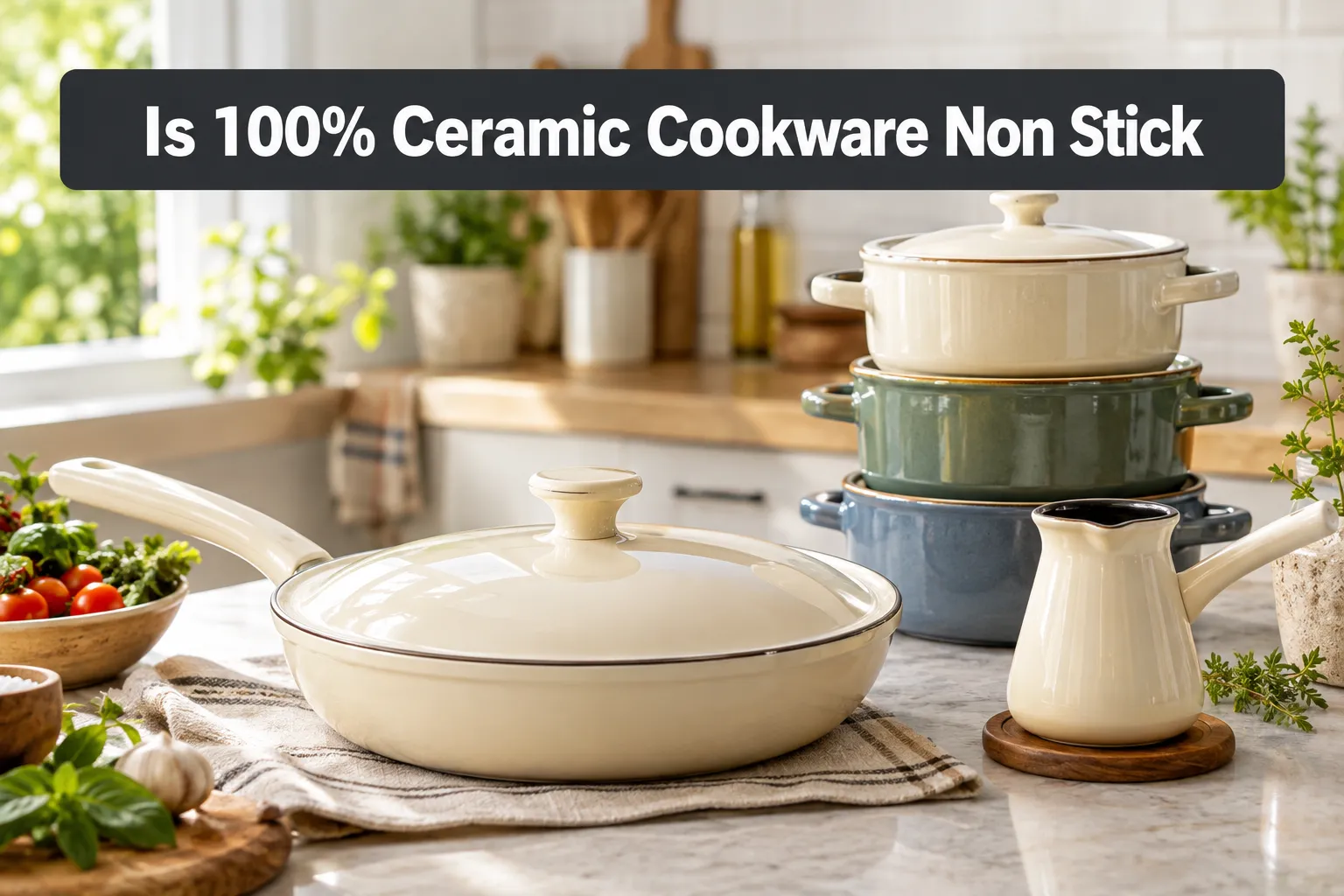
Ceramic cookware has gained popularity due to its beautiful design and health benefits. It’s made from natural materials and is often free from harmful chemicals.
It’s great for those looking for a non stick option without the risks associated with traditional non stick coatings!
- Retains heat well, ideal for slow cooking.
- Completely non-reactive, won’t alter food flavor.
- Available in various colors and designs, adding style to your kitchen.
Choosing ceramic means you can enjoy cooking without worrying about what’s leaching into your food. It’s a win-win!
The Advantages of Cast Iron and Enamelled Cast Iron
Cast iron cookware offers unbeatable heat retention and even cooking. When seasoned properly, it develops a natural non stick surface that enhances with use. Enamelled cast iron is just as functional, with the added benefit of easy cleaning!
- Perfect for high-heat cooking and browning.
- Long-lasting and can be passed down through generations.
- Great for stovetop and oven use.
Using cast iron can elevate your cooking game, providing delicious results each time!
Assessing Carbon Steel and Its Unique Properties
Carbon steel pans are often overlooked, but they are a chef’s secret weapon! They combine the strengths of cast iron with added lightness, making them easy to handle. With proper care, they become non stick over time.
- Great for high-heat cooking and stir-frying.
- Develops a natural non stick surface with use.
- Less heavy than traditional cast iron, but just as durable.
If you’re looking for cookware that can handle anything, carbon steel might be your new best friend in the kitchen!
Exploring the Benefits of Non stick Cookware in Healthy Cooking
Non stick cookware is convenient for easy food release and quick clean up. However, it’s essential to choose the right kind!
Look for PFOA-free products to ensure safety while enjoying the benefits of non stick technology.
- Reduces the need for added fats and oils.
- Great for delicate foods like eggs and pancakes.
- Easy to clean, saving you time on dish duty!
Non stick cookware can make healthy cooking effortless, allowing you to focus on enjoying your meals rather than struggling with clean up.
Understanding the Role of Copper Pots in Cooking Performance
Copper pots are prized for their excellent heat conductivity, allowing for precise temperature control. They can be a bit high-maintenance but offer benefits that serious cooks appreciate.
- Heat up quickly and cool down fast for precise cooking.
- Beautiful appearance that adds elegance to your kitchen.
- Often lined with stainless steel to prevent copper leaching into food.
By incorporating copper cookware into your collection, you can elevate your cooking performance while bringing a touch of sophistication to your culinary space.
Pro Tip
Did you know? When selecting cookware, consider the cooking method you use most often. For instance, stainless steel is ideal for searing and browning, while ceramic is perfect for slow cooking and baking. Tailoring your cookware choices to your cooking style can enhance your culinary experience and lead to healthier meals!
Frequently Asked Questions
Q: Why is choosing non-toxic cookware important for my health?
A: Choosing non-toxic cookware is crucial because it prevents harmful chemicals from leaching into your food, which can negatively impact your overall health. Safe materials ensure your meals remain pure and healthy.
Q: What are the main benefits of stainless steel cookware?
A: Stainless steel cookware is highly durable, non-reactive, and resistant to scratches. It offers good heat conduction for even cooking, is easy to clean, and does not leach chemicals into food, making it a safe choice for everyday use.
Q: Is ceramic cookware truly non stick and safe?
A: Yes, ceramic cookware is generally considered safe and non-toxic, offering a natural nonstick surface without harmful chemicals like PFOA. It retains heat well and is aesthetically pleasing, though its non stick properties might degrade over time compared to traditional non stick coatings.
Q: What are the advantages of cast iron cookware?
A: Cast iron provides excellent heat retention and even cooking. When properly seasoned, it develops a natural non stick surface that improves with use. It is highly durable, long-lasting, and versatile for both stovetop and oven use.
Q: How can I ensure my nonstick cookware is safe?
A: To ensure your non stick cookware is safe, always look for products explicitly labelled “PFOA-free.” These options avoid the harmful chemicals associated with traditional non stick coatings, allowing you to enjoy the benefits of easy food release and quick clean up with reduced health risks.
Making Informed Choices: Your Guide to Healthy Cooking Pots
When it comes to selecting the right cookware for your kitchen, I want to make sure you feel confident in your choices.
Choosing healthy cooking pots means understanding the materials that best suit your cooking style and health needs. Here’s a guide to help you make an informed decision!
Summarizing the Best Options for Healthy Cooking
With so many options available, it’s crucial to focus on materials that promote safe and healthy cooking. Here are the key takeaways on material safety:
- Stainless steel is durable, non-reactive, and great for all types of cooking.
- Ceramic cookware offers a non-toxic non stick surface without harmful chemicals.
- Cast iron provides excellent heat retention and can improve with age!
- Consider carbon steel for its lightweight and versatile cooking capabilities.
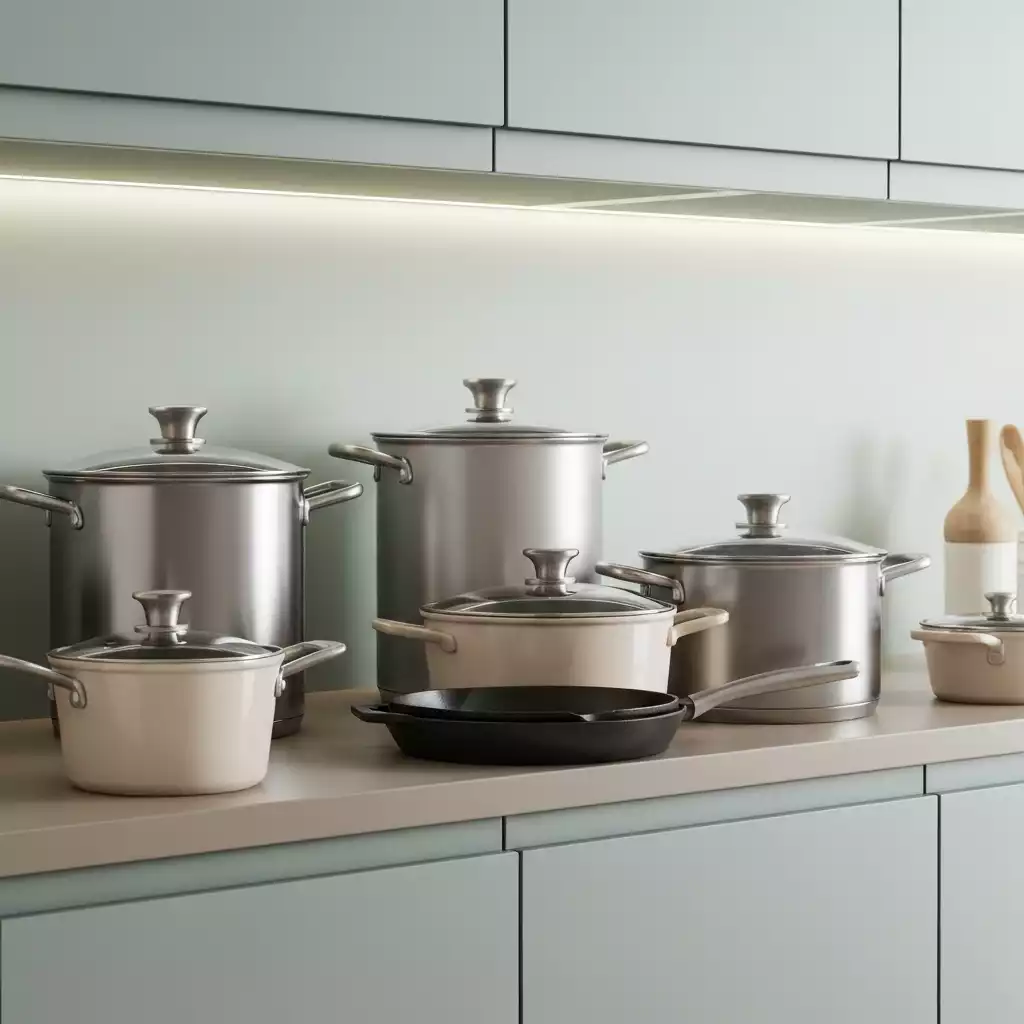
Understanding these materials can help you choose pots that not only last longer but also keep your food safe from harmful substances. Remember, investing in high-quality cookware is a step towards healthier meals!
Key Takeaways on Material Safety
When we think about safety, it’s essential to recognize how different materials can impact our health.
For instance, non-toxic options like ceramic and stainless steel are safer alternatives to traditional non stick coatings that may contain harmful substances. Always check product labels for safety certifications!
Ultimately, the goal is to find cookware that enhances your cooking experience while ensuring your meals are as healthy as possible. Make sure to prioritize material safety to support your culinary adventures!
Final Recommendations of Top Brands
Based on my experience and research, here are some top brands that excel in providing safe and effective cookware:
- GreenPan for innovative non stick solutions.
- Lodge for classic and affordable cast iron options.
- All-Clad for high-performance stainless steel.
- Le Creuset for beautifully crafted Dutch ovens.
These brands are not only well-reviewed but also prioritize health and safety in their manufacturing processes. So, whether you’re sautéing veggies or braising meats, these brands have you covered!
Cooking Techniques for Efficient Meal Prep
Using the right cookware also means employing the right techniques. Here are a few methods to enhance your meal prep:
- Batch cooking: Prepare large quantities and store for later use.
- One-pot meals: Simplify cooking and clean-up while maximizing flavor.
- Using a pressure cooker: Speed up cooking time for healthy dishes.
These techniques not only save time but also help you make the most out of your healthy cooking pots. So, get ready to put these tips into practice!
Comparing Cooking Versatility Across Different Cookware Types
When it comes to versatility, not all cookware is created equal. For example, while cast iron excels in heat retention, stainless steel is fantastic for browning and deglazing. Here’s a brief comparison of how different materials stack up:
- Stainless steel: Great for searing and browning.
- Ceramic: Excellent for slow cooking and baking.
- Cast iron: Perfect for high-temperature cooking and grilling.
- Non stick: Ideal for low-fat cooking and easy clean up.
Understanding the unique properties of each cookware type can help you make the most of your culinary skills.
By mixing and matching, you can expand your cooking repertoire and enjoy a wide range of healthy meals!
Recap of Key Points
Here is a quick recap of the important points discussed in the article:
- Choose Non-Toxic Materials: Opt for cookware made from stainless steel, ceramic, cast iron, and carbon steel to ensure safety and health.
- Prioritize Safety: Avoid materials like traditional non stick coatings and unlined copper that may leach harmful substances into food.
- Invest in Quality Brands: Consider reputable brands like GreenPan, Lodge, All-Clad, and Le Creuset for safe and effective cookware options.
- Utilize Efficient Cooking Techniques: Implement batch cooking, one-pot meals, and pressure cooking to maximize the benefits of healthy cookware.