As you consider enhancing your kitchen with glass bakeware, think about the impact of your choices. Quality bakeware not only influences your cooking but also elevates your culinary experience. Are you ready to discover the essential insights that will help you make informed decisions?
What You Will Learn
- Understanding the differences between borosilicate and tempered glass can help you choose the right bakeware for your cooking style.
- Glass bakeware offers excellent heat distribution, ensuring even cooking for your dishes.
- The non-reactive nature of glass makes it safe for cooking acidic foods without altering their flavors.
- Visual monitoring of your food is easy with glass bakeware, allowing you to check progress without disruption.
- Glass bakeware is versatile, suitable for baking, storing leftovers, and serving meals directly from the oven.
Glass Bakeware: Borosilicate vs. Tempered
This comparison highlights the key differences and benefits of borosilicate and tempered glass bakeware, helping you choose the right type for your kitchen needs.
Borosilicate Glass
- ✔
Heat Resistance: Withstands extreme temperature changes. - ✔
Composition: Silica & boron trioxide. - ✔
Weight: Generally lighter. - ✔
Cost: Often higher due to durability.
Tempered Glass
- ✘
Heat Resistance: More susceptible to rapid temperature changes. - ✔
Process: Undergoes thermal treatment. - ✔
Shock Resistance: Stronger against impacts. - ✔
Cost: Often less expensive.
Understanding Glass Bakeware: A Comprehensive Overview
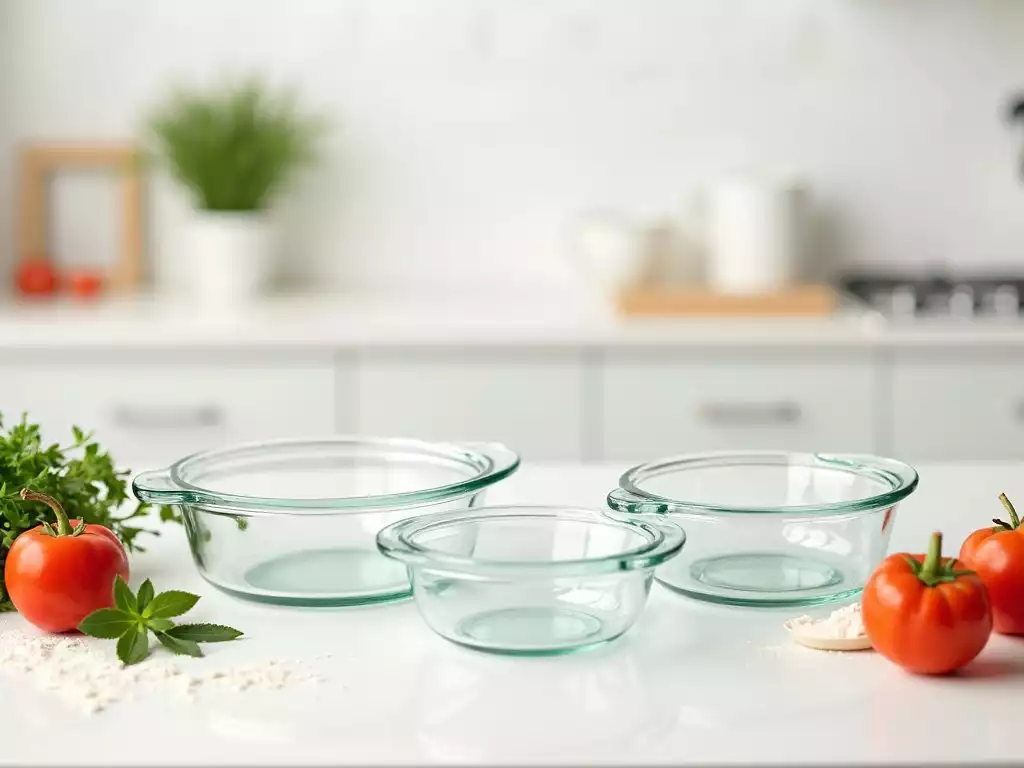
Glass bakeware is a common sight in many kitchens, but do you really know what it’s made of? Understanding the materials behind glass bakeware can help you make the best choices for your cooking needs. Most glass bakeware is crafted from either borosilicate or tempered glass, each offering unique properties that cater to various cooking styles.
Borosilicate glass, known for its durability and resistance to thermal shock, is often favored for oven use. On the other hand, tempered glass is engineered to be stronger than regular glass and is ideal for everyday baking. Choosing the right type for your kitchen can enhance your cooking experience significantly!
What is Glass Bakeware Made Of?
When we dive into the world of glass bakeware, it’s essential to consider the differences in composition. Here’s a closer look at the two primary types:
- Borosilicate Glass: Made with silica and boron trioxide, this type is heat-resistant and less likely to crack under sudden temperature changes.
- Tempered Glass: This kind undergoes thermal treatment, making it stronger and more resistant to impact, although it can be more susceptible to thermal shock than borosilicate.
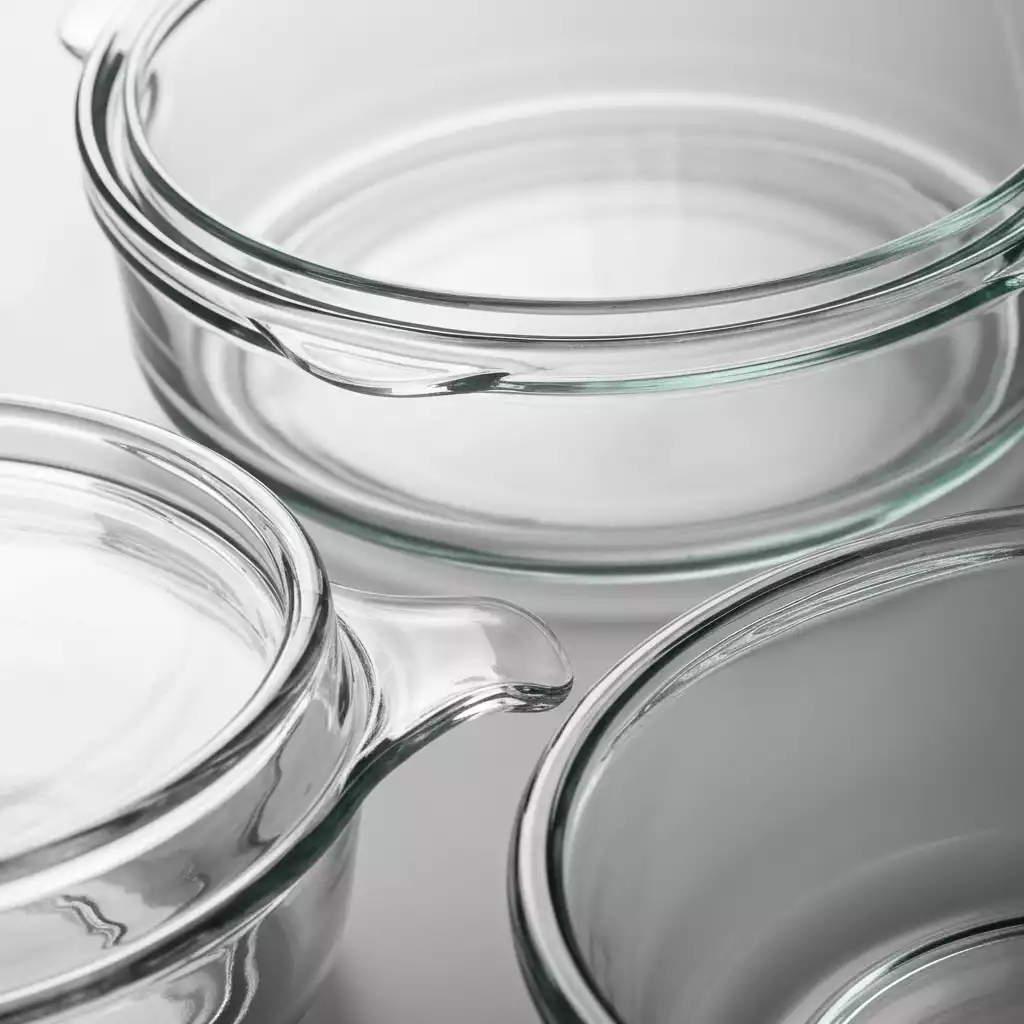
Both materials are excellent choices, but understanding their properties can help you decide what best fits your baking needs. If you’re someone who frequently bakes at high temperatures, borosilicate may be your best bet!
Exploring Borosilicate vs. Tempered Glass
Let’s break down the key differences between borosilicate and tempered glass:
- Heat Resistance: Borosilicate withstands extreme temperature changes.
- Shock Resistance: Tempered glass is designed to withstand impacts but can be more fragile with rapid temperature changes.
- Weight: Borosilicate is generally lighter than tempered glass, making it easier to handle.
- Cost: Tempered glass is often less expensive, while borosilicate may be priced higher due to its durability.
These differences can influence your choice depending on your cooking habits. If you plan on using your bakeware in various cooking scenarios, like baking, roasting, and even serving, understanding these materials will be crucial!
Why Choose Glass Bakeware for Your Kitchen?
There are numerous reasons why glass bakeware should be a staple in your kitchen. From its non-reactive nature to its versatility, glass offers a plethora of benefits. Here’s what makes it stand out:
- Healthier Cooking: Glass is non-reactive, meaning it won’t leach chemicals into your food. This allows for healthier cooking as it preserves the integrity of your ingredients and prevents any transfer of unwanted substances into your meals.
- Visual Appeal: You can easily monitor your cooking progress without lifting a lid or cover.
- Easy Cleanup: Glass bakeware is typically dishwasher-safe, making cleanup a breeze!
By opting for glass bakeware, you can elevate your cooking while ensuring a safer, healthier environment for you and your family. Plus, it’s perfect for serving straight from the oven to the table!
Benefits of Using Glass for Baking and Cooking
The benefits of glass bakeware extend beyond just aesthetics. Here’s a look at some of the primary advantages:
- Even Cooking: Glass allows for even heat distribution, ensuring your dishes cook thoroughly.
- Flavor Preservation: Glass doesn’t absorb food flavors or odors, maintaining the integrity of your ingredients. This non-reactive property is a significant advantage, particularly when compared to other materials like ceramic, as highlighted in this comparison of glass vs. ceramic bakeware.
- Reusability: Unlike disposable bakeware, glass is durable and can last for years with proper care.
Incorporating glass bakeware into your kitchen means investing in quality tools that benefit your cooking and baking. With so many reasons to choose glass, it’s easy to see why it’s a preferred option among many home cooks!
Popular Brands: Pyrex, Anchor Hocking, and CorningWare
As you explore glass bakeware options, you might wonder about the leading brands. Each brand has its unique qualities that appeal to different cooking styles and preferences. Here’s a look at three popular brands:
- Pyrex: Known for its reliable, high-quality borosilicate glass products.
- Anchor Hocking: Offers a wide range of glassware with a focus on durability and design.
- CorningWare: Famous for its versatile bakeware that transitions seamlessly from oven to table.
When choosing a brand, consider your cooking habits and preferences. Each of these brands has a strong reputation and provides excellent options for any kitchen. Personally, I love using Pyrex for its reliable performance across all my baking needs!
Comparing Features and Consumer Ratings
While each brand has its strengths, comparing features can help you make an informed decision. Here’s a quick snapshot of what to consider:
- Durability: Look for reviews on how well the bakeware holds up under extreme conditions.
- Design: Aesthetic appeal can enhance your kitchen and table settings.
- Consumer Ratings: Checking ratings can give insight into the reliability and satisfaction of each product.
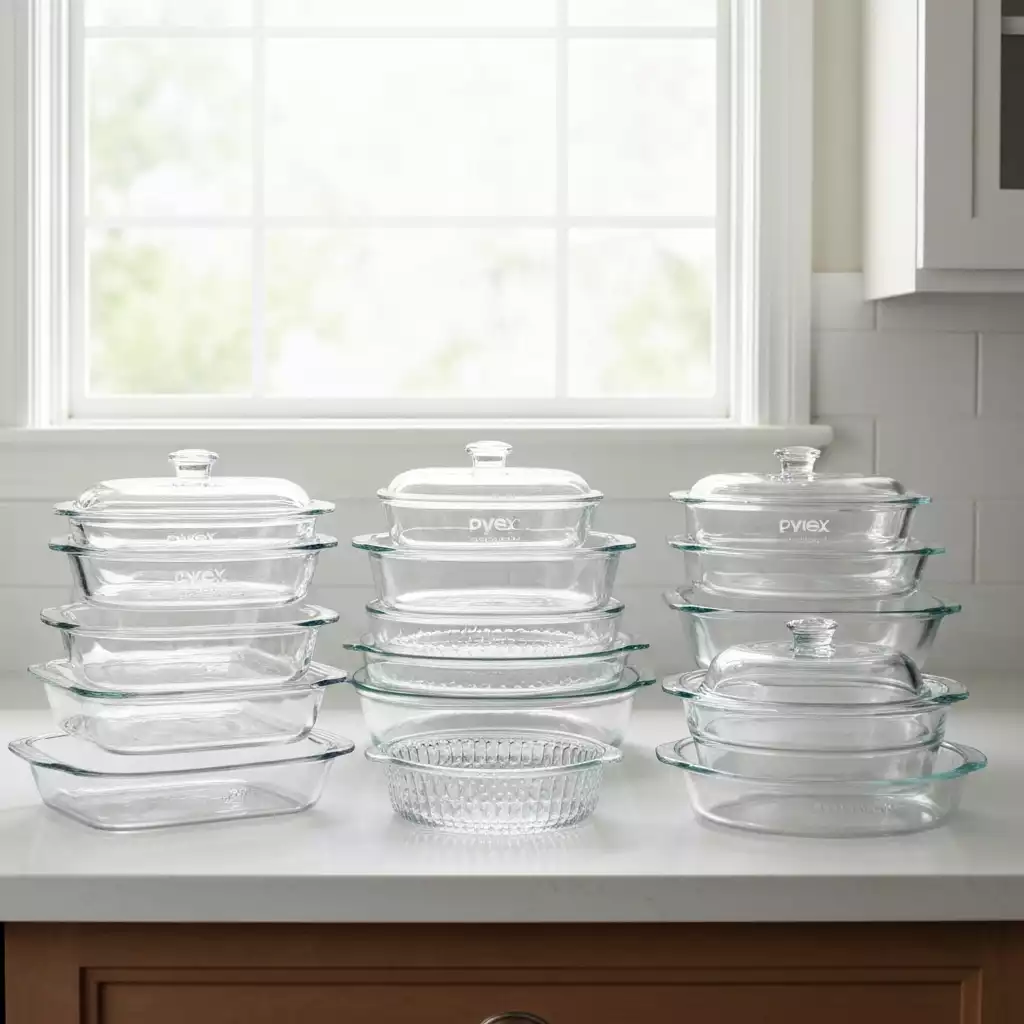
By looking at these features and consumer feedback, you can find the perfect glass bakeware that suits your cooking style and personal taste!
Pro Tip
When selecting glass bakeware, consider investing in a few versatile pieces rather than a large set. A high-quality, medium-sized dish can serve multiple purposes, from baking casseroles to roasting vegetables, making it a practical addition to your kitchen!
Frequently Asked Questions (FAQs)
Your Next Steps with Glass Bakeware
Now that we’ve explored the ins and outs of glass bakeware, it’s time to discuss how you can make the most informed decisions for your kitchen! By understanding the benefits and challenges of glass bakeware, you’ll be better equipped to choose pieces that fit your cooking style and needs.
Let’s recap some of the key takeaways to help you navigate your options and ensure you’re making the best choice.
Summary of Key Takeaways
When considering glass bakeware, it’s essential to balance the pros and cons. Here are some of the standout points to remember:
- Heat Conductivity: Glass bakeware offers excellent heat distribution, making it a favorite for even baking.
- Non-Reactivity: Glass is safe for acidic foods, preserving the flavors and integrity of your dishes. This property has been studied, with research indicating that glass-based materials exhibit low migration of harmful substances, reinforcing its safety for food contact.
- Visual Monitoring: You can easily check on your food as it cooks without disrupting the process!
- Versatility: Beyond baking, glass bakeware is great for storing leftovers and serving meals.
While glass bakeware has numerous advantages, it’s essential to consider potential durability issues and maintenance requirements. By weighing these factors, you’ll be able to make an informed decision!
Balancing Pros and Cons for Informed Decisions
Weighing the pros and cons can help clarify your path forward. Think about your cooking habits, how often you entertain, and whether you prioritize aesthetics and ease of use. This way, you can choose pieces that truly resonate with your kitchen philosophy.
Engaging with the Baking Community
One of the best ways to enhance your experience with glass bakeware is to connect with others in the baking community. Sharing tips, recipes, and experiences can provide you with fresh insights and inspiration!
- Join Online Forums: Platforms like Reddit and baking blogs offer great discussions on best practices.
- Attend Local Workshops: Look for local culinary classes that focus on baking, where you can learn from professionals.
- Follow Social Media Groups: Engage with bakers on platforms like Instagram and Facebook to swap ideas.
By engaging with fellow baking enthusiasts, you can deepen your understanding of using glass bakeware and discover unique ways to enhance your culinary repertoire.
Seeking Advice and Sharing Experiences
Don’t hesitate to ask questions and share your own experiences! The baking community thrives on collaboration and support, so your insights could help someone else navigating the world of glass bakeware.
Considerations for Your Next Purchase
As you gear up to choose glass bakeware, there are a few considerations to keep in mind. It’s not just about picking any piece off the shelf; it’s about finding the right fit for you.
- Size and Shape: Think about your typical recipes and select bakeware that accommodates your needs.
- Brand Reputation: Stick to well-known brands with positive consumer feedback for reliability.
- Material Quality: Look for borosilicate glass for better heat resistance and durability.
Taking the time to assess these factors can lead to a satisfying purchase that serves you well in the kitchen!
Choosing the Right Glass Bakeware for Your Kitchen
Every kitchen is unique, so selecting the right glass bakeware involves understanding your personal cooking style. Whether you’re a casual baker or a culinary experimenter, the right pieces can enhance your cooking experience.
Price Comparison: Finding Cost-Effective Options
Pricing can vary widely when it comes to glass bakeware, so it’s vital to evaluate cost-effective options without sacrificing quality. Here’s how to find good deals:
- Shop Online: Websites often have better prices compared to physical stores.
- Look for Sales: Keep an eye out for seasonal sales and discounts at your favorite retailers.
- Consider Sets: Buying a set can often save you money compared to purchasing items individually.
By doing a little research and shopping around, you can find quality glass bakeware that fits your budget and meets your cooking needs.
Evaluating Value Across Different Brands
Always assess the value you’re getting for the price. Sometimes it’s worth spending a bit more on a reputable brand that guarantees longevity. This way, you’re investing in a kitchen essential that will last for years!
Recap of Key Points
Here is a quick recap of the important points discussed in the article:
- Material Differences: Understand the properties of borosilicate and tempered glass for optimal baking results.
- Health Benefits: Glass bakeware is non-reactive, ensuring healthier cooking without chemical leaching.
- Visual Monitoring: Easily check cooking progress without disrupting the process.
- Versatility: Suitable for baking, serving, and storing leftovers effectively.
- Durability Considerations: Weigh the pros and cons of glass bakeware’s durability when making a choice.