
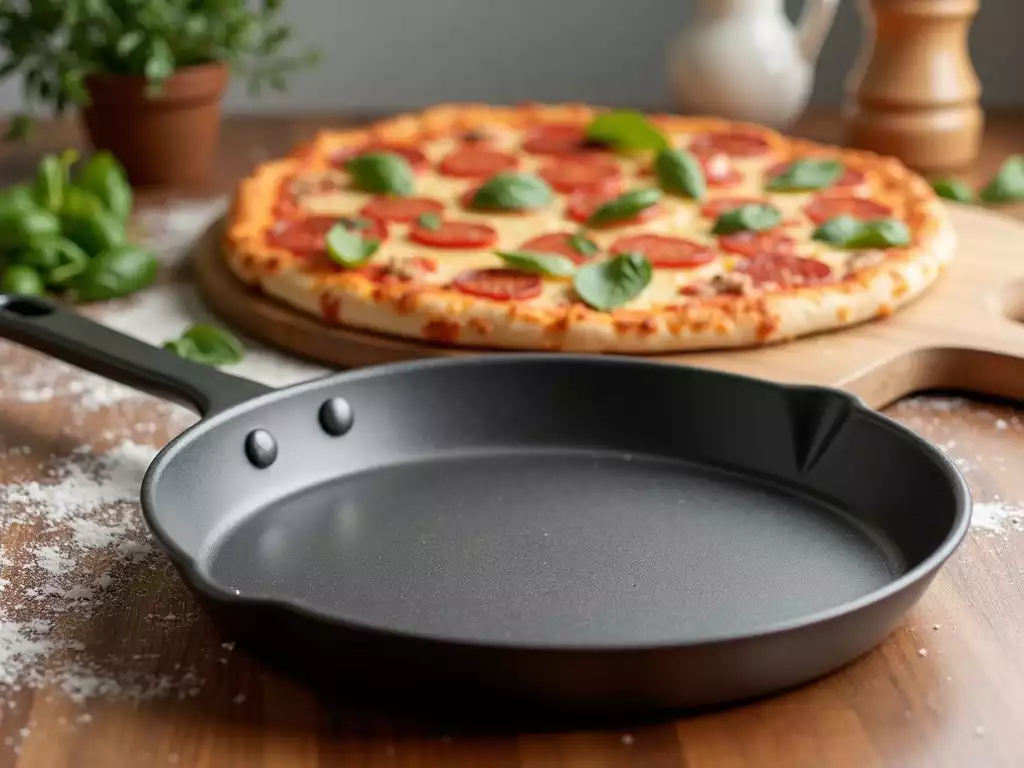
Choosing a Non-Stick Pizza Pan
Choosing the right pizza pan can transform your home cooking experience. With the right equipment, you can achieve that perfect crust and delightful toppings every time!
What You Will Learn
- Carbon steel pans provide superior heat retention and durability compared to aluminum options.
- Non-stick coatings ensure easy release, making pizza removal mess-free and enjoyable.
- Size matters; choosing between 14-inch and 16-inch pans can significantly affect your serving options.
- Perforated pizza pans allow for better airflow, resulting in a crispier crust and enhanced browning.
- PFOA-free non-stick options are essential for safe cooking and health-conscious choices.
- Your pizza pan can be used for various culinary tasks, from baking cookies to reheating meals.
- Proper care and maintenance extend the longevity of your pizza pan and improve performance over time.
- Investing in a quality pizza pan is worthwhile for achieving consistent and delicious results.
Carbon Steel vs. Aluminum Pizza Pans Comparison
Understanding the differences between carbon steel and aluminum pizza pans can help in making an informed decision for your kitchen needs.
Carbon Steel Pans
- •Weight: Heavier
- •Heat Retention: Excellent
- •Durability: Very Durable
- •Price: Higher
Aluminum Pans
- •Weight: Lighter
- •Heat Retention: Good
- •Durability: Less Durable
- •Price: Lower
Choosing the Right Non-Stick Round Pizza Pan for Your Needs
When it comes to making the perfect pizza at home, the right equipment matters. A non-stick round pizza pan is an essential tool that can elevate your cooking experience.
But how do you choose the right one? Let’s dive into the options available and discover what makes a pizza pan truly effective!
In this guide, I’ll share my insights drawn from personal experience and customer feedback to ensure you find the best fit for your kitchen.
After all, I’m passionate about helping you achieve that perfect crust and delicious toppings!
Understanding Non-Stick Materials: Why Carbon Steel Wins
When it comes to non-stick materials, carbon steel is a standout choice. Its durability and heat retention properties make it popular among home cooks and professionals alike. Carbon steel pans heat up evenly, which means your pizza cooks uniformly, giving you that golden-brown crust we all love!
- Excellent heat conductivity
- Durable and long-lasting
- Natural non-stick surface improves with seasoning
Not only does carbon steel provide superior cooking results, but it also stands up to the rigors of regular use. While aluminum pans are lighter and more affordable, they tend to warp over time and may not provide the same quality of cooking.
Benefits of Non-Stick Coatings for Easy Release
One of the biggest advantages of non-stick pizza pans is their easy release feature. When you’re ready to take your pizza out of the oven, a non-stick coating ensures that the crust slides out smoothly. This means less mess and more time enjoying your favorite meal!
Many brands now offer advanced coatings that are not only effective but also safe for you and your family. This makes non-stick options particularly appealing for those who frequently bake at home.
Comparing Carbon Steel vs. Aluminum Pizza Pans
While both carbon steel and aluminum have their merits, I find that carbon steel truly shines in the kitchen. Here’s a quick comparison to illustrate:
| Feature | Carbon Steel | Aluminum |
|---|---|---|
| Weight | Heavier | Lighter |
| Heat Retention | Excellent | Good |
| Durability | Very Durable | Less Durable |
| Price | Higher | Lower |
As you can see, carbon steel may require a bit more investment upfront, but the cooking performance and longevity make it worth every penny!
Why PFOA-Free Non-Stick Options Are Important
Nowadays, many manufacturers offer PFOA-free non-stick pans, ensuring that harmful chemicals are not released during cooking. This is crucial for health-conscious consumers.
When selecting a pizza pan, always check for PFOA-free labels to ensure you’re making a safe choice for your family! For more detailed information on chemicals in cookware and their impact, you can refer to reports from organizations like the Ecocenter.
Also, Consumer Reports has investigated claims on non-toxic cookware, providing valuable insights into what to look for when choosing safe cooking tools, as discussed in their article on trusting non-toxic cookware claims.
Furthermore, understanding the risks associated with certain substances like PFAS is important, and the EPA provides comprehensive information on PFAS and its environmental and health implications.
With various options on the market, it’s easier ever to find a non-stick pizza pan that meets both your cooking needs and health standards.
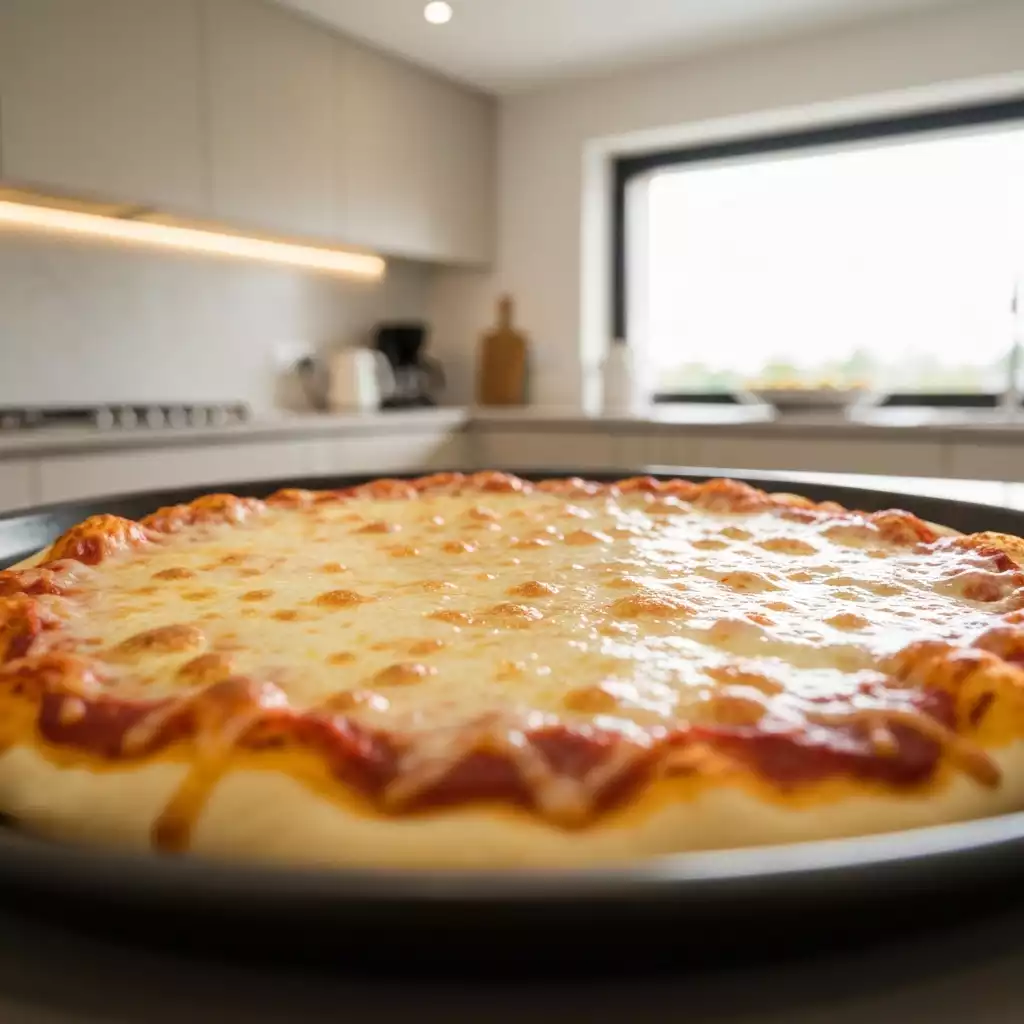
Key Features to Look for in a Pizza Pan
Now that we’ve covered materials, let’s talk features! When choosing a pizza pan, it’s essential to consider the size, design, and heat distribution capabilities. Each of these factors plays a role in how your pizza turns out.
- Size: Choose between 14-inch and 16-inch options based on your typical serving needs.
- Design: Perforated pans can create a crispier crust.
- Heat Distribution: Look for pans that promote even cooking.
These features will not only enhance your baking experience but also help you achieve that delicious, restaurant-quality pizza right in your home oven!
Why Size Matters: 14-Inch vs. 16-Inch Pans
When it comes to pizza, size does matter! A 14-inch pan is great for personal pizzas or smaller gatherings, while a 16-inch pan allows for larger pies that can serve more people.
Think about your typical pizza nights and how many people you usually feed. A larger pan can also be useful for leftovers, giving you the flexibility to make extra for the week!
The Advantage of Perforated Designs for Crispy Crusts
If you love a crispy crust, a perforated pizza pan is your best friend! The holes in the pan allow hot air to circulate, resulting in a beautifully baked bottom and a crust that’s perfectly crunchy.
- Promotes even cooking
- Reduces sogginess
- Enhances browning
For those who appreciate a great crust, investing in a perforated design is well worth it!
Evaluating Heat Distribution for Optimal Baking
Good heat distribution is essential for baking the perfect pizza. A pan that heats evenly helps prevent hot spots and ensures your pizza cooks thoroughly.
When shopping, look for pans made from materials known for their heat retention properties, such as carbon steel. This will help you achieve the best baking results every time.
Multipurpose Uses of Round Pizza Pans
Did you know your round pizza pan can do so much more than bake pizza? With its versatile shape and size, you can use it for a variety of baking tasks!
- Baking cookies and brownies
- Making bread and focaccia
- Reheating frozen pizza
Using your pan for different dishes can save space in your kitchen and make cooking much more efficient!
Beyond Pizza: Baking Cookies and Bread
Round pizza pans are fantastic for baking cookies and bread! The wide surface allows for even spreading and baking. You can also use it for desserts like cookie cakes, giving you that perfect homemade touch.
It’s all about getting creative in the kitchen! I love experimenting with recipes that utilize my pizza pan beyond just pizza, and I encourage you to do the same.
Reheating Frozen Pizza: Tips for Best Results
When it comes to reheating frozen pizza, a non-stick round pizza pan makes the process a breeze. Preheat your oven to ensure even heating, and place the pizza on the pan directly. This will help achieve that nice crisp texture.
Consider placing the pan in the oven while it preheats to get an extra crispy crust. Trust me, your taste buds will thank you!
Utilizing Your Pizza Pan for Artisan Pizza Creations
With a great pizza pan, you can unleash your inner pizzaiolo! Experimenting with different doughs, toppings, and flavors is part of the fun. An artisan pizza can be more than just a meal; it’s a culinary adventure!
Don’t hesitate to try out new ingredients or techniques in your pizza-making process. I always say that the kitchen is the heart of the home, and every great meal starts there!
Frequently Asked Questions About Pizza Pans
- What is the main difference between carbon steel and aluminum pizza pans?
- Carbon steel pans are heavier, offer excellent heat retention, and are very durable, making them a higher-priced but long-lasting option. Aluminum pans are lighter, have good heat retention, but are less durable and typically lower in price.
- Why are PFOA-free non-stick options important?
- PFOA-free non-stick options are crucial because they ensure that harmful chemicals are not released during cooking, making them a safer choice for health-conscious consumers. Always look for this label when purchasing.
- How does a perforated pizza pan benefit the crust?
- A perforated pizza pan has small holes that allow hot air to circulate, promoting even cooking and helping moisture escape. This results in a crispier, beautifully browned crust and reduces sogginess.
- Can I use my round pizza pan for other baking tasks?
- Yes, round pizza pans are versatile and can be used for a variety of baking tasks beyond pizza, such as baking cookies and brownies, making bread and focaccia, or reheating frozen pizza. Their wide surface allows for even spreading and baking.
- What are the best practices for cleaning a non-stick pizza pan?
- To maintain your non-stick pan, allow it to cool after each use. Wash it with warm, soapy water and a soft sponge to gently clean the surface without damaging the coating. Avoid metal utensils and abrasive cleaners to prevent scratches and preserve the non-stick surface.
Care Instructions to Extend the Life of Your Pan
Maintaining your non-stick pizza pan will ensure it serves you well for years to come. Follow these simple care instructions to keep it in tip-top shape!
- Clean with a gentle sponge to avoid scratching
- Avoid metal utensils that can damage the surface
- Store it properly to prevent warping
By following these guidelines, you can enjoy the benefits of your pizza pan without worrying about wear and tear!
Cleaning Tips: Maintaining Non-Stick Surfaces
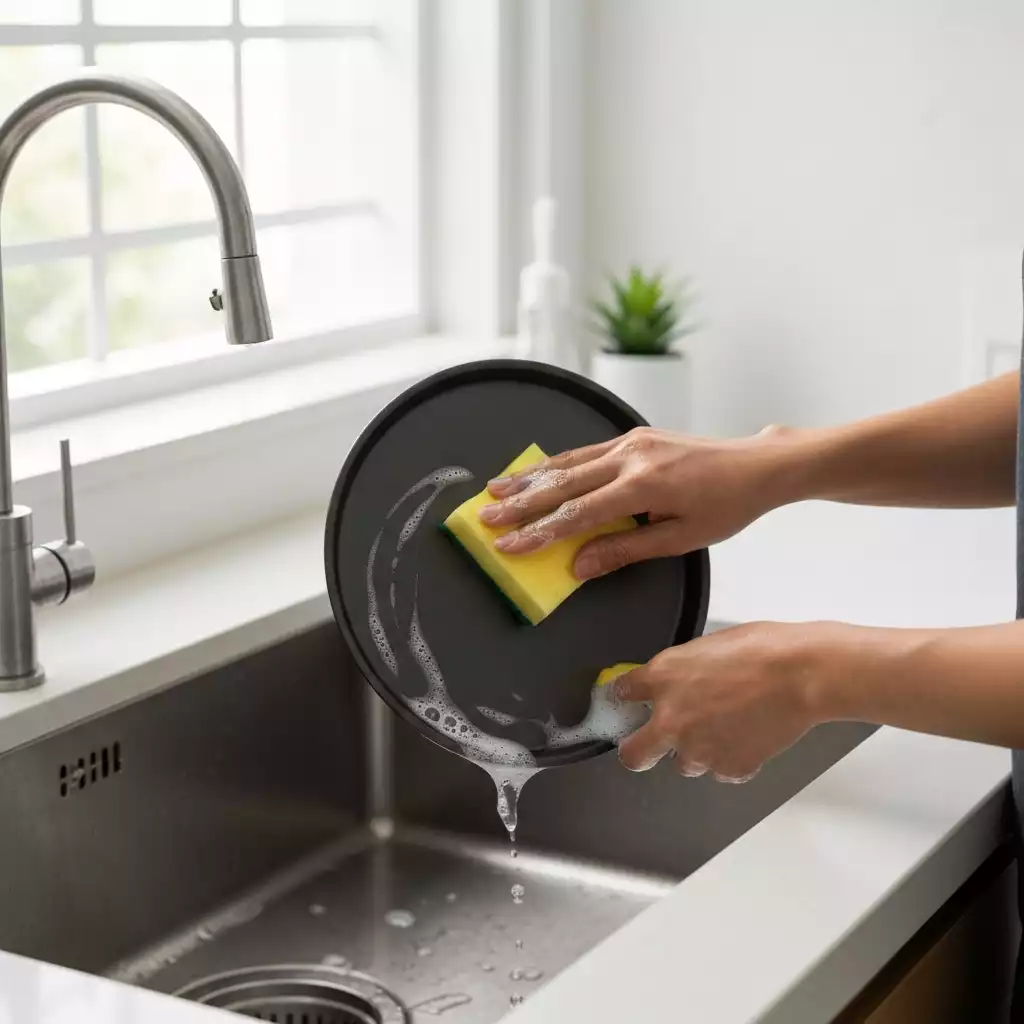
Cleaning your non-stick pan is crucial for its longevity. After each use, allow it to cool before washing. Use warm, soapy water and a soft sponge to gently clean the surface without damaging the coating.
Regular maintenance will prevent buildup and keep your pan performing at its best for all your pizza nights!
Avoiding Warping: Proper Storage Techniques
To prevent warping, always store your pizza pan flat. If you have limited space, consider placing a soft cloth between stacked pans to protect the surfaces. This will help maintain the shape and functionality of your pan.
Taking these small steps can extend the life of your pizza pan and keep your kitchen organized!
Easy Clean Techniques for Busy Home Chefs
As a busy home chef, I understand the importance of easy clean-ups. One trick I love is lining the bottom of the pan with parchment paper before baking. This not only makes for an even easier clean-up but also adds a layer of protection to the pan.
With these techniques, you can focus more on creating delicious meals and less on post-cooking cleaning!
Expert Buying Guide for Non-Stick Round Pizza Pans
Now that you know what to look for in a pizza pan, let’s wrap up with a quick buying guide to help you make an informed decision!
- Consider the size that best fits your cooking needs.
- Look for retailers that offer a solid selection and value.
- Identify heavy-duty options if you’re planning on commercial use.
With this guide, you’ll be well-equipped to choose a non-stick round pizza pan that meets your unique needs and preferences!
Size Comparison: Choosing the Right Diameter for Your Needs
As we’ve discussed, size is critical when selecting your pizza pan. Think about how many pizzas you typically bake at once and how large you want them to be. A 14-inch pan is great for personal use, while a 16-inch pan is ideal for family gatherings.
Make sure to balance your needs with your kitchen space for the best results!
Where to Buy: Best Retailers for Value and Selection
When looking to purchase a non-stick pizza pan, consider shopping at reputable kitchenware stores or online. Some popular retailers include:
- Amazon
- Walmart
- Sur La Table
- Local kitchen supply shops
These options typically offer a variety of brands and styles to fit your budget and baking needs!
Identifying Heavy-Duty Options for Commercial Use
If you’re in the market for a pizza pan that can withstand heavy use, look for heavy-duty options. These pans are designed to handle high heat and frequent use, making them perfect for professional kitchens or avid home cooks.
Check for specifications such as thickness and material quality to ensure durability for your pizza-making adventures!
Pro Tip
Did you know? For an even better pizza crust, consider preheating your pizza pan in the oven before adding the dough. This simple step helps create a crispy bottom and enhances the overall texture of your pizza!
Expert Insights and Recommendations for Selecting Your Pizza Pan
When choosing the perfect non-stick round pizza pan, it’s essential to address any lingering questions you may have. After all, the right pan can make a world of difference in your pizza-making adventures! Let’s dive into some common queries that many home chefs, including myself, often consider.
Addressing Common Questions About Non-Stick Pizza Pans
One of the most frequently asked questions is about the benefits of a perforated pizza pan. These pans feature small holes that allow heat to circulate, promoting a crispy crust that everyone loves. Plus, the ventilation helps moisture escape, ensuring your pizza doesn’t end up soggy.
- Enhanced heat circulation for even baking
- Reduced moisture for a crispier finish
- Quick and easy release of your pizza
Now, on to another important point: how do you know if your pizza pan is oven safe? Most non-stick pizza pans come with a label indicating their maximum oven temperature. Generally, look for pans that can withstand at least 450°F. Always check the manufacturer’s instructions, as this will guide you on safe usage.
What are the Benefits of a Perforated Pizza Pan?
Investing in a perforated pan not only enhances your baking results but also offers easy clean-up. The small holes help grease and crumbs fall through, making your post-pizza party cleanup a breeze!
How Do I Know If My Pizza Pan is Oven Safe?
If you’re unsure whether your pan can go into the oven, consider checking for specific markings or labeling on the bottom. Many brands, like my favorite at [Your Business Name], ensure their products are clearly marked for your convenience.
Can I Use Cooking Spray on Non-Stick Surfaces?
A common concern is whether to use cooking spray on non-stick surfaces. While many non-stick pans are designed to be used without it, a light coat of cooking spray can sometimes enhance the release. Just be sure to use the right kind, as some sprays may contain ingredients that can degrade the non-stick coating over time.
Final Thoughts on Your Pizza Pan Purchase
As you embark on your pizza-making journey, it’s crucial to remember that investing in a quality pizza pan is worth every penny. A durable, well-constructed pan not only enhances your cooking experience but also ensures delicious results for years to come!
- Long-lasting performance for regular use
- Improved cooking consistency
- Better value over time with durable materials
Additionally, when considering the tools to accompany your new pizza pan, think about utensils like pizza cutters, baking mats, and even pizza stones. These items can enhance your overall pizza-making experience, making it easier and more enjoyable to create your favorite dishes!
Why Investing in a Quality Pizza Pan is Worth It
Quality really does matter in the world of cooking, and a good pizza pan can elevate your homemade pies to professional levels.
Exploring Kitchen Utensils That Pair Well with Your Pizza Pan
Don’t forget to explore other kitchen tools that complement your pizza pan. These might include:
- Pizza stones for even heating
- Pizza cutters for perfect slices
- Baking mats to simplify cleanup
With the right pizza pan and accompanying tools, you’ll be well on your way to crafting delicious, homemade pizzas that impress family and friends!
Recap of Key Points
Here is a quick recap of the important points discussed in the article:
- Choose a non-stick round pizza pan made of carbon steel for excellent heat conductivity and durability.
- Look for PFOA-free options to ensure safety during cooking.
- Consider features like size, design (perforated for crispy crust), and heat distribution for optimal baking results.
- Utilize your pizza pan for multipurpose baking tasks beyond just pizza, such as cookies and bread.
- Follow care instructions to extend the life of your pan, including proper cleaning and storage techniques.
- Investing in a quality pizza pan enhances your cooking experience and leads to better results.


One response to “Choosing a Non-Stick Pizza Pan”
[…] we often demonstrate in our workshops, using the right technique can significantly impact the final non stick quality of your pan. With a little practice and understanding, you’ll be well on your way to mastering the seasoning […]