
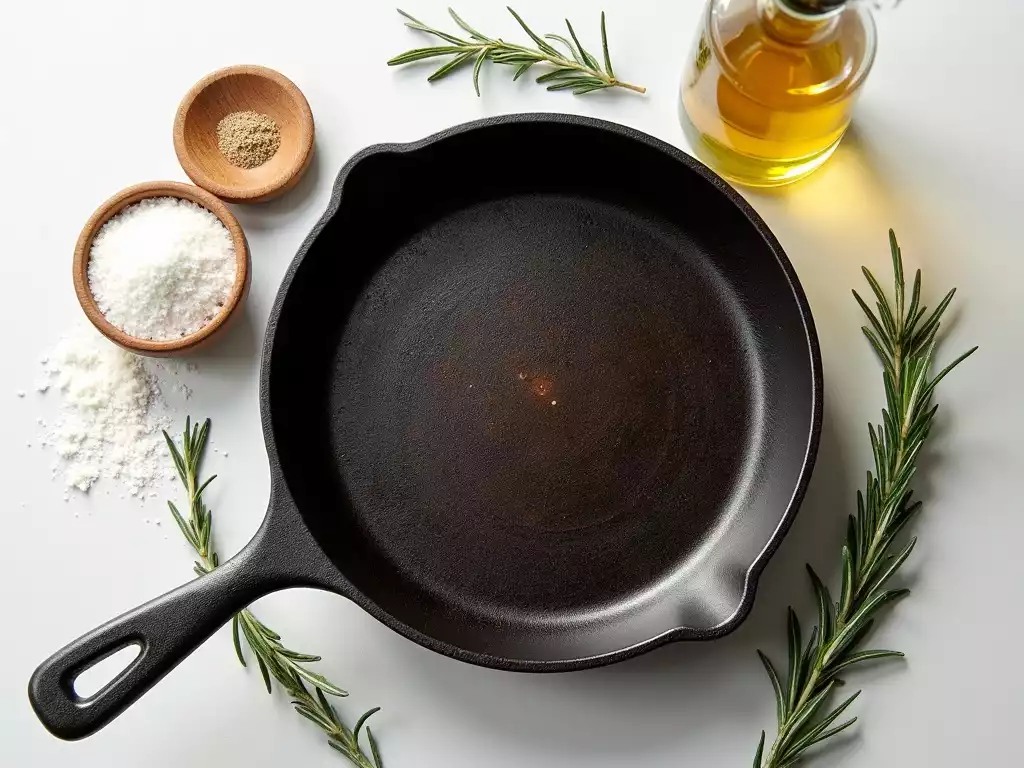
Did you know that the right seasoning technique can significantly enhance the lifespan and performance of your cast iron cookware? Let’s explore the key insights that will elevate your cooking skills!
What You Will Learn
- The science of polymerization transforms liquid oils into a durable, non stick layer on your cast iron cookware.
- Heat plays a critical role in seasoning; understanding oil behaviors at different temperatures will optimize your results.
- Experimentation is essential; try various oils and techniques to discover what works best for your skillet.
- Regular maintenance, such as re-seasoning, can enhance the non stick surface and extend the life of your cookware.
The Science of Cast Iron Seasoning: A Process Flow
Understanding the key steps involved in seasoning transforms liquid oils into a durable, non stick surface.
1. Application & Heating
A thin, even coat of oil is applied and heated to its smoke point.
2. Polymerization Begins
Oil molecules break down and begin to bond together.
3. Hard Layer Formation
A solid, hard, and durable layer forms on the cast iron surface.
4. Nonstick & Rust Resistance
This polymerized layer provides natural non stick properties and protects against rust.
Understanding the Science Behind Cast Iron Seasoning
To truly appreciate the art of seasoning cast iron cookware, it’s important to delve into the science behind it.
The process of seasoning is more than just applying oil; it involves a fascinating transformation that optimizes the cooking surface.
At our shop, we often share how understanding this process not only enhances the performance of your skillet but also extends its lifespan!
When you season your cast iron, you’re not just creating a protective layer; you’re also enhancing its non stick properties. This process is a marriage of chemistry and physics, and it all starts with the oils we use.
What is the Polymerization Process in Seasoning?
At its core, the polymerization process involves the transformation of liquid oils into a solid, durable layer on your cookware. As the oil heats up during the seasoning process, it undergoes a chemical reaction that changes its structure. This is where things get interesting!
- Heating: As the oil reaches high temperatures, it breaks down into smaller molecules.
- Bonding: These molecules then bond together, forming a hard layer that is both non stick and resistant to rust.
- Layering: Each seasoning coat builds upon the last, creating a more robust surface over time.

This polymerization not only secures your food from sticking but also provides a natural barrier against moisture. It’s one of the key reasons why seasoned cast iron can last for generations!
How Heat Transforms Oils into a Non stick Surface
The magic really happens when heat is applied. Different oils behave uniquely under heat, contributing to the seasoning effect in various ways. Understanding this can help you choose the right oil for your needs!
- Temperature Control: The right temperature ensures that the oil polymerizes effectively.
- Smoke Point: Knowing the smoke point of your chosen oil is crucial—this is the temperature at which the oil begins to break down.
- Application Technique: A thin, even coat of oil will yield the best results, so be mindful of your application method!
As we often demonstrate in our workshops, using the right technique can significantly impact the final non stick quality of your pan. With a little practice and understanding, you’ll be well on your way to mastering the seasoning process!
Interactive Poll: Your Favorite Oil for Seasoning
We would love to hear from you! What oil do you prefer to use for seasoning your cast iron cookware? Share your choice below:
Final Thoughts on Your Cast Iron Seasoning Journey
As you venture into the world of cast iron seasoning, remember that it’s all about finding what works best for you. Experimentation is key! Each skillet has its personality, and with practice, you’ll discover the best methods that suit your cooking style.
Don’t be afraid to try different oils, temperatures, and techniques. I encourage you to take notes throughout your seasoning journey.
This way, you can adjust your process based on the results you achieve. Your cast iron skillet can become a cherished kitchen companion, just like mine has!
Encouragement to Experiment and Find Your Ideal Method
Finding the perfect seasoning method can be a delightful process. As I always say, cooking is as much about the journey as it is about the destination! Here are some tips to guide your experimentation:
- Try a variety of oils to see which one gives you the best results.
- Adjust the baking time and temperature based on your oven’s performance.
- Don’t hesitate to re-season more frequently if you feel it needs a touch-up.
With each attempt, you’ll gather insights that will refine your technique. Remember, the goal is a smooth, non stick surface that improves over time. Enjoy the process and embrace each new layer of seasoning!
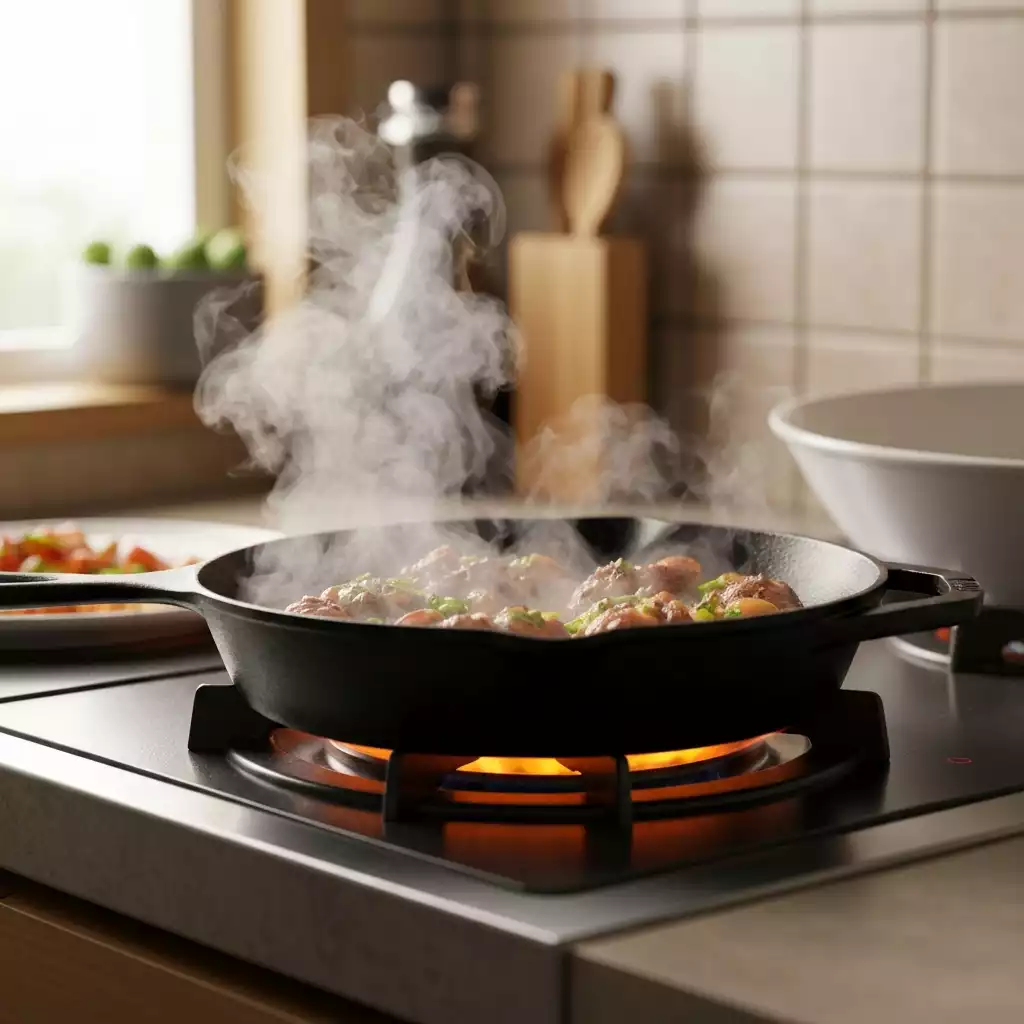
Get More Help and Resources for Cast Iron Care
If you’re looking for additional resources to aid in your cast iron care, you’re in luck! There’s a wealth of information available that can help you maintain and elevate your skillet experience.
Where to Find Video Tutorials and Visual Guides
Sometimes, a visual guide can make all the difference in mastering your skillet seasoning. Here’s where to find some of the best resources:
- YouTube channels dedicated to cooking and cast iron care.
- Cooking blogs that feature step-by-step video tutorials.
- Social media platforms like Instagram and TikTok, where chefs share quick tips and tricks.
Video content can be incredibly informative, providing you with a clear picture of seasoning techniques and maintenance tips.
Frequently Asked Questions: Your Burning Queries Answered
I often receive questions about cast iron seasoning, and I love helping others navigate their challenges. Here are some of the most common queries:
FAQs about Cast Iron Seasoning
- How often should I re-season my cast iron skillet?
- The frequency of re-seasoning depends on how often you use your skillet and what you cook. Generally, if your food starts sticking or you notice dull spots, it’s time for a touch-up. For regular users, a light re-seasoning every few months can be beneficial. For comprehensive guidance on how to season and maintain your cast iron pan, this resource provides useful tips.
- Can I use soap to clean my cast iron?
- Contrary to popular belief, a small amount of mild dish soap can be used on a well-seasoned cast iron skillet without stripping the seasoning. The key is to use it sparingly and ensure you dry the pan thoroughly immediately afterward to prevent rust. Avoid harsh detergents or scouring pads.
- What should I do if my skillet starts to rust?
- If your cast iron skillet shows signs of rust, don’t panic! You can typically restore it. Scrub off the rust using steel wool or a stiff brush, then wash and dry the pan completely. Afterward, apply a thin layer of cooking oil and re-season it in the oven. For a complete guide to cast iron cookware, including rust removal, refer to this detailed article.
- What is polymerization in the context of cast iron seasoning?
- Polymerization is a chemical process where liquid oils, when heated, break down and then bond together to form a hard, plastic-like layer on the surface of the cast iron. This layer creates the non stick surface and protects the iron from rust.
- Why is understanding oil smoke points important for seasoning?
- Understanding oil smoke points is crucial because seasoning involves heating oil past its smoke point to initiate polymerization. If the oil isn’t heated enough, it won’t polymerize effectively. If it’s overheated too much, it can burn and create a sticky, uneven surface.
Addressing these questions can clear up confusion and make cast iron cooking more enjoyable!
Understanding the Benefits of Cast Iron Cookware for Home Cooking
Investing in cast iron cookware is a smart choice for any home cook. The benefits are numerous and can significantly enhance your culinary experiences. Here’s why cast iron is a staple in my kitchen:
- Excellent heat retention for even cooking.
- Ability to develop a naturally non stick surface with proper seasoning.
- Durable and can last a lifetime with proper care.
With these advantages, a well-seasoned cast iron skillet can transform your cooking. I hope this guide has inspired you to embrace your cast iron journey with confidence! Remember, it’s all about enjoying the process as you learn and grow as a cook.
Recap of Key Points
Here is a quick recap of the important points discussed in the article:
- Seasoning cast iron involves a polymerization process that creates a durable, non stick surface.
- Using the right oil with a suitable smoke point is crucial for effective seasoning.
- A thin, even coat of oil improves the final non stick quality of your skillet.
- Experimentation with different oils, temperatures, and techniques is encouraged to find your ideal method.
- Maintaining your cast iron skillet through regular seasoning extends its lifespan and enhances cooking performance.
- Utilize video tutorials and resources for visual guidance on cast iron care and seasoning techniques.
- Address common FAQs to improve your understanding and enjoyment of cooking with cast iron.

3 responses to “Simple Cast Iron Seasoning Guide”
[…] out for: Requires seasoning like cast iron. Also avoid cooking acidic foods frequently—they’ll strip your […]
[…] Look for materials like ceramic, stainless steel, and cast iron. […]
[…] initial seasoning to develop non-stick properties and prevent rust formation—a process similar to cast iron seasoning guide […]