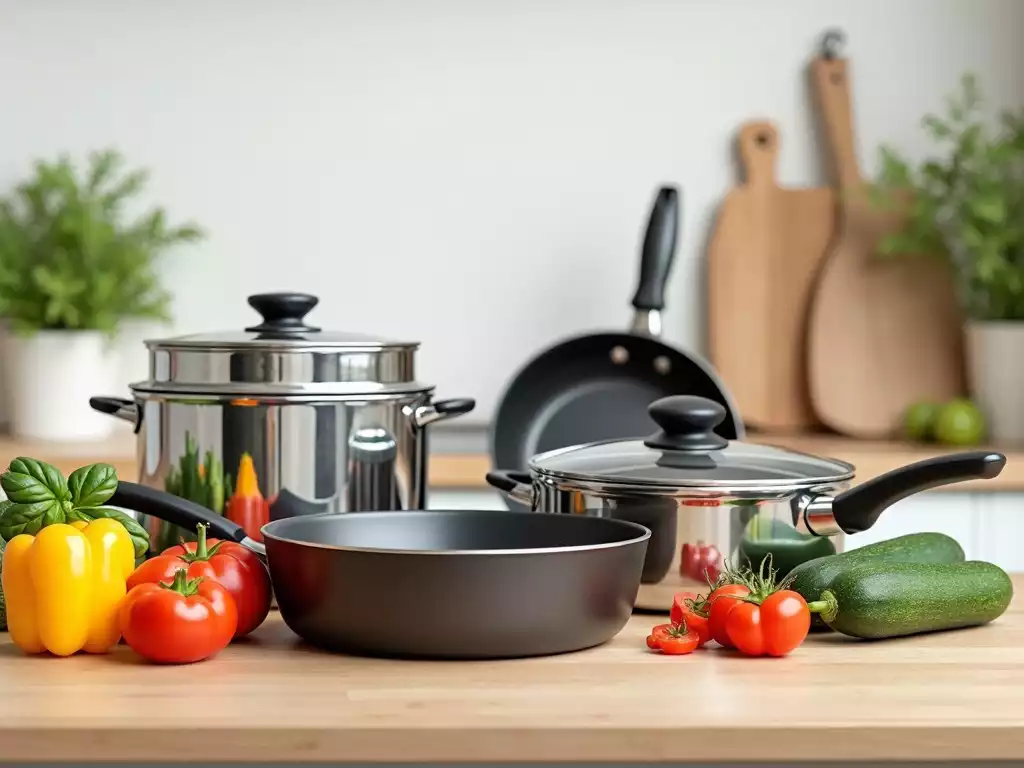
What if your everyday cooking tools could drastically impact your health? By choosing non-toxic cookware, you make a powerful statement about your commitment to well-being and healthier eating habits.
What You Will Learn
- The health risks associated with traditional cookware, including harmful substances like PFAS and heavy metals.
- Key features to look for in non-toxic cookware, such as PFAS-free labels and eco-friendly materials.
- Benefits and considerations of various cookware materials, including ceramic, stainless steel, cast iron, glass, and bamboo.
- How making informed cookware choices can lead to a healthier lifestyle and better nutrient retention in meals.
Comparing Cookware Materials for Health and Safety
This comparison highlights key attributes of different non-toxic cookware materials to help you make informed choices for your kitchen.
Ceramic Cookware
- Safety: Non-toxic, PFAS-free
- Heat Distr.: Good
- Cost: Moderate
- Maint.: Easy, avoid temp. changes
Stainless Steel
- Safety: Safe, durable
- Heat Distr.: Excellent
- Cost: Moderate to High
- Maint.: Simple, dishwasher safe
Cast Iron
- Safety: Safe, iron supplementation
- Heat Distr.: Excellent
- Cost: Moderate
- Maint.: Requires seasoning
Glass Cookware
- Safety: Non-toxic, safe
- Heat Distr.: Good
- Cost: Moderate
- Maint.: Easy, dishwasher safe
Bamboo Cookware
- Safety: Safe, eco-friendly
- Heat Distr.: Good
- Cost: Low to Moderate
- Maint.: Easy, avoid soaking
Understanding the Importance of Non-Toxic Cookware for Healthy Eating
When it comes to our health, the cookware we use plays a crucial role. Traditional cookware, especially certain imported varieties, can release harmful chemicals such as lead and PFAS (per- and polyfluoroalkyl substances), which have been linked to serious health issues.
To learn more about potential risks, you can refer to advisories from the FDA regarding imported cookware.
By understanding the importance of non-toxic cookware, we can make informed choices that promote healthier eating habits.
Using cookware made from safe materials minimizes our exposure to these harmful substances. It’s not just about what we eat but how we prepare it!
Choosing non-toxic options can enhance our well-being and ensure that our meals are as wholesome as possible.
Why Choose Non-Toxic Cookware?
Many people overlook the health risks associated with traditional cookware. For instance, some non-stick pans can release toxic fumes when heated, which can harm not only our health but also the environment.
Switching to non-toxic cookware protects our families from these risks. Information from sources like Healthfinder.gov emphasizes the dangers of certain cookware materials and the benefits of safer alternatives.
- PFAS exposure has been linked to cancer and hormonal disruptions.
- Heavy metals can leach from cookware into food.
- Chemical coatings can degrade and release harmful substances.
By opting for non-toxic alternatives, we can enjoy cooking without the fear of inadvertently introducing toxins into our meals. It’s a simple yet powerful way to prioritize our health!
What to Look for in Healthy Cookware
When shopping for non-toxic cookware, it’s essential to pay attention to specific certifications and features. Look for PFAS-free labels and eco-friendly materials that ensure safety and sustainability.
Knowing what to look for can greatly enhance your kitchen experience! For additional guidance on identifying safer cookware, resources like the Eco-Center’s Healthy Stuff Lab offer valuable insights into common cookware materials.
- Look for materials like ceramic, stainless steel, and cast iron.
- Check for certification seals from organizations like the Environmental Protection Agency.
- Avoid cookware with non-stick coatings that are not labelled as safe.
By understanding these key indicators, you can confidently choose cookware that aligns with your health goals. Remember, the right cookware can make all the difference in your cooking journey!
Types of Cookware Materials and Their Health Implications
Ceramic Cookware: Benefits and Considerations
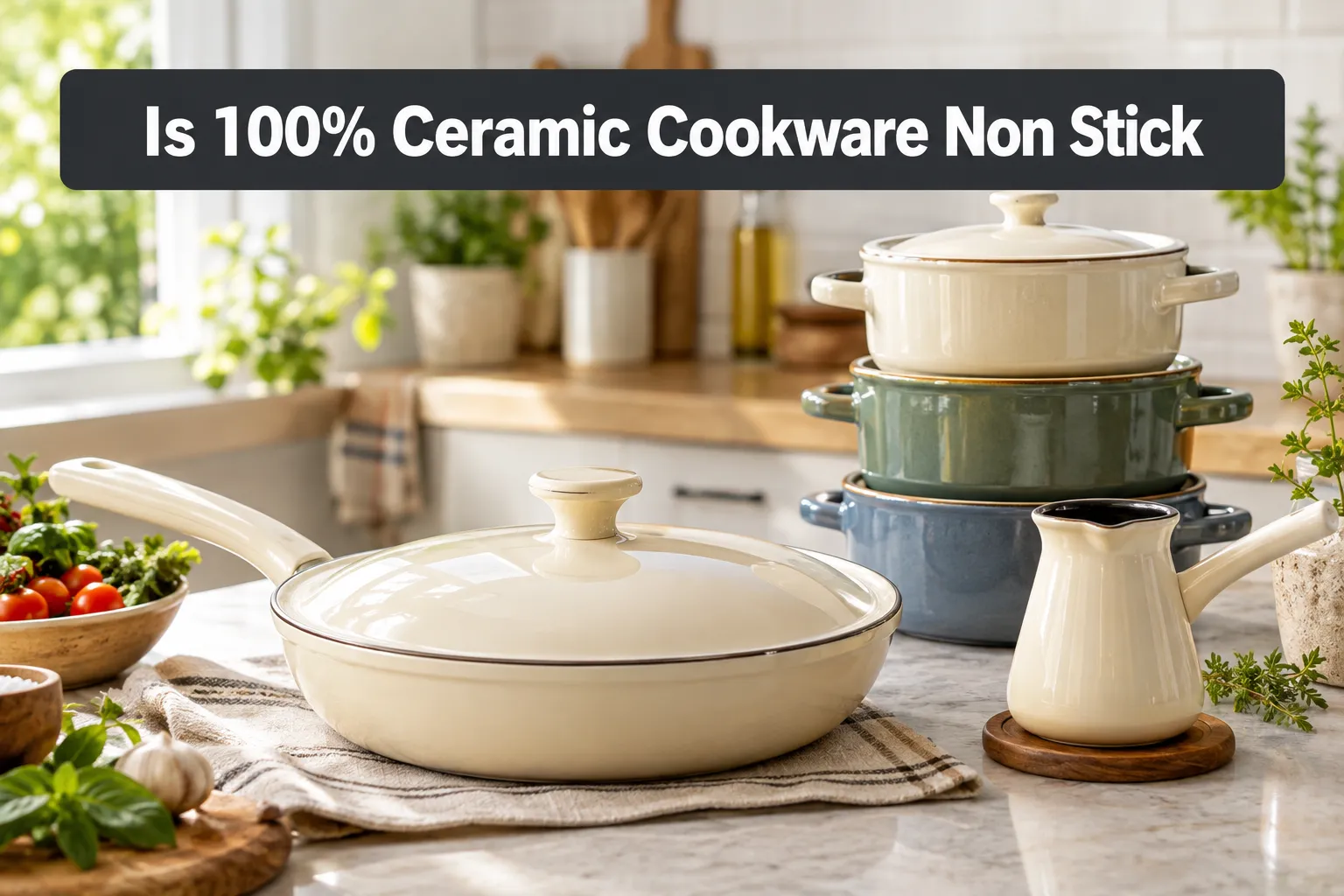
Ceramic cookware is becoming increasingly popular due to its non-stick properties and safety. Made from natural clay, it offers a great alternative to traditional non-stick pans. However, it’s important to maintain it properly to avoid chipping, which can expose the underlying material.
- Non-reactive surface that doesn’t leach chemicals.
- Easy to clean and maintain.
- Available in a variety of colors and styles.
With the right care, ceramic cookware can be a long-lasting and safe option for your kitchen. Just be sure to follow the manufacturer’s guidelines for longevity!
Stainless Steel Cookware: Versatility and Safety
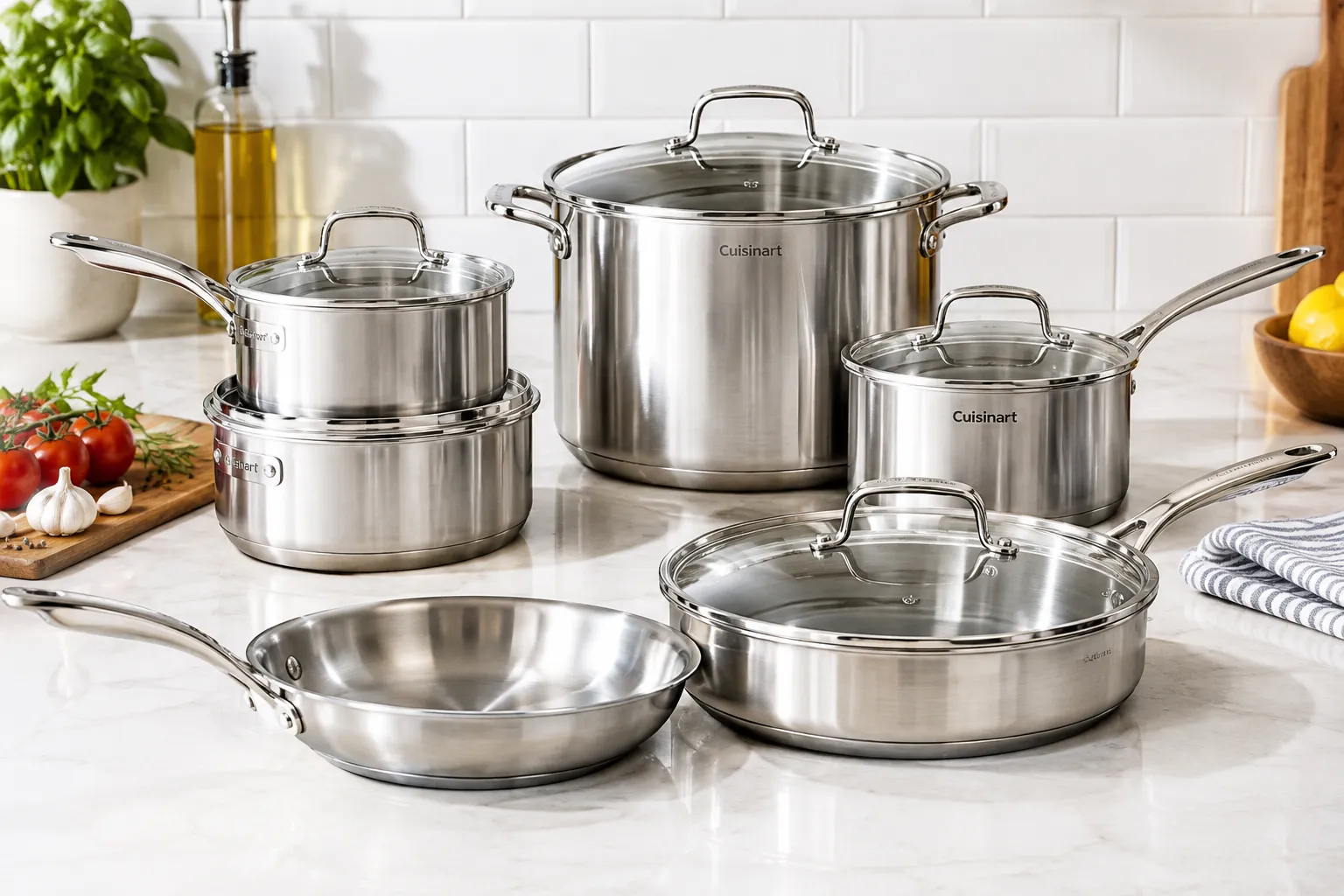
Stainless steel is a durable material known for its versatility in cooking. Many people appreciate its ability to withstand high temperatures and resist rust and corrosion. While some worry about metal leaching, using high-quality stainless steel can mitigate this risk.
- Excellent heat conductivity and distribution.
- Long-lasting and resistant to scratching.
- Safe for various cooking methods, including sautéing and baking.
Choosing stainless steel cookware means investing in a product that will serve you for years to come, allowing you to enjoy cooking without compromise!
Cast Iron: Tradition Meets Health
Cast iron cookware has stood the test of time, proving itself to be both durable and beneficial for health. It naturally adds iron to food, which is particularly beneficial for those with iron deficiencies. Proper seasoning techniques can enhance its non-stick properties as well.
- Retains heat well, ideal for slow cooking.
- Can be used on stovetops or in ovens.
- Requires regular seasoning to maintain its non-stick surface.
Investing in cast iron can not only enhance your cooking skills but also provide nutritional benefits!
Glass Cookware: Safety and Versatility
Glass cookware is a great addition to any kitchen thanks to its non-reactive nature. It’s safe for a variety of cooking methods, from baking to microwaving. As a bonus, glass cookware doesn’t retain odours or stains from previous meals!
- Ideal for slow cooking and baking.
- Safe to use in the oven and microwave.
- Easy to clean and maintain.
With glass cookware, you can enjoy healthy meals without worrying about chemicals leaching into your food. It’s a versatile choice for any home chef!
Bamboo Cookware: An Eco-Friendly Option
Bamboo cookware is gaining popularity for its sustainability and safety features. Being a renewable resource, bamboo provides an eco-friendly option for those looking to minimize their environmental impact. Also, bamboo is naturally antibacterial, making it a safe choice for food preparation.
- Lightweight and easy to handle.
- Durable and resistant to scratches.
- Various styles available, including utensils and cutting boards.
Choosing bamboo cookware not only supports your health but also contributes to a more sustainable planet. It’s a win-win!
Comparing Cookware Materials: A Handy Reference Table
To help you make informed choices, here’s a handy comparison of different cookware materials:
| Material | Safety | Heat Distribution | Cost | Maintenance |
|---|---|---|---|---|
| Ceramic | Non-toxic, PFAS-free | Good | Moderate | Easy, avoid extreme temperature changes |
| Stainless Steel | Safe, durable | Excellent | Moderate to High | Simple, dishwasher safe |
| Cast Iron | Safe, iron supplementation | Excellent | Moderate | Requires seasoning |
| Glass | Non-toxic, safe | Good | Moderate | Easy, dishwasher safe |
| Bamboo | Safe, eco-friendly | Good | Low to Moderate | Easy, avoid soaking |
Using this table as a quick reference can help guide you in selecting the right cookware for your kitchen. With the right choices, healthy cooking can be enjoyable and effortless!
Frequently Asked Questions (FAQs) About Non-Toxic Cookware
- Q: What are PFAS and why are they harmful in cookware?
- A: PFAS (per- and polyfluoroalkyl substances) are a group of synthetic chemicals often used in traditional non-stick coatings. They are harmful because they have been linked to serious health issues, including cancer, hormonal disruptions, and immune system problems.
- Q: How can I identify non-toxic cookware?
- A: Look for cookware explicitly labelled “PFAS-free,” “PFOA-free,” and “PTFE-free.” Materials like ceramic, stainless steel, cast iron, and glass are generally considered non-toxic. Certifications from reputable organizations can also indicate safety.
- Q: Is cast iron cookware truly safe, given it can leach iron?
- A: Yes, cast iron is considered safe and can even be beneficial. The small amounts of iron that leach into food from cast iron can supplement dietary iron intake, which is particularly helpful for individuals with iron deficiencies. Proper seasoning also creates a natural non-stick surface.
- Q: What are the main benefits of switching to non-toxic cookware?
- A: The main benefits include reducing exposure to harmful chemicals, promoting better nutrient retention in meals, and contributing to overall long-term health and well-being for you and your family.
- Q: Are there any eco-friendly non-toxic cookware options?
- A: Yes, bamboo cookware is an excellent eco-friendly option. It’s a renewable resource, naturally antibacterial, and lightweight. Glass cookware is also a sustainable and non-reactive choice.
Pro Tip
Did you know? When searching for non-toxic cookware, look for brands that are certified by reputable organizations such as the Environmental Protection Agency (EPA) or the American National Standards Institute (ANSI). These certifications ensure that the products meet stringent safety and environmental standards, giving you peace of mind as you cook for yourself and your family.
Summarizing the Importance of Healthy Cookware Choices
Choosing non-toxic cookware is more than just a trend; it’s a significant step towards better health. As I’ve learned through my own cooking journey, the materials we use in the kitchen can greatly impact our overall wellness.
When we opt for cookware free from harmful chemicals like PFAS, we’re not only safeguarding our meals but also promoting a healthier lifestyle for ourselves and our families!
Every time we cook with safe materials, we’re helping to reduce the risk of harmful substances leaching into our food. This conscious choice fosters a more nourishing environment in our kitchens and, ultimately, enhances our well-being.
Remember, what we eat is important, but how we prepare it matters just as much!
- Protects against harmful chemicals in food.
- Promotes better nutrient retention.
- Contributes to long-term health benefits.
As you consider your kitchen options, it’s wise to reflect on how these healthier choices can lead to improved meals and a more vibrant life. Let’s embrace the positive changes that non-toxic cookware can bring into our homes!
Take Action: Choose Healthier Cookware Today
It’s time to take charge of your kitchen! I encourage you to evaluate the cookware currently in your cabinets and consider how it aligns with your health goals. Look for non-toxic alternatives that match your cooking style and needs. It’s all about making informed choices that prioritize health!
To help you make that shift, here are some resources you might find useful:
- Online retailers specializing in non-toxic cookware.
- Local health food stores that offer eco-friendly options.
- Blogs and forums discussing safe cooking practices.
By prioritizing health in your kitchen choices, you’re making a commitment to your well-being and that of your loved ones. Let’s embrace these steps towards a healthier lifestyle together, one meal at a time! Happy cooking!
Recap of Key Points
Here is a quick recap of the important points discussed in the article:
- Opt for non-toxic cookware to reduce exposure to harmful chemicals like PFAS.
- Choose materials such as ceramic, stainless steel, cast iron, glass, and bamboo for safer cooking.
- Look for certifications and labels indicating that cookware is PFAS-free and eco-friendly.
- Maintain cookware properly to ensure longevity and safety, especially with materials like ceramic and cast iron.
- Evaluate your current cookware and make informed choices that align with your health goals.

5 responses to “Cookware for Healthy Cooking Choices”
[…] cookware with non-slip handles can truly make your cooking experience more enjoyable. The peace of mind that comes from knowing you have a solid grip is […]
[…] in copper cookware can elevate your cooking techniques and significantly improve your kitchen […]
[…] These advances align with evolving product safety guidelines and consumer demands for cookware free of PFAS risks, addressing health-conscious bakers’ concerns about cookware for healthy cooking choices. […]
[…] those prioritizing environmental considerations across their kitchen, exploring cookware for healthy cooking choices provides additional perspective on sustainable […]
[…] isn’t just marketing speak, it’s a fundamental shift toward cookware for healthy cooking choices that prioritize long-term wellness over short-term […]