What You Will Learn
- Oven-safe baking dishes are durable and can withstand high temperatures, making them ideal for various recipes.
- These dishes offer versatility, suitable for baking, roasting, and broiling, enhancing your cooking options.
- Look for key features such as material, handling ease, temperature resistance, and non-stick surfaces to ensure quality bakeware.
- Consider the size and shape of baking dishes based on your cooking needs and storage space to make an informed choice.
- Understanding heat conductivity and durability will help you select bakeware that enhances your culinary creations.
Essential Bakeware Features and Materials
This visual outlines the critical features to consider when selecting durable bakeware and the benefits of different materials.
Key Features for Durable Bakeware
- ✓
Material: Ceramic, glass, or cast iron for heat retention.
- ✓
Ease of handling: Comfortable and safe grips.
- ✓
Temperature resistance: Withstands high heat, even broiling.
- ✓
Non-stick surfaces: For easier food release and cleanup.
#bakeware-visual-container article:hover { transform: translateY(-5px); }
Durable Bakeware Materials
- •
Ceramic: Even cooking, beautiful presentation.
- •
Cast Iron: Exceptional heat retention, lasts a lifetime.
- •
Glass: Monitor food, but cautious with temperature extremes.
- •
Stoneware: Durable for slow cooking, avoid sudden temperature changes.
Understanding the Benefits of Oven-Safe Baking Dishes
When it comes to baking, the right tools can make all the difference. Oven-safe baking dishes are a staple in any kitchen, offering versatility and durability for a variety of recipes.
Choosing the right bakeware not only enhances your cooking experience but also ensures that your culinary creations come out perfectly every time!
One of the key benefits of using oven-safe baking dishes is their ability to withstand high temperatures without cracking or warping.
This means you can confidently bake casseroles, roasts, and desserts without worrying about your dish failing under heat.
Plus, many of these dishes are designed to transition seamlessly from the oven to the table, making them both functional and aesthetically pleasing!
For more information on the safe use of cookware, including baking dishes, you can refer to guidelines from Health Canada.
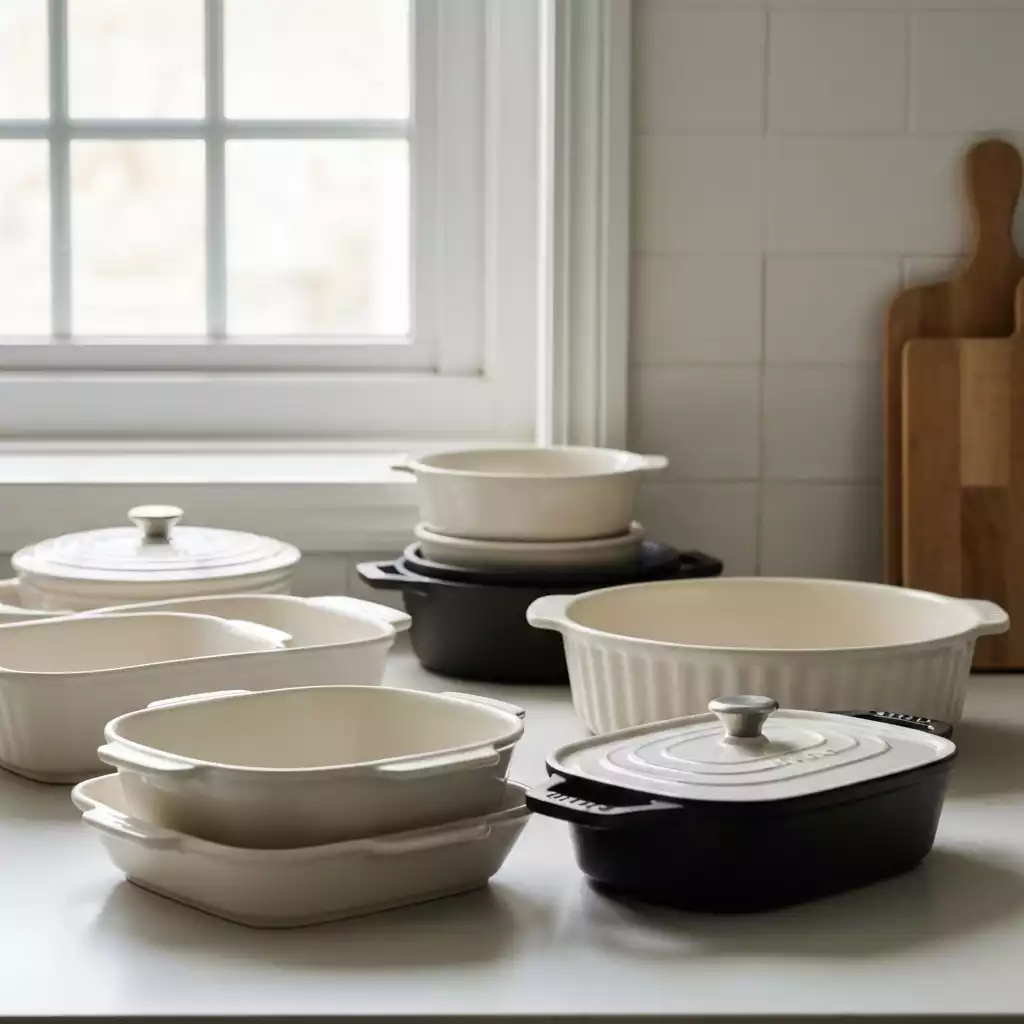
Why Choose Oven-Safe Baking Dishes for Your Kitchen?
Oven-safe baking dishes are an essential investment for any home cook. First and foremost, they offer a wide range of cooking possibilities.
You can use them for everything from baking bread to preparing lasagna. Here are some compelling reasons to consider:
- Durability: Designed to last, oven-safe dishes resist chipping and cracking.
- Versatility: Suitable for a variety of cooking methods, including baking, roasting, and even broiling.
- Ease of cleaning: Many oven-safe dishes are dishwasher-safe, making cleanup a breeze!
- Aesthetic appeal: Beautiful designs that can go from oven to table.
In addition, I love how these dishes can enhance flavors through even heat distribution, helping you achieve that perfect golden-brown crust or caramelized top on your favorite dishes. With the right bakeware, the culinary possibilities are endless!
Key Features to Look for in Durable Bakeware
When searching for durable bakeware, it’s important to pay attention to specific features that can enhance your cooking experience. Here are the key attributes to consider:
- Material: Look for materials like ceramic, glass, or cast iron that are known for their heat retention and durability.
- Ease of handling: Handles and grips should be designed for comfort and safety, especially when removing hot dishes from the oven.
- Temperature resistance: Ensure that the bakeware can withstand high temperatures, especially if you plan to use it for broiling. For insights into bakeware facts and material properties, Anchor Hocking provides valuable information.
- Non-stick surfaces: Consider bakeware with non-stick coatings for easier food release and cleanup.
By focusing on these features, you’ll choose bakeware that not only meets your cooking needs but also lasts for years. I always emphasize the importance of investing in quality bakeware—trust me, it pays off in the long run!
Did you know? When selecting your oven-safe baking dishes, consider investing in a set that includes various sizes. This versatility allows you to tackle a wide range of recipes, from individual servings to family-sized casseroles, all while ensuring that you have the right dish for any occasion!
Making the Right Choice for Your Baking Needs
Choosing the perfect oven-safe baking dish can feel overwhelming, especially with so many options on the market. To make the decision easier, I encourage you to consider a few essential factors before making your purchase.
This ensures that you’re picking bakeware that not only looks great in your kitchen but also enhances your cooking experience!
First, think about the size and shape of the dishes you need. Will you be baking for a small gathering or a large family feast? Additionally, consider how much storage space you have. Sometimes, a nesting set can be a great solution to save space!
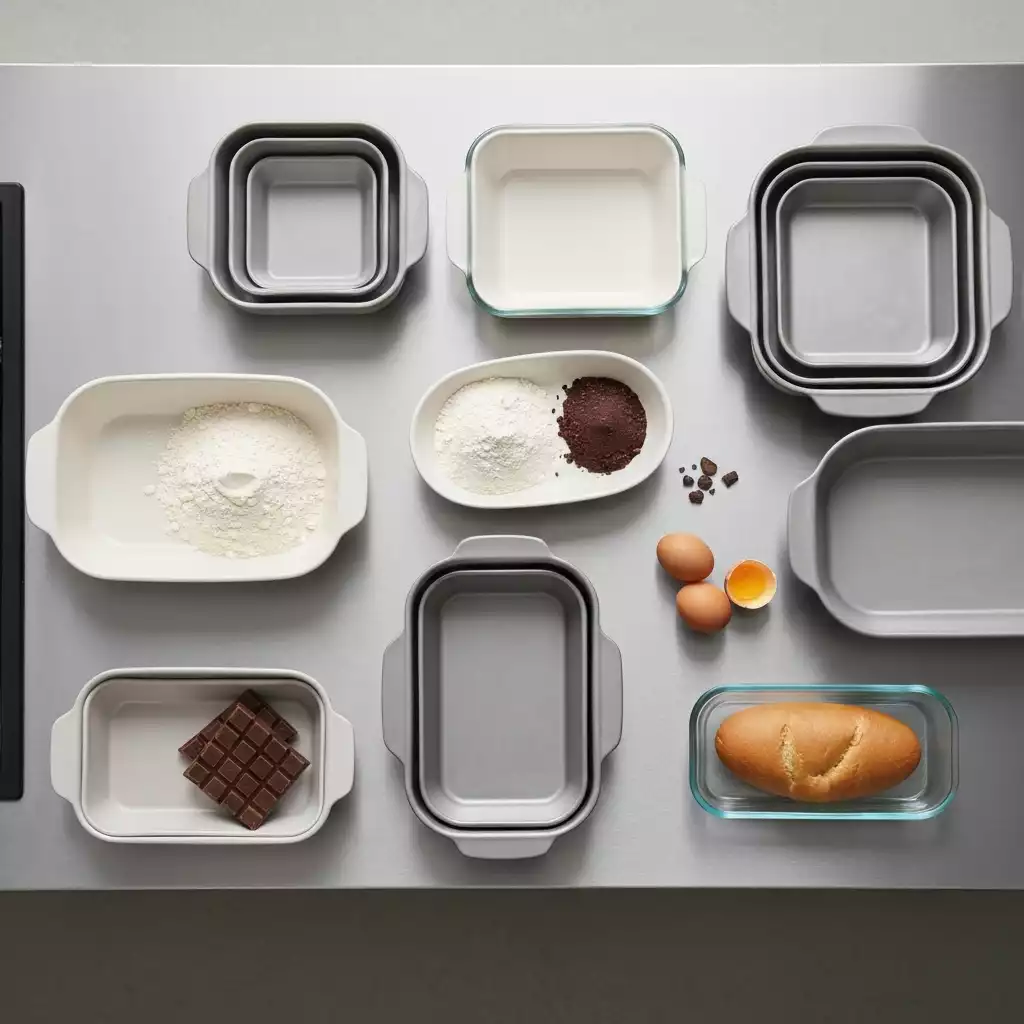
Evaluating Your Options: Factors to Consider Before Buying
When evaluating your options for oven-safe baking dishes, here are some important factors to consider:
- Material: Different materials offer various benefits. For example, ceramic is great for even heating, while glass allows you to monitor your food without lifting the lid.
- Size: The dimensions of the baking dish matter! Make sure they fit in your oven and suit your cooking needs.
- Weight: Heavier dishes tend to retain heat better, which can be beneficial for certain recipes.
- Non-Stick Coating: If you enjoy easy clean-up, consider options with non-stick surfaces.
Taking the time to weigh these factors will help you make a more informed choice, ensuring that your bakeware complements your cooking style!
Understanding Heat Conductivity and Durability in Bakeware
Heat conductivity is crucial when selecting oven-safe dishes. Different materials distribute heat in unique ways.
For instance, cast iron is known for its exceptional heat retention but takes longer to heat up, while glass heats quickly but can be prone to breaking if subjected to sudden temperature changes.
To ensure durability, look for dishes that are resistant to scratches and chips, especially if you plan to use metal utensils. For added peace of mind, here are some durable materials to consider:
- Ceramic: Excellent for even cooking and beautiful presentation. For maintenance tips and care instructions for ceramic bakeware, refer to resources like KitchenAid’s Ceramic Bakeware Use and Care guide.
- Cast Iron: Ideal for both stovetop and oven use, plus it lasts a lifetime!
- Glass: Great for monitoring food as it cooks, but be cautious of temperature extremes.
- Stoneware: Durable and great for slow cooking; just avoid sudden temperature changes.
Understanding these aspects can guide you in choosing bakeware that will serve you well for years to come, aligning perfectly with your baking needs!
Recap of Key Points
Here is a quick recap of the important points discussed in the article:
- Oven-safe baking dishes are durable and can withstand high temperatures without cracking.
- They offer versatility for various cooking methods, such as baking, roasting, and broiling.
- Key features to look for include material (ceramic, glass, cast iron), ease of handling, and non-stick surfaces.
- Consider size and weight to ensure compatibility with your cooking needs and oven space.
- Understanding heat conductivity can help you select bakeware that retains heat effectively and enhances your dishes.
Frequently Asked Questions About Oven-Safe Baking Dishes
What makes a baking dish “oven-safe”?
An oven-safe baking dish is made from materials like ceramic, glass, or cast iron that can withstand high temperatures without cracking, warping, or compromising food safety. These materials are designed for durability and even heat distribution in the oven.
What are the main benefits of using oven-safe baking dishes?
The main benefits include their durability, versatility for various cooking methods (baking, roasting, broiling), ease of cleaning (many are dishwasher-safe), and aesthetic appeal, allowing them to go directly from oven to table. They also help enhance flavors through even heat distribution.
What key features should I look for when buying durable bakeware?
Key features to consider include the material (ceramic, glass, cast iron for heat retention), ease of handling (comfortable and safe grips), temperature resistance (ability to withstand high heat for baking and broiling), and non-stick surfaces for easier food release and cleanup.
How do different materials affect heat conductivity in bakeware?
Different materials conduct heat differently. Cast iron offers exceptional heat retention but takes longer to heat up. Glass heats quickly but is sensitive to sudden temperature changes. Ceramic provides excellent, even cooking and heat distribution.
What types of bakeware materials are recommended for durability?
For durability, ceramic, cast iron, glass, and stoneware are highly recommended. These materials are known for their robust nature, resistance to scratches and chips, and ability to withstand repeated use over time.

2 responses to “Oven Safe Baking Dishes Explained”
[…] Baking in Dutch ovens or round baking vessels […]
[…] Is it safe to cut food in ceramic baking dishes? […]