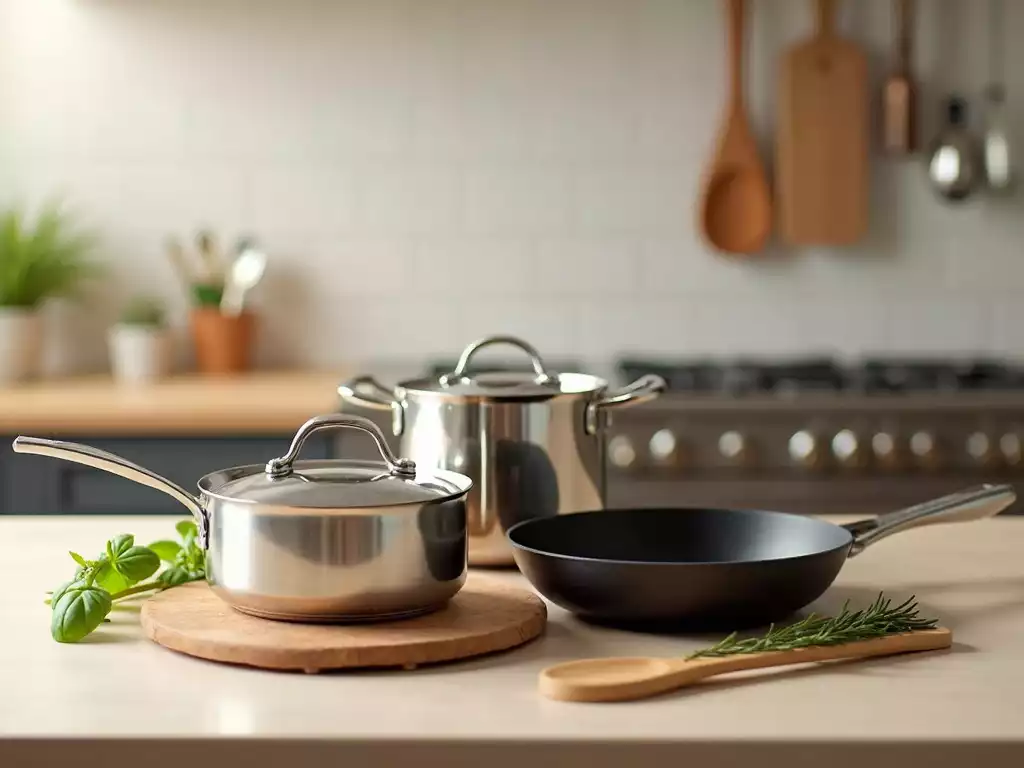
Choosing the right cookware can transform your cooking experience, especially for beginners eager to explore the culinary world. With the right tools at your disposal, you’ll not only enhance your skills but also enjoy the journey of creating delicious meals.
What You Will Learn
- Understand the importance of material quality in durable cookware, with options like stainless steel and cast iron.
- Learn how proper construction enhances heat distribution for better cooking results.
- Identify essential cookware pieces every beginner should have in their kitchen.
- Discover maintenance tips to prolong the lifespan of your cookware.
Cookware Material Comparison
Understanding the pros and cons of different cookware materials is essential for any beginner cook. This comparison highlights key features to help you choose the best tools for your kitchen.
Stainless Steel
- Durable, rust & stain resistant
- Non-reactive with acidic foods
- Easy maintenance
- No nonstick properties (needs oil)
Reliable & Versatile
Cast Iron
- Incredible heat retention
- Even cooking
- Natural nonstick (with seasoning)
- Requires more maintenance
Timeless & Tough
Nonstick
- Ease of use, food slides off
- Less oil needed, easy cleanup
- Simplifies cooking for beginners
- Requires careful handling (no metal utensils)
Convenience & Care
Hard-Anodized Aluminum
- Durable, excellent heat distribution
- Even cooking, prevents hot spots
- Lighter than cast iron
- Often more expensive
Strength & Performance
Understanding Durable Cookware for Beginners
Welcome to the exciting world of cooking! If you’re just starting out, understanding durable cookware is key to enhancing your cooking experience. Durable cookware isn’t just about resilience; it also affects how well your meals turn out and how enjoyable your time in the kitchen can be. Let’s explore what makes cookware durable and why it truly matters.
Durable cookware typically boasts superior materials and construction, ensuring that it withstands the test of time and frequent use. When you invest in high-quality cookware, you’re not just buying a pot or pan; you’re making a commitment to improved cooking performance and better meal preparation. This is especially crucial for beginners who want to build a solid foundation in the kitchen! The Consumer Reports buying guide on cookware provides further insights into selecting the best options.
What Makes Cookware Durable and Why It Matters
- Material Quality: Look for materials like stainless steel, cast iron, and hard-anodized aluminum that are known for their durability.
- Construction: Cookware with solid, heavy bases distribute heat evenly, preventing hot spots that can ruin your dishes.
- Versatility: Durable cookware can often handle different heat sources, making them suitable for various cooking methods.
When you choose durable cookware, you’re also choosing equipment that enhances your culinary journey. For instance, sturdy pieces can handle high heat, which is essential for techniques like searing and sautéing. It’s about making sure your cooking tools support your goals in the kitchen!
Types of Cookware Materials: Pros and Cons
There are several types of cookware materials to consider, each with its own set of benefits and drawbacks. Understanding these can help you make informed decisions based on your cooking preferences and style.
Stainless Steel Cookware: A Reliable Choice
Stainless steel cookware is a staple in many kitchens for good reason. It’s durable, resistant to rust and staining, and maintains its shiny appearance over time. Plus, it doesn’t react with acidic foods, making it perfect for a wide range of dishes.
Maintenance is straightforward—just wash with warm, soapy water. Although it doesn’t have nonstick properties, using the right amount of oil can help prevent food from sticking. This versatility makes stainless steel an excellent choice for both beginners and experienced cooks alike!
Cast Iron Cookware: Timeless and Tough
Cast iron cookware is another fantastic option, known for its incredible heat retention and even cooking. It’s perfect for frying, baking, and simmering. Plus, with proper seasoning, it develops a natural nonstick surface over time.
While cast iron requires a bit more maintenance—like seasoning and careful cleaning—it’s built to last a lifetime. This makes it a worthy investment for anyone serious about cooking!
Nonstick Cookware: Convenience and Care
One of the biggest advantages of nonstick cookware is its ease of use. Foods slide right off, which means you can cook with less oil and your cleanup is a breeze. This makes it particularly appealing for beginner cooks who want to simplify their cooking experience. For more information on the safety of nonstick coatings, you can refer to Health Canada’s guidelines on the safe use of cookware.
However, you should handle nonstick pots and pans with care to avoid scratching the surface. Stick to silicone or wooden utensils to extend their lifespan.
Hard-Anodized Aluminum Cookware: Strength and Performance
Hard-anodized aluminum cookware combines durability with excellent heat distribution. This means your dishes cook evenly without the hot spots that can lead to burnt food. It’s also typically lighter than cast iron, which can make it easier to handle!
While you’ll find that hard-anodized pieces are often more expensive, their performance benefits can outweigh the cost in the long run.
Carbon Steel and Copper Cookware: Specialty Options for Beginners
Carbon steel cookware is similar to cast iron but lighter, making it easier to maneuver. It heats quickly and evenly, perfect for stir-frying! However, it requires seasoning and special care to maintain its nonstick properties.
Copper cookware offers superior heat conductivity, allowing precise temperature control. Although it’s more of a specialty item and often expensive, it’s worth considering for more serious cooking enthusiasts.
Ceramic Cookware: Safe and Eco-Friendly Choices
Ceramic cookware is becoming popular for its eco-friendly qualities and non-toxic materials. It’s naturally nonstick and often made from sustainable resources, appealing to health-conscious cooks. The Eco-Center’s Healthy Stuff Lab offers valuable reports on the materials used in cookware, helping you make informed decisions about eco-friendly options.
However, it can be less durable than other materials, so be cautious with high-temperature cooking and sudden temperature changes to avoid chipping or cracking.
Essential Cookware Pieces for Beginner Cooks
Now that we’ve covered the types of materials, let’s talk about the essential cookware pieces you should consider adding to your collection as a beginner cook!
- Frying Pans: Ideal for sautéing, frying, and browning.
- Saucepans: Perfect for boiling, simmering, and making sauces.
- Stock Pots: Great for soups, stews, and cooking pasta.
- Roasting Pans: Essential for oven-baking meats and vegetables.
Each of these pieces plays a crucial role in developing your cooking skills. As you explore different recipes, you’ll find that having the right tools can make all the difference in your culinary experience!
Must-Have Pots and Pans: Building Your Set
As you start building your cookware set, consider investing in pieces that match your cooking style. A set with a mix of small and large pots and pans will give you the flexibility to tackle various recipes with ease. Don’t hesitate to choose versatile items that can serve multiple purposes!
Understanding Cookware Sets: Value vs. Individual Pieces
When it comes to buying cookware, you may wonder whether to purchase a set or individual pieces. Buying a set can provide significant value, often at a lower price per piece. However, if you already have some pieces, it might be more economical to buy items that you need to fill the gaps in your collection.
Consider your cooking habits and budget when deciding. Investing in good quality, durable pieces will serve you well in the long run!
Pro Tip
When investing in durable cookware, consider utilizing a combination of materials for different cooking techniques. For example, pair a cast iron skillet for searing meats with a nonstick frying pan for delicate eggs. This strategy not only enhances your cooking performance but also maximizes the lifespan of your cookware by using each piece for its intended purpose!
Frequently Asked Questions (FAQs)
What are the best cookware materials for beginners?
For beginners, stainless steel is a versatile and durable choice, while nonstick cookware is excellent for ease of use and cleanup. Cast iron is also highly recommended for its heat retention, though it requires more maintenance.
Why is durable cookware important?
Durable cookware ensures longevity, withstands frequent use, and provides better cooking performance through even heat distribution, preventing hot spots and enhancing the overall cooking experience.
What essential cookware pieces should a beginner have?
Beginners should consider investing in a good frying pan, a saucepan, a stockpot, and a roasting pan. These pieces cover a wide range of basic cooking tasks.
How do I maintain nonstick cookware?
To maintain nonstick cookware, use silicone or wooden utensils to prevent scratches, avoid high heat settings, and wash with warm, soapy water and a soft sponge. Never use abrasive cleaners or metal scouring pads.
Is it better to buy a cookware set or individual pieces?
Buying a cookware set can offer better value and a cohesive collection. However, buying individual pieces allows you to customize your collection based on your specific cooking needs and preferences, filling gaps as needed.
Summarizing the Path to Choosing Durable Cookware
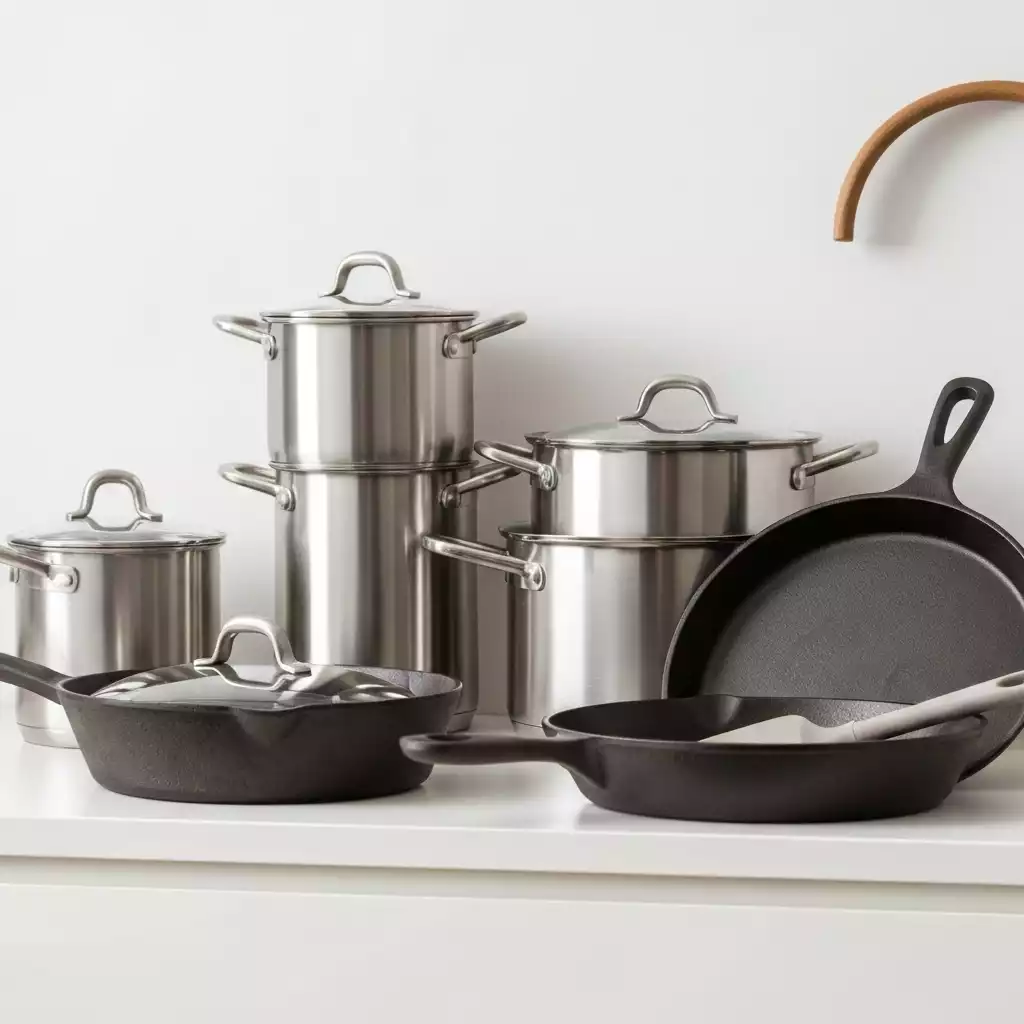
As we wrap up our journey into the world of durable cookware, it’s important to revisit some key takeaways. When selecting cookware, consider the various materials available—each with its unique benefits and limitations. Remember, whether it’s stainless steel, cast iron, or nonstick, the right choice can enhance your cooking experience significantly.
Also, think about the essential pieces you need to get started. A well-rounded collection typically includes various pots and pans tailored to your cooking style. Don’t forget the importance of maintenance! Proper care will ensure your cookware lasts for years to come.
Key Takeaways on Selecting the Right Cookware
- Choose based on material durability and cooking performance.
- Start your collection with essential cookware pieces.
- Invest in maintenance practices suited for each type of cookware.
These takeaways serve as a solid foundation as you embark on your cooking adventure. It’s about finding what works best for you and your kitchen.
Your Next Steps in Building a Cookware Collection
Now that you have a clearer understanding, it’s time to assess your cooking habits! Take a moment to reflect on what dishes you love making most. Consider investing in durable cookware that aligns perfectly with your culinary needs.
Don’t rush—building a well-thought-out cookware collection can be a rewarding process. Start small with essential items, then gradually expand as your cooking skills grow! Having the right tools makes all the difference, and you’ll be thrilled to see how they enhance your dishes.
Engaging with the Cooking Community
We’d love to hear from you! Share your experiences with durable cookware in the comments below. Your insights could help fellow beginner cooks navigate their choices.
Additionally, consider joining cooking forums or local cooking classes. Engaging with the community not only provides valuable feedback but also fosters a supportive environment for sharing tips and tricks. Let’s cook together and create delicious memories!
Recap of Key Points
Here is a quick recap of the important points discussed in the article:
- Choose durable cookware made from high-quality materials like stainless steel, cast iron, and hard-anodized aluminum.
- Invest in essential pieces such as frying pans, saucepans, stock pots, and roasting pans for a well-rounded kitchen collection.
- Consider the maintenance requirements of each cookware type to ensure longevity and optimal performance.
- Start small and gradually expand your cookware collection based on your cooking habits and preferences.
- Engage with the cooking community for tips, feedback, and support as you develop your cooking skills.

3 responses to “Beginner’s Guide to Durable Cookware”
[…] Durability matters in nonstick cookware because it directly impacts how often you’ll need to replace your cooking tools. Investing in a quality nonstick frying pan can save you money and frustration in the long run. Trust me, nobody wants to deal with peeling or flaking nonstick surfaces when you’re in the middle of preparing a family meal! […]
[…] the durability and ease of cleaning ceramic cookware have contributed to its rise in popularity. In many households, it’s now a staple for […]
[…] reading customer reviews is an excellent way to gain insights into the performance and durability of induction cookware brands. Look for reviews that […]