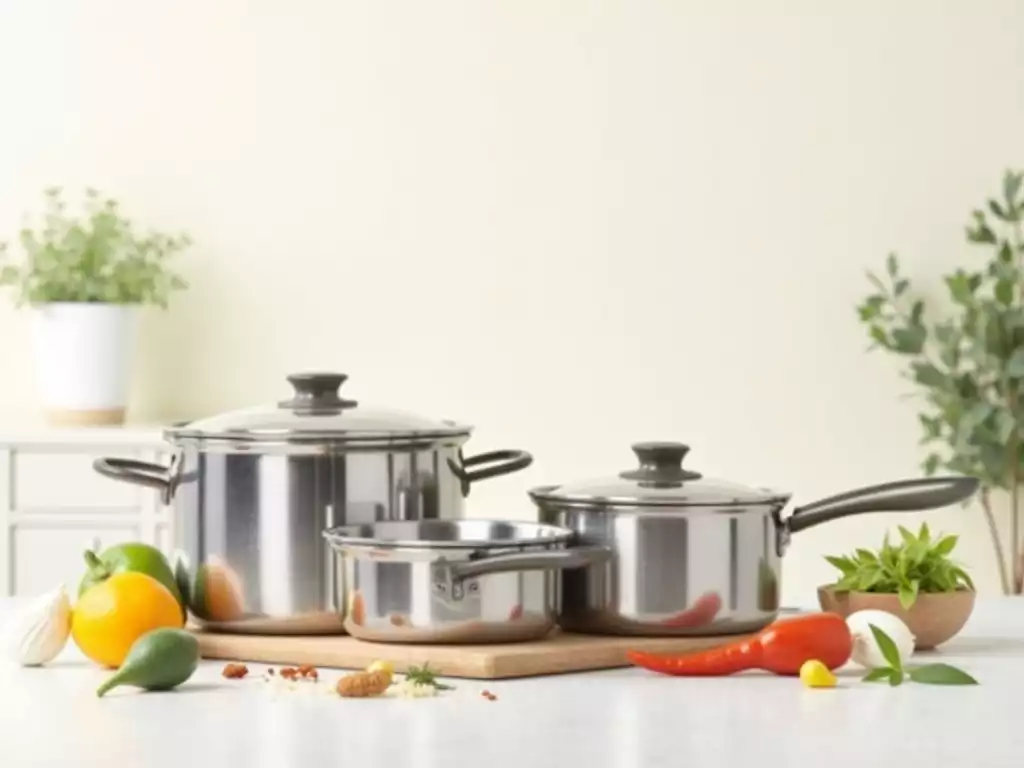
Choosing Lightweight Pots and Pans
What if your cooking tools could not only lighten your load but also elevate your meals? Choosing Lightweight Pots and Pans cookware is transforming kitchens everywhere, making cooking a breeze. Dive into the essential benefits and considerations that will change the way you cook.
What You Will Learn
- Lightweight cookware enhances ease of handling, perfect for all cooking styles.
- Space-efficient design allows for better storage, ideal for smaller kitchens.
- Quick preheating saves time, making meal prep more efficient.
- Material choice impacts performance: aluminum for heat conduction, ceramic for health-conscious cooking, and stainless steel for durability.
- Choosing PFAS-free cookware ensures safety and health without compromising on weight and convenience.
- Proper care and storage techniques extend the life of your lightweight cookware.
- Understanding your cooking style is crucial for selecting the right cookware that meets your needs.
Cookware Material Comparison
A quick overview of how common lightweight cookware materials stack up against each other.
Aluminum
Weight: Light
Heat Conductivity: Excellent
Durability: Moderate
Ceramic
Weight: Light
Heat Conductivity: Good
Durability: Good
Stainless Steel
Weight: Moderate
Heat Conductivity: Good
Durability: Excellent
Understanding Lightweight Pots and Pans: What Makes Them Different?
When it comes to cooking, lightweight pots and pans are becoming a favorite for many home chefs. These tools simplify meal prep and offer a range of benefits that traditional cookware might not provide. In this section, we’ll dive into what makes lightweight cookware stand out and how you can benefit from using it in your kitchen!
Not only do they make cooking more enjoyable, but they also enhance your kitchen experience, allowing for quicker and easier handling. Let’s explore the perks and differences that lightweight cookware brings to the table!
The Benefits of Using Lightweight Cookware
Lightweight cookware is not just about being easier to lift; it fundamentally changes how we approach cooking. Here are some key benefits:
- Ease of Handling: Lightweight cookware is easier to maneuver, especially when you’re flipping pancakes or stirring sauces.
- Space Efficiency: They take up less storage space, making them perfect for small kitchens.
- Faster Preheating: These pans heat up quicker, saving you time during meal prep.
Imagine cooking with pots and pans that feel almost weightless! You’ll find that it’s easier to lift them off the stove without straining your wrist, enhancing your overall cooking experience.
Ease of Handling and Storage

One of the standout features of lightweight cookware is how manageable it is. Lifting a heavy pot full of pasta can be daunting, but with lightweight options, you can easily pour, stir, and serve without the extra weight. Storing these pieces is equally convenient, as they stack neatly and occupy less space in your cabinets or drawers.
This ease of handling can be especially beneficial for those who may have mobility issues or simply prefer a more effortless cooking process. The less strain on your arms and back, the more enjoyable your time in the kitchen becomes!
Improved Cooking Techniques with Heat Distribution
Lightweight pots and pans often feature superior heat distribution. This means that your food cooks evenly, reducing the chances of burning or unevenly cooked meals. With better heat conduction, you can achieve perfect sautéing, frying, or simmering with less effort.
Moreover, many lightweight cookware options are designed to be compatible with various heat sources, including gas, electric, and induction cooktops. This versatility allows for a broader range of cooking techniques, making your lightweight pots and pans an essential part of your kitchen arsenal!
Material Matters: Choosing the Right Lightweight Cookware
Choosing the right material for your lightweight cookware can significantly impact your cooking experience. Here are some of the most common materials to consider:
- Aluminum: Known for its lightweight nature and excellent heat conduction.
- Ceramic: Non-toxic and great for health-conscious cooks.
- Stainless Steel: Durable and resistant to rust, but can be heavier.
Each material has its own benefits, and the right choice depends on your cooking style and preferences. If you’re concerned about health, for instance, you might lean towards ceramic or PFAS-free options!
Exploring PFAS-Free Options for Healthier Cooking
In recent years, the demand for PFAS-free cookware has grown significantly. PFAS (per- and polyfluoroalkyl substances) are chemicals that can be harmful to our health. Many lightweight cookware brands are now prioritizing the production of PFAS-free options, ensuring that you can cook with peace of mind. For more information on safe cookware use, you can also refer to resources like Health Canada’s guidelines on safe cookware. This shift towards safer materials also aligns with the broader movement towards sustainable cookware, emphasizing both user well-being and environmental responsibility.
By opting for PFAS-free cookware, you’re choosing a safer, healthier option for you and your family. Plus, you’ll still enjoy the lightweight benefits without compromising on your health!
Comparing Aluminum, Ceramic, and Stainless Steel Cookware
When it comes to lightweight cookware, each material has its own unique strengths:
| Material | Weight | Heat Conductivity | Durability |
|---|---|---|---|
| Aluminum | Light | Excellent | Moderate |
| Ceramic | Light | Good | Good |
| Stainless Steel | Moderate | Good | Excellent |
This table gives you a quick overview of how these materials stack up against each other. Depending on your specific needs, you can easily determine which option works best for your cooking style!
Understanding Anodized Aluminum and Its Benefits
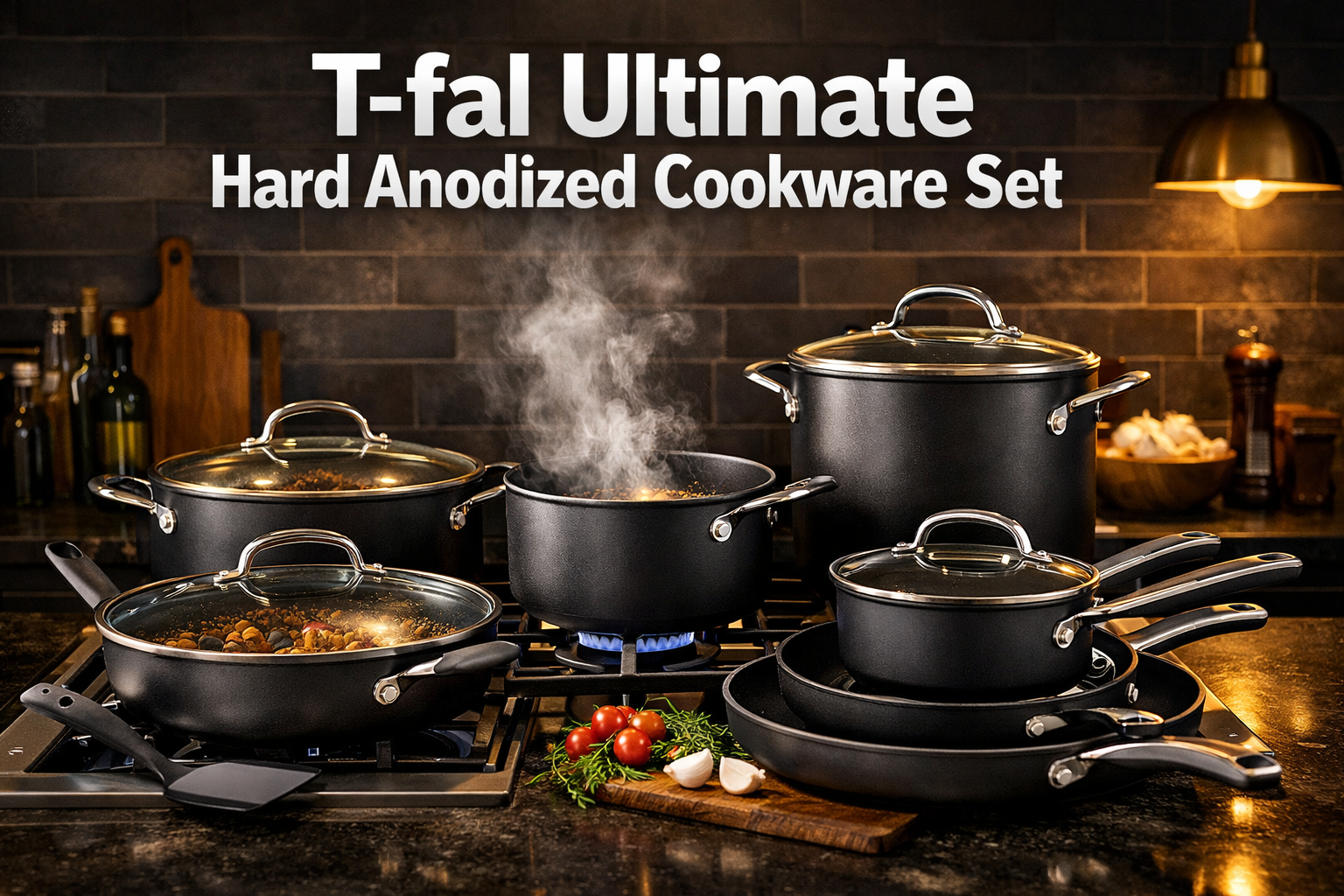
Anodized aluminum is another fantastic option in the realm of lightweight cookware. This process enhances the durability and corrosion resistance of aluminum, making it not only lightweight but also long-lasting. Cookware made from anodized aluminum often features a nonstick surface, which means you can cook healthier meals with less oil.
If you’re looking for cookware that combines lightweight handling with exceptional performance, anodized aluminum might just be the perfect fit for you. Plus, it’s easy to clean, making post-cooking cleanup a breeze!
Pro Tip
Did you know? Choosing lightweight cookware made from anodized aluminum can significantly enhance your cooking experience. Not only does it provide better heat conduction, but it also features a nonstick surface that requires less oil, promoting healthier cooking!
Frequently Asked Questions (FAQs)
- What are the main benefits of using lightweight cookware?
- Lightweight cookware offers ease of handling, space efficiency, and faster preheating, making cooking more enjoyable and efficient.
- Which materials are commonly used in lightweight cookware?
- Common materials include aluminum for excellent heat conduction, ceramic for non-toxic cooking, and stainless steel for durability.
- What does PFAS-free cookware mean?
- PFAS-free cookware is made without per- and polyfluoroalkyl substances, which are chemicals that can be harmful to health, offering a safer cooking experience.
- How do I properly care for nonstick lightweight cookware?
- To care for nonstick surfaces, use soft sponges, avoid metal utensils, and wash with warm, soapy water. Avoid high heat to prevent damage.
- How does anodized aluminum benefit cooking?
- Anodized aluminum enhances durability, corrosion resistance, and often features a nonstick surface, allowing for healthier cooking with less oil and easier cleanup.
Maintaining Your Lightweight Pots and Pans: Tips for Longevity
Keeping your lightweight pots and pans in top shape is essential for ensuring they last through countless meals. After all, at [Your Business Name], we know that proper maintenance can make a big difference! Here are some straightforward tips to help you care for your lightweight cookware effectively.
Cleaning and Care for Nonstick Surfaces
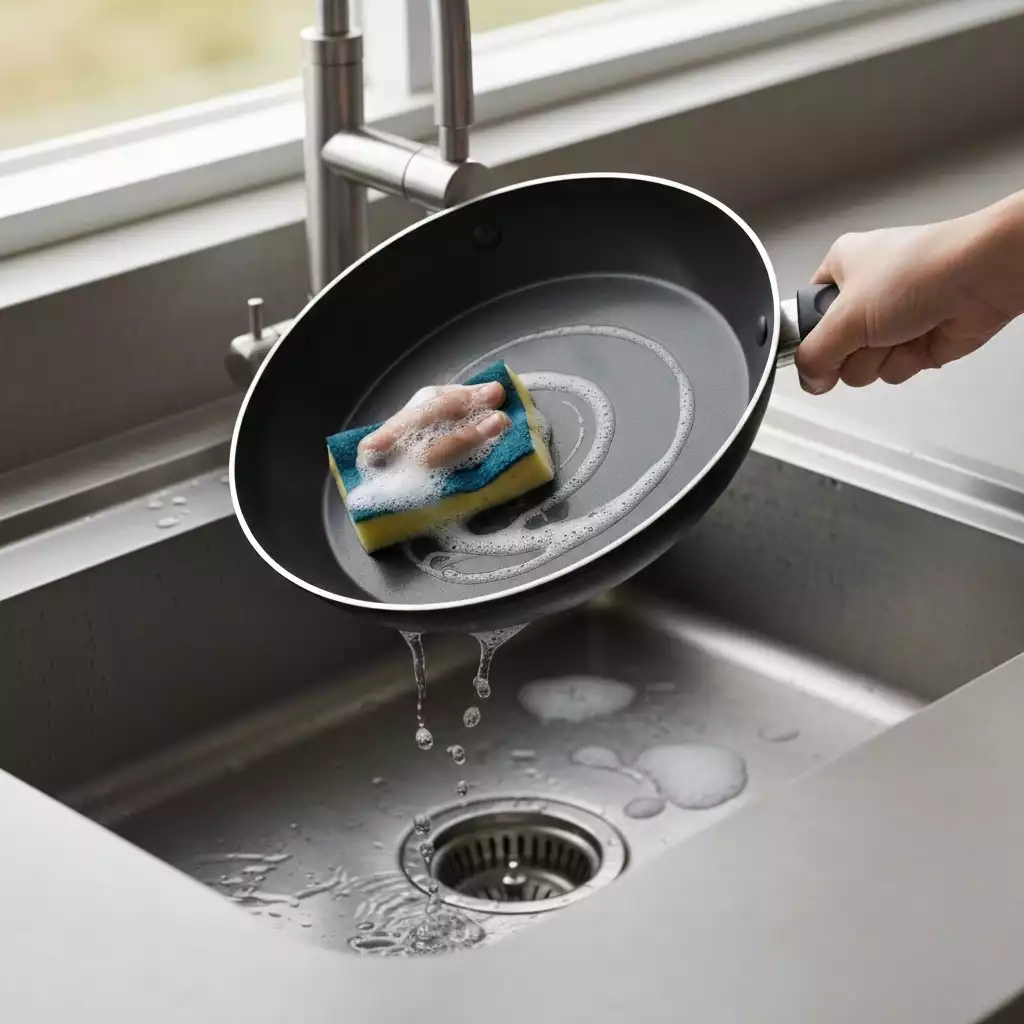
Nonstick surfaces are a popular feature in lightweight cookware as they make cooking and cleaning easier. However, to maintain their effectiveness, it’s critical to follow proper cleaning techniques. Always use soft sponges or cloths instead of abrasive scrubbers to avoid scratching the surface.
- Wash your cookware with warm, soapy water after each use.
- For stubborn stains, soak the pan for a few minutes before scrubbing.
- Never use metal utensils; opt for silicone or wooden tools to preserve the nonstick coating.
- Avoid high heat; stick to medium or low settings to prevent damage.
By following these simple tips, you will not only extend the life of your nonstick cookware but also ensure your meals continue to cook evenly!
Best Practices for Storing Your Cookware
How you store your lightweight cookware can significantly impact its longevity. When pots and pans are stacked carelessly, they can scratch or dent, diminishing their performance. Here are some best practices to keep your cookware in excellent condition:
- Use pan protectors or liners between stacked pots to prevent scratches.
- Store lids separately if possible, or stack them upside down to save space.
- Keep cookware in a dry place to avoid moisture buildup and rust.
- If space allows, hang pots and pans to show them off and keep them easily accessible!
With these storage tips, you can maintain the quality of your lightweight cookware while making your kitchen look organized and stylish!
Making the Right Choice: A Practical Buyer’s Guide
When it comes to cookware, making the right choice can feel overwhelming. That’s why I’ve compiled a practical buyer’s guide to help you navigate the selection process at [Your Business Name]. Whether you’re a novice cook or a seasoned chef, understanding your needs will make all the difference!
Choosing Cookware Based on Cooking Style and Kitchen Type
Your cooking style and kitchen setup play a significant role in determining the best cookware for you. Here are a few points to consider:
- For quick meals and busy schedules, lightweight, fast-heating cookware is ideal.
- If you love slow cooking, consider heavier options that retain heat well.
- Evaluate your kitchen space; if it’s limited, opt for stackable or nested cookware.
Understanding your cooking habits will ensure you purchase the cookware that aligns perfectly with your lifestyle.
Defining Key Terms: What to Know Before You Buy
Before diving into a cookware purchase, it’s essential to grasp some key terms that will help you make informed decisions. Here are a few definitions to keep in mind:
- Nonstick Coating: A surface treatment that prevents food from sticking.
- Anodized Aluminum: Aluminum cookware that has been treated to resist scratches and improve durability.
- Oven-Safe: Cookware that can withstand high oven temperatures.
Having a grasp of these terms will empower you to choose cookware that matches your cooking expectations!
Comparing Top Cookware Brands: Cuisinart, Calphalon, and More
When selecting cookware, brand reputation can provide valuable insight into quality and performance. Here’s a quick comparison of some of the top brands you might consider:
| Brand | Notable Features | Ideal For |
|---|---|---|
| Cuisinart | Versatile designs, great heat distribution | Everyday cooking |
| Calphalon | Durable nonstick, ergonomic handles | High-performance cooking |
| T-fal | Affordable, good for beginners | Simple, everyday use |
Researching brands will help align your purchase with your cooking needs and style, ensuring a satisfying kitchen experience!
Recap of Key Points
Here is a quick recap of the important points discussed in the article:
- Ease of Handling: Lightweight cookware is easier to maneuver, making cooking more enjoyable.
- Space Efficiency: These pots and pans take up less storage space, ideal for small kitchens.
- Faster Preheating: Lightweight cookware heats up quicker, saving time during meal prep.
- Material Selection: Choose materials like aluminum, ceramic, or stainless steel based on your cooking needs.
- PFAS-Free Options: Opt for PFAS-free cookware for a healthier cooking experience.
- Proper Maintenance: Follow cleaning tips to extend the life of nonstick surfaces.
- Storage Best Practices: Use pan protectors and keep cookware organized to prevent damage.