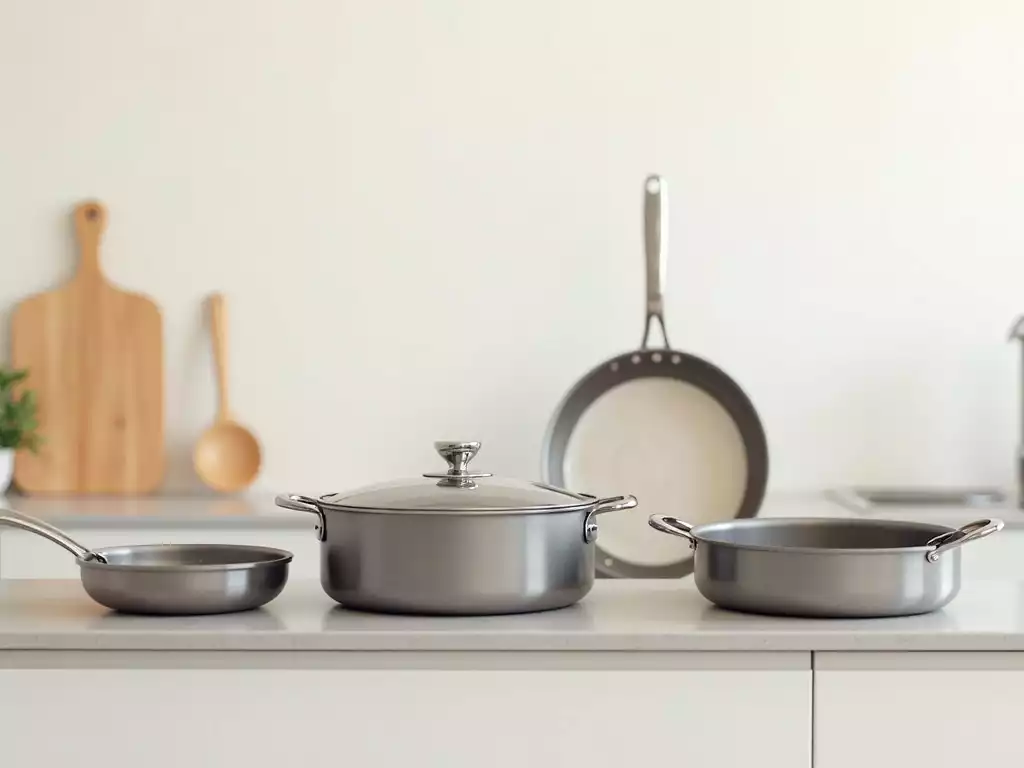
Are you ready to elevate your cooking game? Understanding the right cookware can be a game-changer in the kitchen, transforming your culinary experience.
What You Will Learn
- How to assess cookware quality based on heat distribution, durability, and ease of cleaning.
- The benefits and drawbacks of various cookware materials like non-stick, stainless steel, and cast iron.
- The advantages of using non-stick pans, including healthier cooking options and effortless cleanup.
- Key considerations for making an informed cookware purchase, including cooking style, materials, and budget.
Comparing Cookware Options and Their Benefits
Understanding the different materials and their advantages is key to choosing the right cookware set for your needs. This comparison highlights key features and benefits.
Nonstick Cookware
Benefits:
- Ease of Cooking (food slides off)
- Effortless Cleanup (less scrubbing)
- Healthier Cooking (less oil/butter)
Stainless Steel Cookware
Benefits:
- Highly Durable and resistant to rust
- Excellent for browning and deglazing
- Versatile for various cooking tasks
Cast Iron Cookware
Benefits:
- Exceptional heat retention
- Ideal for slow-cooking and searing
- Adds iron to food (natural supplement)
Eco-Friendly Options
Benefits:
- Sustainable and safe materials
- Often PFOA-free (healthier choice)
- Good heat conductivity and non-reactive
Understanding the Best Pots and Pans Set for Your Cooking Needs
When it comes to selecting a pots and pans set, understanding the quality of cookware is essential. You want cookware that distributes heat evenly, lasts for years, and is easy to clean. These key performance metrics directly affect your cooking experience and outcomes, making it important to evaluate them before making a purchase. The safe use of cookware is a priority for Health Canada, providing valuable guidelines for consumers.
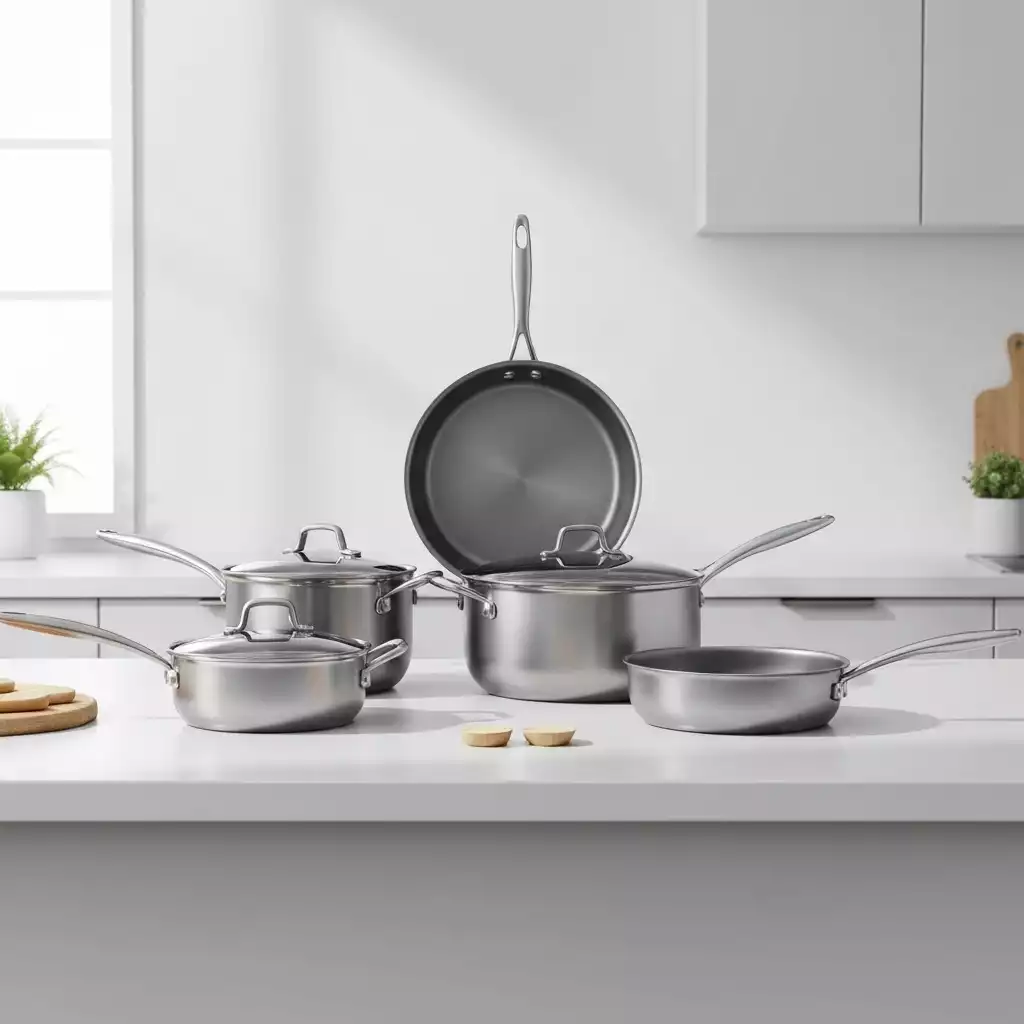
For instance, cookware that retains heat well can enhance your cooking efficiency, allowing you to achieve better results. Durability, on the other hand, ensures that your investment pays off over time. And let’s not forget about ease of cleaning, which can save you precious time in the kitchen!
Defining Cookware Quality: What to Look For
To help you navigate the world of cookware, here are some factors to consider:
- Heat Distribution: Look for sets that offer even heat distribution to avoid hot spots.
- Durability: Invest in materials that withstand wear and tear, such as stainless steel or cast iron.
- Ease of Cleaning: Non-stick options can simplify cleanup, while stainless steel may require more effort.
By focusing on these key attributes, you can ensure that the pots and pans you choose will meet your cooking needs effectively. Remember, a good set of cookware can elevate your culinary skills and make cooking a more enjoyable task!
Material Matters: Comparing Cookware Options
The material of your cookware plays a significant role in its performance. Let’s break down some popular options:
- Nonstick: Ideal for low-fat cooking and easy cleanup.
- Stainless Steel: Durable and resistant to rust, perfect for browning and deglazing.
- Cast Iron: Excellent for heat retention and perfect for slow-cooking.
- Eco-Friendly Options: Look for ceramic or PFOA-free choices if sustainability is a priority. For more information on safer cookware options, explore resources from organizations dedicated to prevention.
Each material has its own set of advantages and disadvantages. For example, while nonstick pans are great for frying eggs, they may not be the best for high-heat searing. Understanding these differences can help you choose the best cookware for your specific cooking style. Additionally, it’s crucial to be aware of potential hazards, as the FDA has issued warnings about imported cookware that may leach lead, emphasizing the importance of informed choices.

Exploring the Benefits of Non-Stick Pans
Non-stick pans are a favorite among many home cooks, and for good reason! Here’s why they stand out:
- Ease of Cooking: Food slides right off, making meal prep a breeze.
- Effortless Cleanup: Less scrubbing means more time enjoying your meals.
- Healthier Cooking: Use less oil and butter, which can be a game-changer for your diet.
If you’re a busy person like me, you’ll appreciate how non-stick pans can simplify your cooking process. They’re not just convenient; they can also encourage healthier meal choices!
Pro Tip
When selecting your pots and pans set, consider investing in a few high-quality pieces rather than a complete set. Focus on versatile items, such as a good non-stick skillet and a durable saucepan, which can handle most cooking tasks efficiently and effectively.
Frequently Asked Questions About Cookware
What are the key factors to consider when choosing cookware?
When choosing cookware, consider heat distribution, durability, and ease of cleaning. These factors significantly impact your cooking experience and the longevity of your pots and pans.
What are the main types of cookware materials and their benefits?
The main types are non-stick (easy cooking, effortless cleanup, healthier cooking), stainless steel (durable, great for browning), and cast iron (exceptional heat retention, ideal for slow-cooking). Eco-friendly options like ceramic and PFOA-free choices are also available.
Why are non-stick pans popular among home cooks?
Non-stick pans are popular for their ease of cooking (food slides off), effortless cleanup, and the ability to cook with less oil and butter, promoting healthier eating habits.
How can I ensure I make an informed cookware purchase?
To make an informed purchase, assess your cooking habits, determine your preferred materials, consider your budget, and read reviews and ratings from other users.
Are there any safety concerns with certain types of cookware?
Yes, some imported cookware may leach lead, as warned by the FDA. It’s important to choose reputable brands and materials, and to be aware of health advisories related to cookware safety.
Summarizing Your Cookware Choices: Final Thoughts
Choosing the right pots and pans set is essential for anyone who loves to cook. Your selection should be based on your personal cooking style and the types of meals you enjoy preparing. With so many options available, it’s clear that what works for one person may not work for another. Remember, the right cookware can enhance your cooking experience and make meal preparation a breeze!
As you weigh your options, consider factors like material, size, and compatibility with your stove. Each of these elements plays a pivotal role in how effectively your cookware performs and how long it lasts. So, take a moment to reflect on your individual needs before making a decision.
Your Next Steps: Making an Informed Purchase
Now that you have a better understanding of the various cookware sets available, it’s time to put this knowledge into action! Start by assessing your cooking habits and preferences. Here are some steps to guide you in making an informed purchase:
- Identify your cooking style: Are you a casual home cook or a culinary enthusiast?
- Determine the materials you prefer: Do you lean towards nonstick or stainless steel?
- Consider your budget: Are you looking for something affordable or are you ready to invest in premium cookware?
- Read reviews and ratings: Check out what others are saying about the cookware sets you’re interested in.
By following these steps, you’ll be well on your way to selecting a cookware set that suits your needs. Remember, it’s not just about buying pots and pans; it’s about finding ones that make cooking enjoyable!
Join the Cooking Community: Share Your Experiences
We’d love to hear from you! Your insights and experiences can help others in our cooking community make better choices. If you’ve recently purchased a new cookware set or have a favorite brand that you swear by, please share your thoughts in the comments below.
Sharing your experiences can foster a sense of community among fellow cooking enthusiasts. Plus, who knows? Your recommendations could inspire someone else to elevate their culinary game!
Recap of Key Points
Here is a quick recap of the important points discussed in the article:
- Focus on quality cookware that distributes heat evenly for better cooking results.
- Consider durability, opting for materials like stainless steel or cast iron that can withstand wear and tear.
- Ease of cleaning is crucial; non-stick options can simplify cleanup, while stainless steel may require more effort.
- Understand the advantages of different materials: nonstick for low-fat cooking, stainless steel for browning, and cast iron for heat retention.
- Assess your cooking style and preferences to choose the right cookware that enhances your culinary experience.
- Take into account your budget and read reviews to make an informed purchase decision.

2 responses to “Choosing the Right Pots and Pans”
[…] in the magnetic properties of the cookware. Induction cooktops use magnetic fields to directly heat pots and pans, so only cookware made from certain materials will work […]
[…] Buying a complete set can be more cost-effective than purchasing individual pots and pans. […]