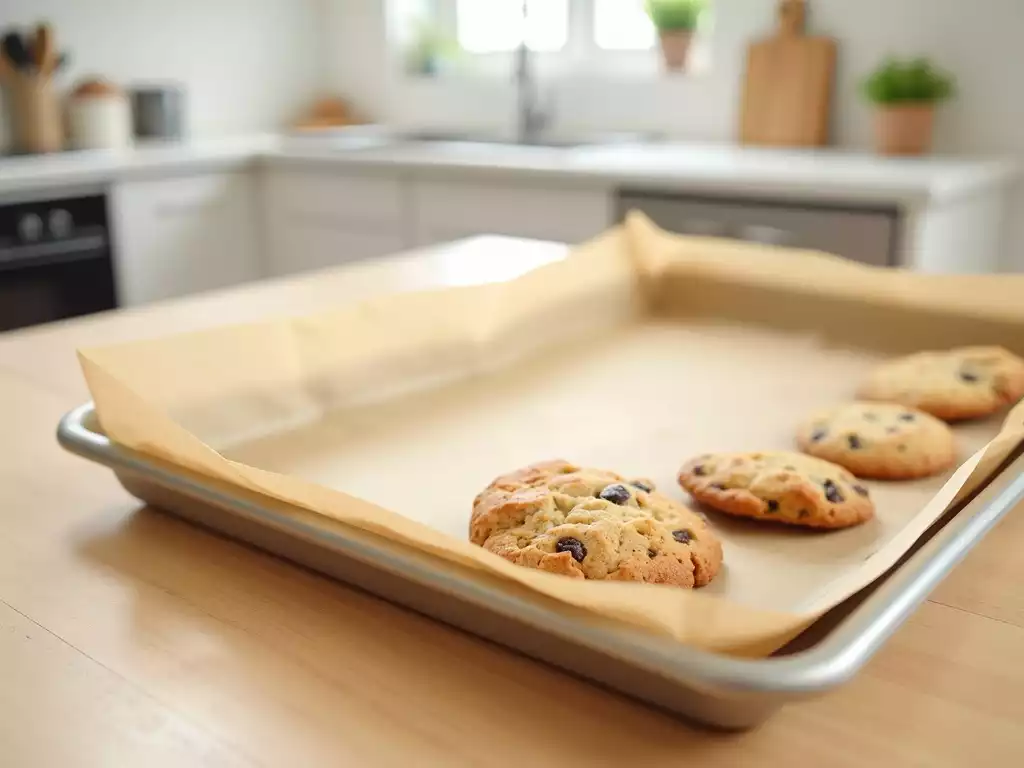
Have you ever thought about how a simple sheet can transform your baking experience? The right cookie sheet liner not only ensures your cookies come out perfectly but also makes clean-up a breeze.
What You Will Learn
- Silicone mats are reusable, non-stick, and great for maintaining cookie shape and texture.
- Parchment paper offers easy release and minimal cleanup, making it ideal for occasional bakers.
- Perforated mats enhance air circulation, resulting in chewier, evenly baked cookies.
- Choosing between reusable and disposable liners depends on personal baking habits and sustainability preferences.
- Different liners affect cookie quality, with silicone mats preventing excess spread while parchment promotes better browning.
- Consider your baking frequency: parchment paper for the occasional baker and silicone mats for frequent use.
Cookie Sheet Liners: A Comparative Overview
Understanding the distinct characteristics of different cookie sheet liners can significantly enhance your baking results. This comparison highlights their key properties and impact on cookie quality.
Understanding Cookie Sheet Liners: Types and Uses
When it comes to baking, cookie sheet liners can make a world of difference! They can prevent sticking, improve baking results, and make cleanup a breeze. In this section, we’ll explore the various types of liners available and how they can enhance your baking experience.
Choosing the right liner is essential for achieving the perfect cookie. With options like silicone mats, parchment paper, and perforated mats, it’s crucial to understand their unique properties and uses. Let’s dive into each type!
Examining the Options: Silicone Mats, Parchment Paper, and Perforated Mats
Each liner type serves a specific purpose in the baking world. Here’s a breakdown of the most popular options:
- Silicone Mats: Non-stick, reusable, and great for even baking. For more information on the benefits of silicone baking mats, you can refer to this Bake or Break article.
- Parchment Paper: Disposable and excellent for easy release and cleanup.
- Perforated Mats: Provide air circulation, helping cookies bake evenly.
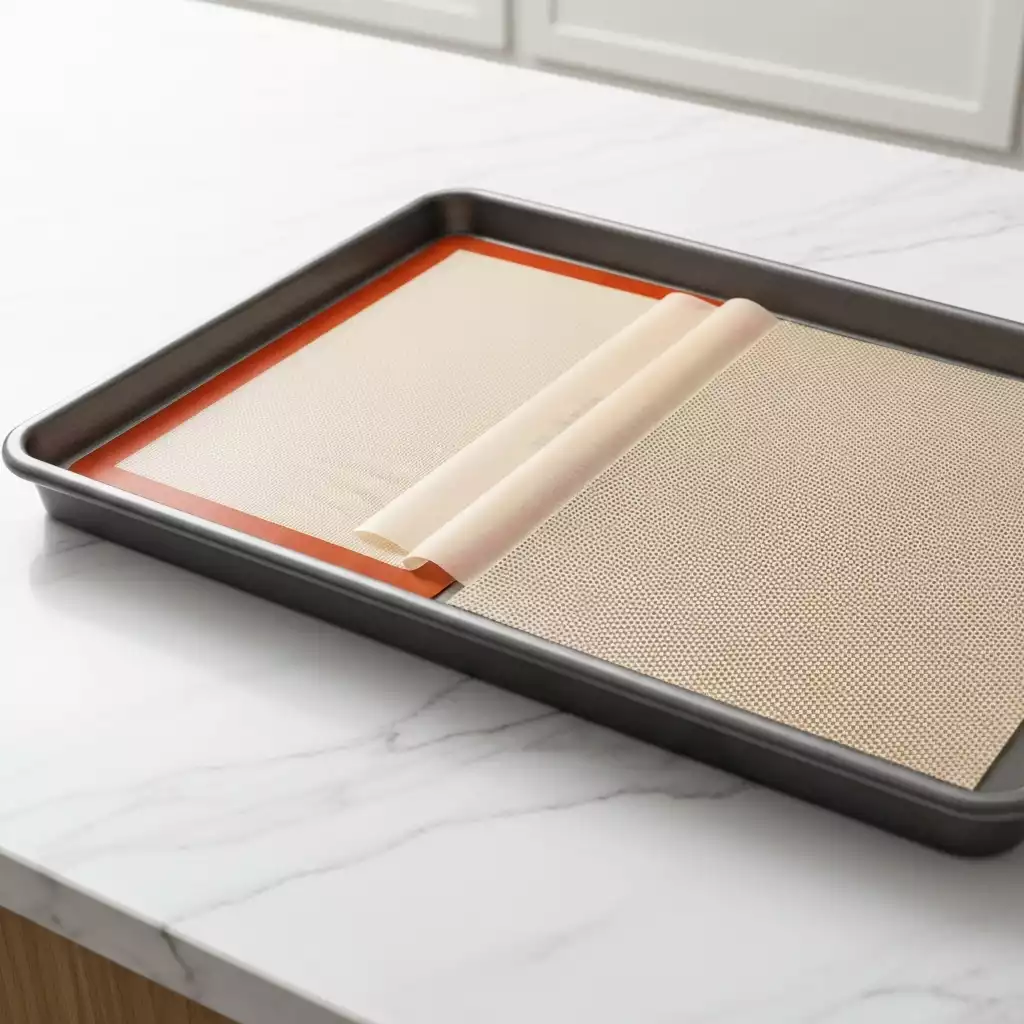
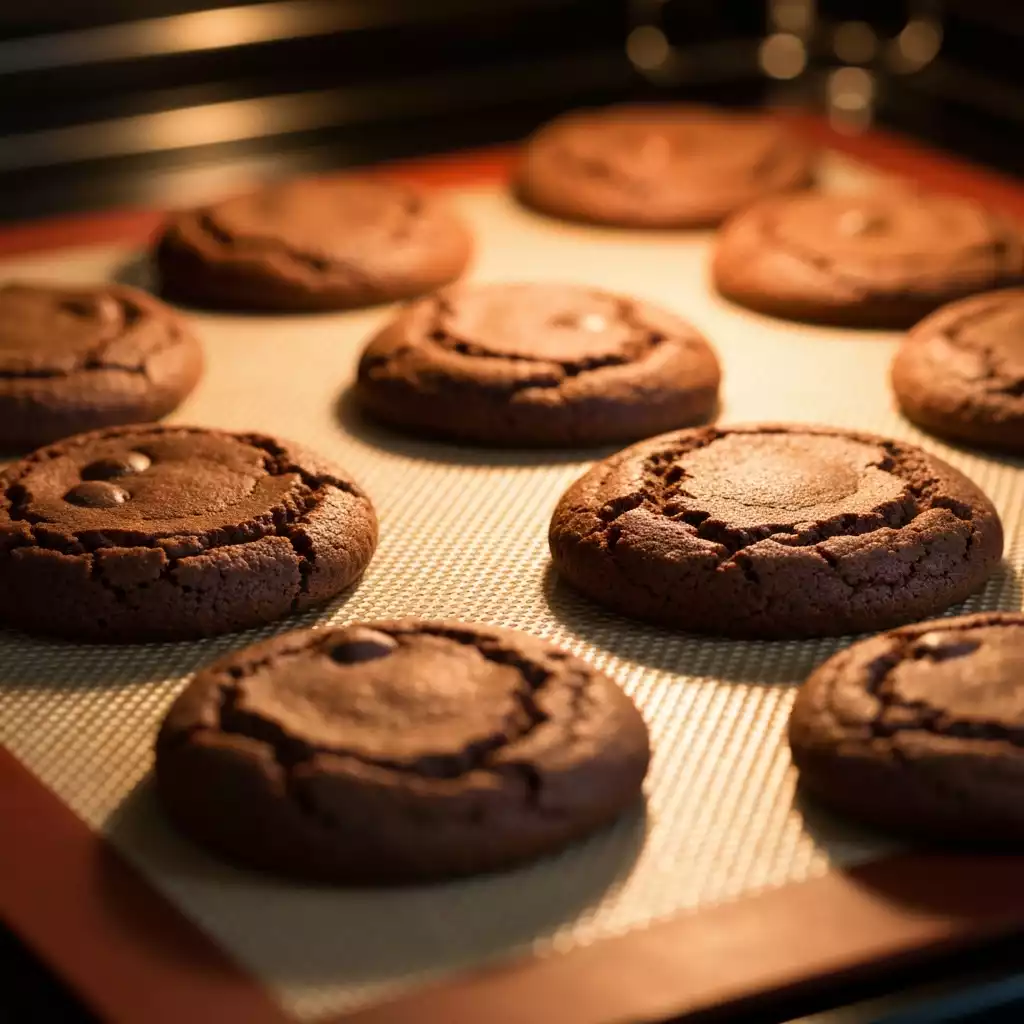
When I first started baking, I found that using a silicone mat transformed my cookies’ texture, ensuring they came out perfectly golden brown every time. Meanwhile, parchment paper remains a favorite for many due to its convenience. To learn more about how different liners affect your baked goods, check out this comparative guide from Your Baking Bestie.
Exploring Reusable and Disposable Liners: Which is Right for You?
Choosing between reusable and disposable liners often comes down to personal preference and baking habits. Here are some factors to consider:
- Reusable Liners: Cost-effective in the long run and eco-friendly.
- Disposable Liners: No cleanup required, but can add up over time.
Personally, I lean towards reusable liners, as they reduce waste and keep my kitchen sustainable! However, if you’re baking in large batches or for special occasions, disposable liners can save you time and hassle. For a detailed comparison of baking liners, including their pros and cons, this Borderlands Bakery article offers valuable insights.
How Each Liner Type Affects Cookie Quality: Spread, Browning, and Texture
The type of liner you choose can significantly impact your cookie’s quality. Here’s how:
- Spread: Silicone mats can help maintain shape by preventing excess spread.
- Browning: Parchment paper often leads to better browning due to heat diffusion.
- Texture: Perforated mats provide a chewy texture by allowing moisture to escape.
In my experience, using a silicone mat has consistently yielded cookies with just the right amount of spread while retaining that delightful texture. It’s fascinating how much of a difference a simple liner can make!
Pro Tip
Did you know? Preheating your cookie sheet along with your oven can enhance your cookie’s texture and spread. This simple step helps the cookies start baking immediately upon contact, leading to a more consistent outcome!