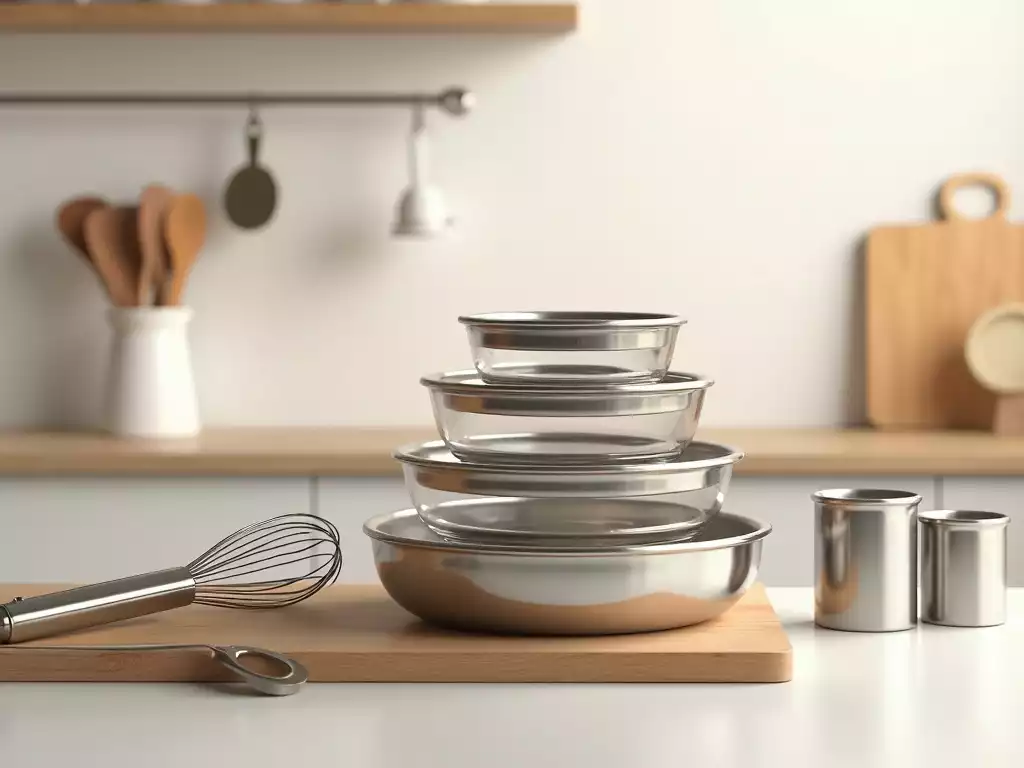
Did you know that stackable bakeware can transform your kitchen organization? These versatile solutions not only save space but also keep your favorite baking dishes easily accessible.
What You Will Learn
- Stackable bakeware optimizes vertical storage, making it ideal for small kitchens.
- Using stackable options frees up space for other kitchen essentials and enhances accessibility.
- Key features to look for include non-stick surfaces and heat-resistant materials for durability.
- Different materials like silicone, glass, and non-stick each offer unique benefits for various baking needs.
- Proper cleaning and maintenance can prolong the lifespan of your bakeware significantly.
- Choosing dishwasher-safe options simplifies your cleaning routine and ensures a hassle-free experience.
Key Features and Maintenance of Stackable Bakeware
Discover the essential features to look for in stackable bakeware sets and effective cleaning methods to prolong their lifespan, ensuring your kitchen remains organized and your baking tools are always ready.
Key Features for Stackable Bakeware Sets
✔️
Non-stick surfaces for easy food release
✔️
Heat-resistant materials for safe oven use
✔️
Compatibility with various cooking methods
Cleaning Tips by Material
Silicone:
Rinse with warm water; hand wash for longevity.
Glass:
Cool before washing; mild soap & soft sponge.
Non-Stick:
Avoid metal utensils; clean with soft cloth & mild detergent.
Long-Term Care Practices
Storage:
Store in a cool, dry place to prevent warping.
Temperature:
Avoid extreme changes, especially for glass.
Inspection:
Regularly check for wear; replace damaged pieces.
Understanding Stackable Bakeware Storage Solutions
When it comes to efficient kitchen organization, stackable bakeware storage solutions are a game changer! These innovative designs allow you to maximize available space while keeping your bakeware neatly organized. Whether you’re a professional chef or a home baking enthusiast, understanding the benefits and features of stackable bakeware can elevate your kitchen efficiency.
By combining functionality with clever design, stackable bakeware not only saves space but also makes it easy to access your favorite baking dishes. Let’s explore what stackable bakeware storage entails and why it might be the perfect solution for your kitchen!
What is Stackable Bakeware Storage?
Stackable bakeware storage refers to the ability to fit multiple pieces of bakeware together, optimizing vertical space in your cabinets or drawers. This design is particularly useful in small kitchens where every inch counts. Stackable options come in various materials and shapes, allowing for versatility in storage and cooking.
- Space-saving design
- Easy access with stacked organization
- Variety of materials and shapes available
With stackable bakeware, you can efficiently store everything from baking sheets to casserole dishes without clutter. It’s a simple yet effective way to keep your kitchen tidy and functional.
The Advantages of Using Stackable Bakeware
One of the top benefits of using stackable bakeware is the efficient use of space! When you can neatly organize your bakeware in a vertical manner, you can free up room for other kitchen essentials. Also, stackable bakeware tends to be lightweight, making it easy to handle when you’re in the midst of baking adventures. For further insights into maximizing kitchen storage, you can refer to articles on kitchen storage ideas from Houzz.
- Maximizes storage in limited spaces
- Lightweight and easy to handle
- Reduces the risk of damage to bakeware
Another advantage is that many stackable bakeware sets come with lids, which help keep your food fresh longer. This feature is especially handy for meal prepping or storing leftovers.
Key Features to Look for in Stackable Bakeware Sets
When searching for the perfect stackable bakeware set, there are several key features to consider. First, look for materials that offer durability and convenience, such as non-stick coatings or heat-resistant silicone. These options make it easier to cook and clean up afterward. Insights into different bakeware materials can be found on resources like Food Network’s guide to cookware types.
- Non-stick surfaces for easy food release
- Heat-resistant materials for safe use in ovens
- Compatibility with various cooking methods
Additionally, consider the size and shape of the bakeware. Choose a set that includes a variety of pieces to suit different recipes, whether you’re baking cakes, cookies, or casseroles. This variety will ensure you have the right tools at your disposal for any culinary creation!
Types of Bakeware: Exploring Silicone, Glass, and Non-Stick Options
Stackable bakeware comes in a variety of materials, each with its own set of benefits. Silicone bakeware is flexible and easy to store, while glass bakeware is known for its durability and even heat distribution. Non-stick options are great for easy clean-up and preventing food from sticking. For a comprehensive comparison of bakeware materials, you might find articles from reputable culinary sites helpful, such as Serious Eats’ guide to bakeware materials.
- Silicone: Flexible, lightweight, and easy to clean
- Glass: Durable and excellent for even baking
- Non-Stick: Ideal for easy food release and clean-up
Understanding the features of these materials can help you choose the best stackable bakeware for your kitchen needs. Make sure to consider your cooking habits and preferences to select the ideal material!
Frequently Asked Questions about Stackable Bakeware
What are the main benefits of using stackable bakeware?
Stackable bakeware optimizes vertical storage, saving significant kitchen space. It also provides easy access to your baking dishes and helps keep your kitchen organized. Many sets are lightweight and easy to handle.
What key features should I look for when buying stackable bakeware?
Look for non-stick surfaces for easy food release and cleaning, heat-resistant materials for safe oven use, and compatibility with various cooking methods. Choosing a set with a variety of sizes and shapes is also beneficial.
What are the different types of materials available for stackable bakeware?
Common materials include silicone (flexible, lightweight, easy to clean), glass (durable, excellent for even baking), and non-stick (ideal for easy food release and cleanup).
How can I prolong the lifespan of my stackable bakeware?
Proper cleaning is crucial: rinse silicone with warm water; cool glass before washing; use soft cloths and mild detergent for non-stick. For long-term care, store bakeware in a cool, dry place, avoid extreme temperature changes, and regularly inspect for wear.
Is it important to choose dishwasher-safe bakeware?
Choosing dishwasher-safe options can significantly simplify your cleaning routine. Always check the manufacturer’s instructions, as not all materials (especially certain non-stick metals) are suitable for dishwashers.
Pro Tip
Did you know? When choosing stackable bakeware, opt for sets that include a variety of sizes. This versatility not only accommodates different recipes but also enhances your cooking efficiency, allowing you to bake multiple items at once!