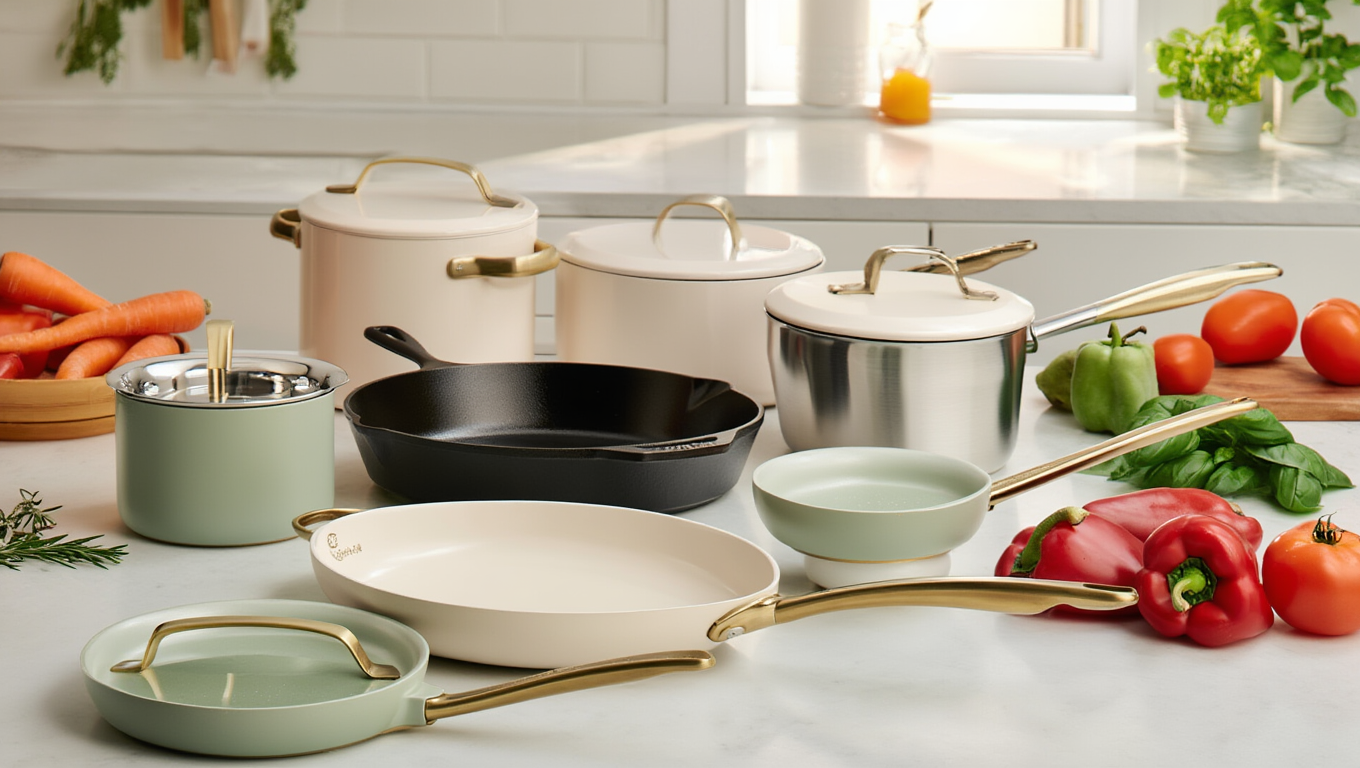
Healthy Non Toxic Bakeware
Your Kitchen Might Be Making You Sick ?
Ever wonder what’s really touching your food? That shiny non-stick pan you love might be leaching chemicals into every meal you cook.
Here’s the scary truth: 99% of Americans have PFAS—often called “forever chemicals”—in their blood. Many of these chemicals come from Bakeware.
But don’t panic!
This guide will show you exactly how to choose healthy non toxic bakeware that keeps your family safe without breaking the bank.
Why Your Bakeware Matters More Than You Think
The Hidden Danger in Your Kitchen
Think about it. You carefully choose organic vegetables, grass-fed meat, and filtered water. But what happens when that healthy food hits a toxic pan? All that effort goes right down the drain.
Healthy non toxic Bakeware isn’t just a trendy phrase—it’s essential for truly clean eating. When you heat traditional non-stick pans, chemicals can transfer directly into your food.
These aren’t tiny amounts, either. Studies show that heating certain pans releases enough chemicals to contaminate your entire meal.
The PFAS Problem Made Simple
PFAS stands for per- and polyfluoroalkyl substances. Complicated name, right? Here’s what you really need to know: these are man-made chemicals that never break down. Ever. That’s why they’re called “forever chemicals.”
When PFAS get into your body, they stay there. They’ve been linked to cancer, thyroid problems, fertility issues, and weakened immune systems. And guess where one of the biggest sources is? Your kitchen Bakeware.
Who Needs to Worry Most?
Are you:
- Pregnant or planning to be? ?
- Cooking for young children? ?
- Dealing with health issues? ?
- Just wanting to live healthier? ?
Then you need to pay attention to your Bakeware. But honestly? Everyone should care. These chemicals don’t discriminate—they affect us all.
Toxic Bakeware Decoded: What You’re Really Cooking With
The Chemical Alphabet: PFAS, PFOA, PTFE
Let’s break down these confusing terms:
PFAS = The big family of over 12,000 chemicals. Think of this as the last name.
PFOA = One specific bad guy in the PFAS family. It was banned in 2013, but companies replaced it with similar chemicals that might be just as bad.
PTFE = Also known as Teflon. This is what makes pans “non-stick.” It’s made using PFAS chemicals.
GenX = The new kid on the block. Companies switched to this after PFOA was banned. Early research suggests it might be even more toxic at lower levels. Yikes! ?
The Teflon Truth
Remember when Teflon was revolutionary? Everyone wanted those magical pans where nothing stuck.
But here’s what they didn’t tell us: when Teflon pans heat up, they can release toxic fumes. These fumes are strong enough to kill pet birds. Yes, really.
Modern Teflon claims to be safer because they removed PFOA. But here’s the catch: they just replaced it with other PFAS chemicals.
It’s like saying, “Don’t worry, we removed that one poison and added a different poison instead!”
If you have pans from before 2013, throw them out today. Seriously. They contain the really bad stuff.
Marketing Tricks to Watch For
Companies know you’re worried, so they play word games:
❌ “PFOA-free” – Means nothing. PFOA has been banned for years. Of course it’s free of something illegal!
❌ “PTFE-free” – This is better, but check what they used instead. Some replacements aren’t much safer.
❌ “Safe non-stick” – According to who? Check for third-party testing, not just the company’s word.
✅ “100% ceramic” – This is good! Means no metal core, just pure ceramic.
✅ “No PFAS” – The golden phrase. This means no forever chemicals at all.
✅ “Third-party tested” – Look for mentions of SGS, TUV, or other independent labs.
Spotting Toxic Bakeware
Here’s your quick inspection guide:
Toss it if you see:
- Scratches in the coating (chemicals can leach out)
- Peeling or flaking (you’re eating that coating!)
- Discoloration that won’t clean off
- Any pan older than 10 years
- Unknown brand from before 2015
Age matters! Even if your pan looks fine, older pans were made with worse chemicals. When in doubt, throw it out.
The Safe Bakeware Materials Guide
Let me walk you through each safe option. I’ll keep it simple—no chemistry degree needed!
Stainless Steel: The Reliable Choice ⭐
What it is: Pure metal—usually iron, chromium, and nickel mixed together. No coatings, no chemicals, just metal.
Why it’s safe: There’s nothing to flake off or break down. What you see is what you get. Healthy non toxic Bakeware doesn’t get more straightforward than this.
Best for:
- Sauces and gravies
- Boiling pasta and vegetables
- Browning meat
- Everyday cooking
Watch out for: If you have a nickel allergy, choose nickel-free stainless steel. Also, food can stick if you don’t heat the pan properly. The trick? Heat the pan first, then add oil, then add food. Easy!
Price range: $30 for a basic pan to $300+ for premium brands
Our top pick: All-Clad D3 series—worth every penny for serious cooks. Lodge or Cuisinart for budget-friendly options.
Real talk: I cook 90% of my meals in stainless steel. Yes, it takes practice. Yes, sometimes food sticks. But it lasts forever and I never worry about chemicals. That peace of mind? Priceless.
Cast Iron: The Traditional Winner ?
What it is: Literally a chunk of iron shaped into a pan. Your great-grandmother cooked with these, and they’re still going strong today.
Why it’s safe: Pure iron. No coatings (except the natural seasoning you create with oil). Plus, it adds a tiny bit of iron to your food—that’s actually good for most people!
Best for:
- Searing steaks
- Cornbread and skillet cookies
- High-heat cooking
- Dishes that go from stovetop to oven
Watch out for: Acidic foods like tomato sauce can strip the seasoning. Also, these pans are heavy—seriously heavy. My 12-inch skillet weighs almost 8 pounds!
Price range: $20-$80 for most pans (incredibly affordable!)
Our top pick: Lodge is the classic choice and super affordable. Lancaster if you want something lighter and prettier.
Pro tip: Cast iron gets better with age. The more you use it, the more non-stick it becomes. It’s the only pan that improves over time!
Ceramic: The Modern Solution ✨
What it is: A metal pan (usually aluminum) coated with a ceramic layer made from natural minerals like silica (sand).
Why it’s safe: The ceramic coating contains no PFAS, PFOA, or other nasty chemicals. It’s literally made from the same stuff as sand and clay.
Best for:
- Eggs (they slide right off!)
- Delicate fish
- Pancakes and crepes
- Low to medium heat cooking
Watch out for: Ceramic coatings don’t last as long as other options. Expect 1-3 years of good performance, then you’ll need to replace. High heat damages the coating faster.
Price range: $30-$150 per pan
Our top pick: GreenPan Valencia Pro for durability, Caraway for beauty and performance, Our Place for design lovers.
Honest truth: I love ceramic for eggs, but I’m realistic about lifespan. These are my “replacement pans”—I budget for new ones every couple years. Still beats toxic chemicals in my food!
Carbon Steel: The Professional Choice ?
What it is: Think of it as cast iron’s lighter, more responsive cousin. Thinner metal that heats up faster.
Why it’s safe: Pure iron and carbon—that’s it. Like cast iron, it develops a natural non-stick patina over time.
Best for:
- Stir-fries (woks are often carbon steel)
- Searing and sautéing
- High heat cooking
- People who find cast iron too heavy
Watch out for: Requires seasoning like cast iron. Also avoid cooking acidic foods frequently—they’ll strip your seasoning.
Price range: $30-$100 per pan
Our top pick: Merten & Storck comes pre-seasoned and ready to use. Made In if you want premium quality.
Why I love it: Carbon steel heats up fast and responds to temperature changes quickly. Perfect when you’re cooking something that needs precise heat control.
Glass: The Pure Option ?
What it is: Tempered glass cookware—like Pyrex baking dishes.
Why it’s safe: Glass is completely inert. Nothing can leach out. Ever. It’s as pure as it gets.
Best for:
- Baking (casseroles, lasagna)
- Oven dishes
- Meal prep storage
- Microwave cooking
Watch out for: Glass can shatter if you change temperatures too fast. Don’t put a hot dish in cold water! Also not suitable for stovetop cooking (except special glass-ceramic pots).
Price range: $10-$50 (very affordable!)
Our top pick: Pyrex or Anchor Hocking glass baking dishes. Simple and effective.
Kitchen reality: Glass isn’t replacing your skillet, but it’s perfect for oven cooking. I use glass baking dishes multiple times a week.
Top 10 Healthy Non Toxic Bakeware Brands
Let me share my honest reviews of the best brands. I’m rating each on four things: Safety, Durability, Value, and Ease of Use (each out of 10).
1. Caraway: The Instagram Star That Delivers ?
Material: Ceramic-coated aluminum core
Price Range: $95-$395 for sets
Best Product: 7-piece Cookware Set
Ratings:
- Safety: 10/10
- Durability: 8/10
- Value: 8/10
- Ease of Use: 9/10
What we love: Gorgeous colors (sage, cream, navy), PFAS-free ceramic coating, comes with magnetic storage rack and lid holders. These pans are Instagram-famous for a reason—they’re beautiful AND functional.
What could be better: The coating doesn’t last forever (expect 2-3 years). The bottoms can show burn marks with regular use. No 12-inch skillet in the standard set.
Perfect for: Design lovers who want healthy non toxic Bakeware that looks amazing on their stovetop. Great wedding gift!
Real user experience: “My Caraway pans made me excited to cook again. Yes, I baby them a bit. But they’re worth it.” – Sarah, home cook
2. GreenPan: The Original Ceramic Pioneer ?
Material: Diamond-infused ceramic coating
Price Range: $40-$600 for sets
Best Product: Valencia Pro 11-piece set
Ratings:
- Safety: 10/10
- Durability: 9/10
- Value: 9/10
- Ease of Use: 8/10
What we love: First company to make PFAS-free ceramic (since 2007!). Their Valencia Pro line has diamond particles in the ceramic—makes it super durable. Third-party tested and certified.
What could be better: Handles can get warm on the stovetop. Some users find the pans heavy.
Perfect for: Anyone wanting healthy non toxic bakeware that actually lasts. Best ceramic option for durability.
Fun fact: GreenPan’s manufacturing process creates 60% less CO2 than traditional non-stick coatings. Good for you AND the planet!
3. All-Clad: The Professional Standard ?
Material: Tri-ply stainless steel
Price Range: $100-$700+ for sets
Best Product: D3 Stainless 10-piece set
Ratings:
- Safety: 10/10
- Durability: 10/10
- Value: 7/10
- Ease of Use: 7/10
What we love: These pans last literally forever. Many professional chefs use All-Clad. Excellent heat distribution. Made in the USA. Dishwasher safe.
What could be better: Expensive. Learning curve for proper heating (food can stick if you rush). No natural non-stick surface.
Perfect for: Serious cooks ready to invest in a lifetime set of healthy non toxic cookware. These are heirloom pieces.
Investment logic: Yes, $500 seems crazy for pans. But divide that by 30+ years of use? About $17 per year. My All-Clad pans are 15 years old and look almost new.
4. Lodge: The Cast Iron Classic ?
Material: Pure cast iron
Price Range: $15-$80 per piece
Best Product: 12-inch cast iron skillet
Ratings:
- Safety: 10/10
- Durability: 10/10
- Value: 10/10
- Ease of Use: 6/10
What we love: Ridiculously affordable. Lasts forever (I mean it—there are 100-year-old Lodge pans still cooking). Pre-seasoned and ready to use. Made in America since 1896.
What could be better: Heavy! The learning curve for maintenance. Not naturally non-stick at first.
Perfect for: Budget-conscious shoppers who want safe, healthy non toxic Bakeware that their grandkids will inherit. Best bang for your buck.
Maintenance real talk: Yes, you need to season and care for cast iron. But it’s easier than people think. Wash with water, dry thoroughly, rub with a tiny bit of oil. Done. Five minutes, max.
5. Our Place: The Multitasking Marvel ?
Material: Ceramic non-stick or Titanium Pro
Price Range: $95-$475 for sets
Best Product: Always Pan 2.0 or Titanium Pro set
Ratings:
- Safety: 10/10 (ceramic), 10/10 (titanium)
- Durability: 8/10 (ceramic), 10/10 (titanium)
- Value: 8/10
- Ease of Use: 10/10
What we love: The Always Pan replaces 8 traditional pieces. Comes with a steamer basket and spatula. Available in stunning colors. The Titanium Pro line is incredibly durable—use metal utensils without worry!
What could be better: Ceramic version needs replacement after 2-3 years. Titanium version is pricey. The pan is deep, which some cooks don’t prefer.
Perfect for: Small kitchens or minimalists. Anyone wanting stylish healthy non toxic cookware that multitasks.
Space-saver alert: If you’re in an apartment or have limited storage, Our Place is genius. One pan does it all.
6. Xtrema: The Purist’s Choice ?
Material: 100% pure ceramic (no metal core)
Price Range: $60-$400 for sets
Best Product: Signature Skillet
Ratings:
- Safety: 10/10
- Durability: 9/10
- Value: 7/10
- Ease of Use: 8/10
What we love: Completely ceramic—no metal core at all. Can go from freezer to stovetop to oven to grill. Microwave safe. No PFAS, no PTFE, no heavy metals. 10-year warranty.
What could be better: Heavier than other ceramic options. Requires some oil for cooking. Takes longer to heat up.
Perfect for: People with extreme chemical sensitivities. The purest form of healthy non toxic Bakeware available.
Health note: Xtrema meets California Prop 65 standards—free of over 800 harmful compounds. If you want absolute purity, this is it.
7. Made In: The Chef-Approved Newcomer ?
Material: Stainless steel or carbon steel
Price Range: $70-$800 for sets
Best Product: Stainless Clad 5-ply set
Ratings:
- Safety: 10/10
- Durability: 10/10
- Value: 8/10
- Ease of Use: 7/10
What we love: Used by Michelin-star restaurants. 5-ply construction (more layers = better heat distribution). Beautiful design. Direct-to-consumer pricing makes it more affordable than comparable brands.
What could be better: Still requires investment. Learning curve for temperature control.
Perfect for: Home cooks who want professional-quality healthy non toxic bakeware without the All-Clad price tag.
Pro connection: Top chefs like Tom Colicchio and Grant Achatz use Made In. That’s a serious endorsement.
8. Staub: The Dutch Oven King ?
Material: Enameled cast iron
Price Range: $100-$400 per piece
Best Product: 5.5-quart Cocotte (Dutch oven)
Ratings:
- Safety: 10/10
- Durability: 10/10
- Value: 8/10
- Ease of Use: 9/10
What we love: The dark enamel interior hides staining better than Le Creuset. Textured lid creates self-basting effect. Looks gorgeous. Lifetime durability.
What could be better: Heavy. Expensive. The dark interior makes it harder to see browning.
Perfect for: Bread bakers, soup lovers, and anyone who wants a showpiece pot. This is healthy non toxic Bakeware that doubles as art.
Winter cooking essential: Nothing makes better stew, pot roast, or braised dishes than a Staub Dutch oven. It’s my most-used pot from October to March.
9. Misen: The Value Innovator ?
Material: Carbon steel or carbon nonstick
Price Range: $50-$200 for sets
Best Product: Carbon Nonstick Pan
Ratings:
- Safety: 10/10
- Durability: 9/10
- Value: 10/10
- Ease of Use: 9/10
What we love: Their Carbon Nonstick pan is revolutionary—no PFAS but performs like Teflon. Pre-seasoned carbon steel. Direct-to-consumer pricing. 60-day trial period.
What could be better: Relatively new brand (less long-term data). Limited color options.
Perfect for: Budget-conscious cooks who refuse to compromise on safety. Amazing value in healthy non toxic Bakeware
Innovation alert: Misen’s Carbon Nonstick uses nitrided carbon steel—it’s naturally non-stick without any coatings. Game-changer!
10. Demeyere: The European Excellence ?
Material: Multi-ply stainless steel
Price Range: $150-$1,000+ for sets
Best Product: Atlantis 7 series
Ratings:
- Safety: 10/10
- Durability: 10/10
- Value: 7/10
- Ease of Use: 8/10
What we love: Belgian engineering at its finest. Different construction for different pans (they optimize each piece!). Flat bases that stay flat even with high heat. Silvinox treatment keeps steel looking new.
What could be better: Very expensive. Somewhat heavy. Hard to find in stores.
Perfect for: Serious cooks who want the absolute best healthy non toxic cookware money can buy. European quality.
Interesting fact: Demeyere has been making cookware since 1908. Over 100 years of expertise shows in every pan.
Choosing Your Healthy Cookware: Match Your Style
Not sure which type is right for you? Let me help you match cookware to your cooking style.
The Daily Home Cook ?
You: Cook dinner most nights. Need reliable pans that work for everything. Don’t want to think too hard about it.
Your perfect set:
- One 10-inch stainless steel skillet (for sautéing and browning)
- One 12-inch ceramic non-stick pan (for eggs and delicate foods)
- One 5-quart stainless steel pot with lid (for pasta, soups, rice)
- One 10-inch cast iron skillet (for everything else!)
Budget: $200-$400 for quality pieces that last
Why this works: You’ve got all bases covered. Stainless for everyday, ceramic for easy cleanup, cast iron for special dishes.
The Occasional Chef ?
You: Cook on weekends or special occasions. Want good performance but won’t use pans daily.
Your perfect set:
- One 12-inch ceramic non-stick skillet (easiest to use)
- One 3-quart saucepan with lid
- One cast iron Dutch oven (for special roasts and bread)
Budget: $150-$300
Why this works: Minimal pieces that cover most recipes. Ceramic makes cooking foolproof. Dutch oven for showstopper dishes.
The Health-Focused Cook ?
You: Extremely concerned about chemicals. Want the absolute safest options. Willing to invest and learn.
Your perfect set:
- Two stainless steel skillets (10-inch and 12-inch)
- 100% ceramic cookware set from Xtrema
- Glass baking dishes for oven use
- One carbon steel wok
Budget: $400-$800 for top safety
Why this works: Zero compromise on safety. No coatings to wear out. Pure materials only. This is healthy non toxic cookware at its purest.
The Budget-Conscious Cook ?
You: Need safe cookware but can’t spend a fortune. Smart shopper looking for value.
Your perfect set:
- Lodge cast iron skillet – $20
- Basic stainless steel pot set – $80
- One ceramic non-stick pan (budget brand) – $30
- Glass baking dish – $15
Budget: Under $150 total!
Why this works: Every piece is safe and functional. Cast iron lasts forever. You can upgrade gradually as budget allows.
Smart shopping: Start with the Lodge skillet and one ceramic pan ($50 total). Add other pieces as you find deals. Quality healthy non toxic cookware doesn’t have to break the bank!
The Performance Seeker ?
You: Take cooking seriously. Want professional results at home. Willing to invest in the best.
Your perfect set:
- All-Clad or Made In stainless steel set (complete)
- One Staub Dutch oven
- Carbon steel pan for high-heat cooking
- Premium ceramic pan for eggs
Budget: $1,000+ for lifetime quality
Why this works: Professional-grade tools. Each piece excels at its purpose. You’ll never need to replace them.
The 3 Pans You Really Need
Forget those 20-piece sets! Here’s what you actually use:
1. A 10-12 inch skillet (ceramic or stainless steel)
Why: 80% of your cooking happens here. Big enough for family meals, small enough to handle easily.
2. A 3-quart saucepan with lid (stainless steel)
Why: Perfect for rice, sauces, small batches. The workhorse of your kitchen.
3. A 10-12 inch cast iron skillet
Why: Handles high heat, goes in the oven, lasts forever. Your secret weapon.
That’s it! These three pans cover 95% of home cooking. Everything else is nice to have but not essential.
Save your money! Those big sets often include pans you’ll never use. Buy the pieces you actually need, in better quality. Your wallet and your health will thank you.
Using Your Healthy Cookware Right
You’ve invested in safe pans. Now let’s make them last!
Making It Last: Care Tips
For Stainless Steel:
- Let food develop a crust before flipping (prevents sticking)
- Use Bar Keeper’s Friend for stubborn stains
- Dry immediately after washing to prevent water spots
- Heat before adding oil, then add food when oil shimmers
Cast Iron:
- Wash with water immediately after cooking (while still warm)
- Dry completely—don’t air dry!
- Rub with thin layer of oil after each use
- Never soak or put in dishwasher
- Don’t cook acidic foods until seasoning is established
For Ceramic:
- Hand wash only (dishwashers kill the coating faster)
- Use low to medium heat only
- Never heat empty pan
- Use silicone, wood, or nylon utensils only
- Let cool before washing
Carbon Steel:
- Season like cast iron
- Wash by hand, dry immediately
- Re-season periodically
- Avoid acidic foods or long-simmering liquids
Storage Secrets
- Hang pans if possible (saves space, prevents scratches)
- Use pan protectors between stacked pans
- Don’t stack heavy pans on ceramic cookware
- Store cast iron with paper towel inside to prevent moisture
Common Mistakes That Ruin Pans
❌ High heat on ceramic – Destroys the coating fast
❌ Dishwasher for non-stick – Kills the surface
❌ Metal utensils on coating – Creates scratches
❌ Temperature shock – Hot pan into cold water = damage
❌ Cooking sprays – Build up gunky residue
❌ Storing wet cast iron – Hello, rust!
Do this instead: ✅ Medium heat, hand wash, proper utensils, gradual temperature changes, use butter or oil, dry thoroughly.
When to Replace Your Bakeware
Toss It When You See:
Any pan:
- Deep scratches exposing metal underneath
- Warping (pan doesn’t sit flat)
- Loose or broken handles
- Age over 10 years (unless cast iron or stainless)
Ceramic or non-stick:
- Any flaking or peeling
- Food sticking consistently
- Discoloration that won’t clean
- Surface feels rough
Cast iron:
- Cracks or splits in the metal
- Rust that won’t scrub off
- Severe pitting
Stainless steel:
- Separation of the layers
- Rust (usually from low-quality steel)
Safe Disposal
Don’t just trash old toxic pans—they’ll sit in landfills leaching chemicals forever!
Better options:
- Check if your city has metal recycling
- Scrap metal yards often pay for old pans
- TerraCycle has specialized recycling programs
- Some cookware companies offer trade-in programs
Never donate toxic pans! Don’t pass the problem to someone else.
Busting Common Cookware Myths
Myth 1: “Ceramic stays non-stick forever” ❌
Reality: Ceramic coatings last 1-3 years with careful use. They’re great while they last, but they’re not eternal. Budget for replacement.
Myth 2: “All stainless steel is the same” ❌
Reality: Quality varies wildly! Look for 18/10 stainless (18% chromium, 10% nickel). Cheap steel warps, reacts with food, and doesn’t heat evenly.
Myth 3: “Cast iron is too hard to use” ❌
Reality: It takes 5 minutes to clean and maintain. Once you get the hang of it, cast iron is actually easier than constantly replacing non-stick pans!
Myth 4: “Expensive always means safer” ❌
Reality: Price doesn’t guarantee safety. A $20 Lodge cast iron skillet is safer than a $200 Teflon set. Research materials, not price tags.
Myth 5: “You need 20 pieces of cookware” ❌
Reality: Those huge sets are marketing. You’ll actually use maybe 5-6 pieces regularly. Buy less, buy better.
Your Healthy Bakeware Questions Answered
Q: Is all non-stick bakeware bad?
A: Traditional Teflon contains PFAS—avoid it. Ceramic non-stick is safe but temporary. Carbon steel and well-seasoned cast iron are safe AND naturally non-stick. Choose wisely!
Q: Can I use metal utensils?
A: On cast iron, carbon steel, stainless steel, and titanium—YES! On ceramic, enamel, and traditional non-stick—NO! It scratches the surface.
Q: What about dishwashers?
A: Stainless steel handles dishwashers fine. Everything else? Hand wash for longer life. Dishwashers are too harsh on coatings and seasoning.
Q: How long should healthy bakeware last?
A: Cast iron and stainless steel = lifetime (seriously!). Ceramic = 1-3 years. Carbon steel = 10+ years with care. Good quality = good lifespan.
Q: Are expensive brands worth it?
A: For stainless steel and cast iron—sometimes yes. You’re paying for better construction and lifetime warranties. For ceramic—not necessarily. It won’t last decades anyway, so mid-range works fine.
Q: Can I fix scratched ceramic pans?
A: No. Once ceramic is scratched, it’s compromised. The scratch exposes the metal core underneath. Time to replace—don’t risk it!
Q: What’s the absolute healthiest material?
A: 100% ceramic (like Xtrema) is the purest. Cast iron and stainless steel are tied for second. All three are excellent choices for healthy non toxic bakeware.
Q: How do I test if my current pans are safe?
A: Check for brand name and model. Google “[brand] [model] PFAS” or “PFOA.” Check the age—anything pre-2013 likely contains bad stuff. If it’s Teflon or similar coating and you’re unsure, replace it. Better safe than sorry!
Your Healthy Kitchen Starts Today!
You made it! You now know more about healthy non toxic bakeware than 99% of people. But knowledge without action changes nothing. So here’s your simple plan:
This Week:
- Inspect your current pans (scratches, peeling, age?)
- Identify your worst offender (oldest Teflon pan?)
- Research your cooking style match
- Start a replacement fund
Month:
- Replace your most-used pan with a safe option
- Try cooking with your new healthy pan
- Learn proper care techniques
- Dispose of one toxic pan properly
Year:
- Build your essential 3-pan collection
- Replace all toxic cookware gradually
- Master your new pans
- Share this guide with someone you love
Remember These Key Points:
? PFAS are forever chemicals – Avoid all Teflon and traditional non-stick
? Ceramic is safe but temporary – Great for 1-3 years, then replace
? Stainless and cast iron last forever – Worth the learning curve
? 3 quality pans beat 20 cheap ones – Buy less, buy better
❤️ Your health is worth it – Small changes add up to big results
You don’t need to do this perfectly. You don’t need to replace everything tomorrow. Just start somewhere.
Every meal cooked in safe bakeware is a win. All toxic pans removed from your kitchen is progress. Make sure you choose health over convenience, you’re investing in your future.
Your family is counting on you. Your body is counting on you. You’ve got this! ?
Now go check those pans and take the first step toward a truly healthy kitchen. Your healthier, safer cooking journey starts right now! ?

6 responses to “Healthy Non Toxic Bakeware: Safe Guide to Cooking in 2026”
[…] non-stick options are essential for safe cooking and health-conscious […]
[…] take a moment to comment below with your stories or any questions you have about glass bakeware safety and usage. Your insights could help others in our community make better […]
[…] exploring healthy non-toxic bakeware, the coating composition becomes a critical consideration. Chefmade’s commitment to food-safe […]
[…] When selecting silicone options, look for FDA-approved, BPA-free materials that meet current healthy non-toxic bakeware […]
[…] the right bakeware not only enhances your cooking experience but also ensures that your culinary creations come out perfectly every […]
[…] capabilities without redundancy. For comprehensive guidance on building your collection, explore healthy non-toxic bakeware […]