What You Will Learn
- Teflon provides superior non-stick properties, making it ideal for frying and easy clean-up.
- Ceramic cookware is considered a healthier alternative, made from non-toxic, inorganic materials.
- Ceramic coatings can withstand higher temperatures compared to Teflon, but may be prone to scratches.
- Modern Teflon products are largely free from harmful chemicals like PFOA, improving their safety profile.
- Choosing the right cookware depends on your cooking style, frequency of use, and budget considerations.
Teflon vs. Ceramic Cookware: A Comparative Overview
A side-by-side comparison of key features to help you choose the best cookware for your kitchen.
Teflon (PTFE)
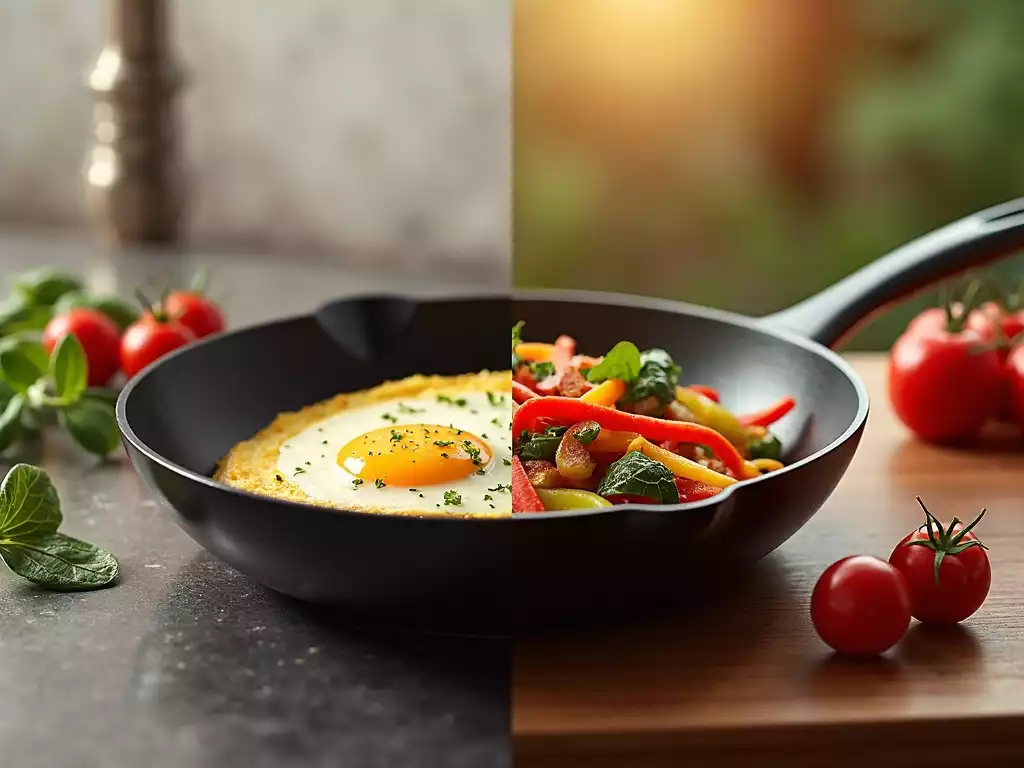
Non-Stick Properties: Superior (e.g., frying eggs, pancakes).
Heat Resistance: Lower (should not be overheated).
Durability: Improved in recent years, but can scratch.
Chemical Makeup: PTFE, modern products PFOA-free.
Ceramic
Non-Stick Properties: Effective, more natural (e.g., sautéing vegetables).
Heat Resistance: Higher (can handle higher temperatures).
Durability: More prone to scratches.
Chemical Makeup: Inorganic, typically no toxic chemicals.
Understanding the Core Differences: Teflon vs Ceramic Cookware
When it comes to choosing cookware, two popular options that often come up are Teflon and ceramic. Each type has its unique characteristics that can greatly impact your cooking experience.
As someone who loves to explore different cooking tools, I find it essential to understand these differences to make informed decisions in the kitchen!
In this first section, we’ll delve into what Teflon and ceramic coatings are, their chemical makeup, and how they function as non-stick cookware. Let’s get started!
What Are Teflon and Ceramic Coatings?
Teflon is a brand name for polytetrafluoroethylene (PTFE), a synthetic polymer known for its excellent non-stick properties. This coating allows food to slide effortlessly off the surface, making it a favorite for frying pans and bakeware.
On the other hand, ceramic cookware features a coating made from sand and other natural materials, providing a different type of non-stick surface that is often marketed as a healthier alternative.
- Teflon: Known for its slick surface and high durability.
- Ceramic: Offers a non-toxic, eco-friendly cooking surface.
- Heat Distribution: Both types provide excellent heat distribution, but their responsiveness to temperature varies.
It’s important to note that while both Teflon and ceramic can enhance your cooking, the way they perform can differ significantly based on the type of food you prepare and the cooking method used. Understanding these differences is crucial for achieving the best results in your kitchen!
Key Chemical Makeup: Insights into Safety
The safety of cookware is always a top concern, and exploring the chemical makeup of Teflon and ceramic is essential for making a sound choice.
Teflon’s primary component, PTFE, is safe when used correctly but has faced scrutiny over its production process in the past, particularly regarding PFOA (perfluorooctanoic acid), a chemical no longer used in most manufacturing processes.
Modern Teflon products are now largely free from harmful chemicals like PFOA, improving their safety profile. The EcoCenter’s Healthy Stuff Lab provides further insights into the undisclosed PFAS coatings in common cookware, highlighting the importance of informed choices.
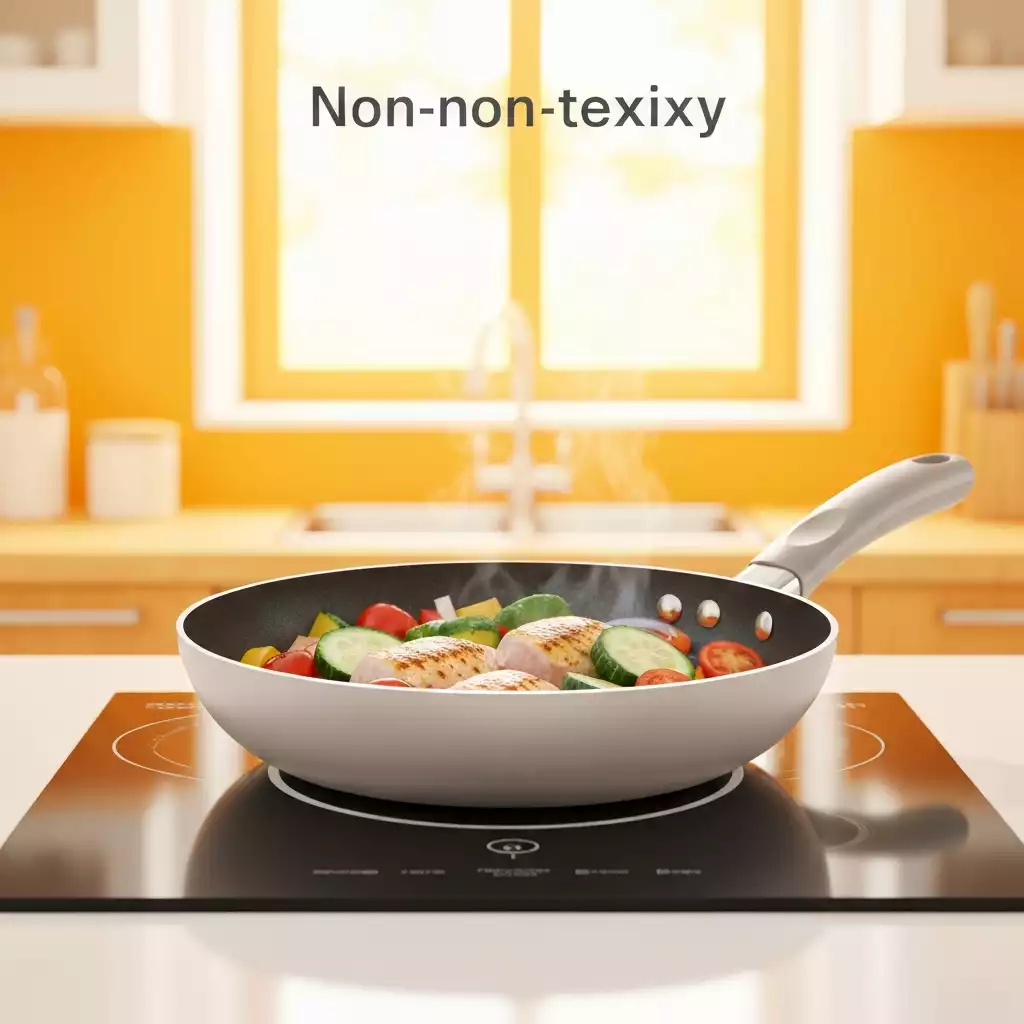
- Ceramic coatings: Typically contain no toxic chemicals and are made from inorganic materials.
- PTFE: Generally considered safe in fully cured cookware but should not be overheated.
- Safety Standards: Both types adhere to safety regulations, but consumer perception varies. You can review Health Canada’s guidelines on the safe use of cookware for more information.
Understanding the chemical makeup helps us weigh safety against performance, ensuring we choose wisely for both our health and cooking enjoyment.
As I navigate these options, I always consider not just the cooking experience but also how safe and reliable each coating is! Also, it’s worth noting that Consumer Reports advises caution regarding claims on non-toxic cookware, emphasizing the need for thorough research.
Exploring Non-Stick Cookware Options: Teflon and Ceramic
When deciding between Teflon and ceramic, it’s essential to explore their non-stick capabilities further. Teflon is often praised for its superior non-stick properties, making it ideal for low-fat cooking and easy clean-up.
However, ceramic cookware has made significant strides and offers a more natural non-stick surface, which can also be very effective.
- Teflon: Best for frying eggs or pancakes without sticking.
- Ceramic: Great for sautéing vegetables and can handle higher temperatures.
- Versatility: Both types of cookware work well for a variety of dishes, but their performance can vary based on the specific food type.
As you consider which non-stick option suits your cooking style, keep in mind the dishes you frequently prepare. I always encourage experimenting with both to see which one fits your cooking techniques best!
Pro Tip
Did you know? When using Teflon cookware, it’s best to avoid high heat settings to preserve the non-stick coating. For ceramic cookware, try using a little oil or butter to enhance its non-stick performance and prevent sticking, especially when cooking delicate foods like fish.
Frequently Asked Questions About Cookware
Summarizing the Teflon vs Ceramic Cookware Debate
After diving deep into the differences between Teflon and ceramic cookware, it’s clear that both options have unique benefits and drawbacks.
Choosing between them really comes down to your personal cooking preferences and priorities. Let’s break down the key takeaways to help you make the best decision for your kitchen!
- Non-stick properties: Teflon tends to offer superior non-stick performance compared to ceramic.
- Heat resistance: Ceramic coatings typically withstand higher heat compared to Teflon.
- Durability: Ceramic cookware can be more prone to scratches, while Teflon has improved in recent years.
- Health considerations: Modern Teflon products are largely free from harmful chemicals like PFOA.
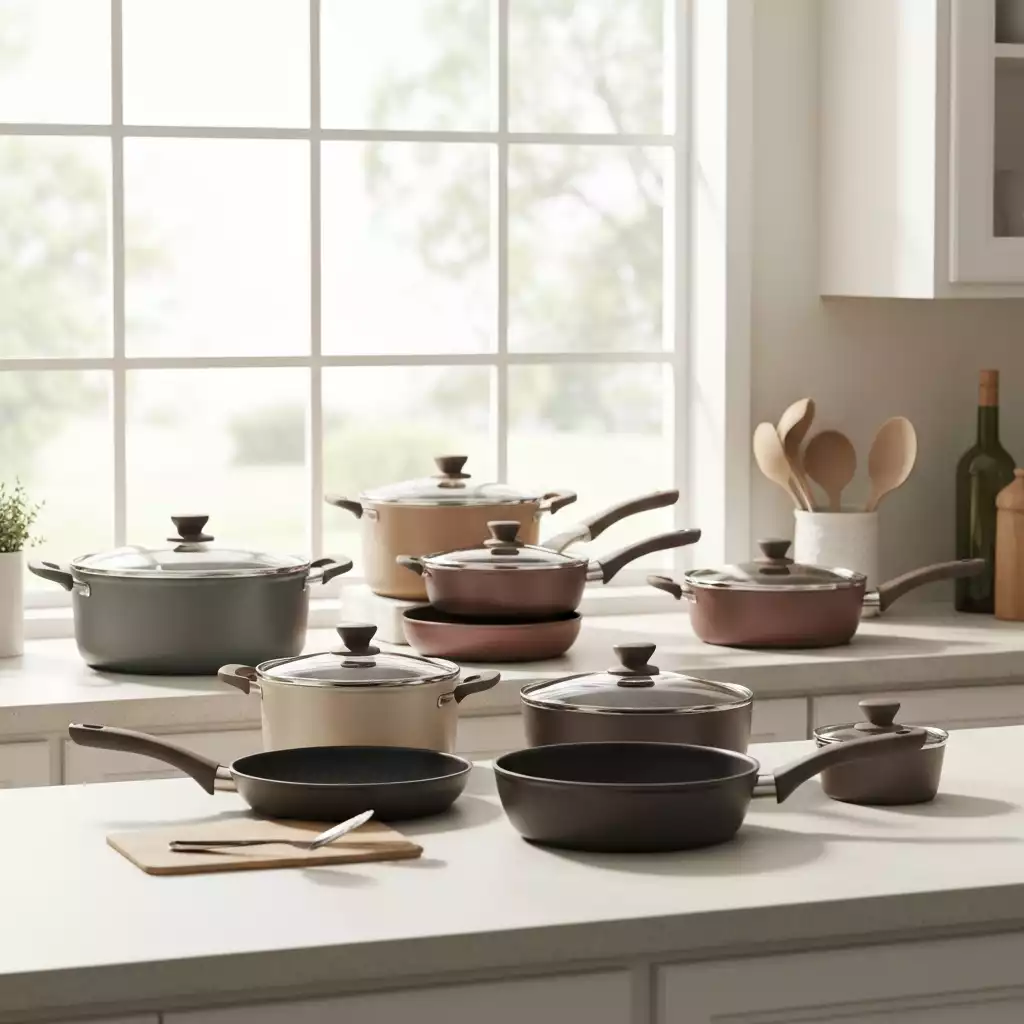
When weighing your options, consider what matters most to you. Are you looking for something that lasts a long time?
Or perhaps you prioritize healthy cooking? These insights can guide you in choosing the right cookware that aligns with your culinary adventures!
Final Recommendations: What to Consider Before Buying
Before you make a purchase, here are several vital aspects to reflect on. These recommendations will ensure you select cookware that not only meets your needs but also enhances your cooking experience:
- Usage frequency: If you cook frequently, investing in high-quality cookware is a smart move.
- Cooking style: Consider your cooking techniques; certain coatings may suit your methods better.
- Budget: Set a realistic budget, keeping in mind that investing a bit more can lead to longer-lasting cookware.
- Care and maintenance: Think about how much effort you want to put into cleaning and maintaining your cookware.
By taking these factors into account, you can confidently choose between Teflon and ceramic cookware, ensuring that your decision aligns perfectly with your cooking lifestyle!
Engaging with Your Cookware Decisions
Your journey with cookware doesn’t end with a purchase—it truly begins! I invite you to share your experiences with Teflon and ceramic cookware. We can learn so much from each other’s cooking triumphs and challenges!
Share Your Experiences: Teflon vs Ceramic Cookware
Have you had a great experience with a specific brand or type of cookware? Or maybe you faced some challenges that you wish to share? We’d love to hear your stories! Engaging with fellow cooking enthusiasts can provide invaluable insights and tips. Your voice matters!
Join the Conversation: Ask Questions and Get Answers
Curious about a specific aspect of Teflon or ceramic cookware? Join our community and ask your questions! We encourage open discussions where you can get answers from both experienced home chefs and industry professionals. Interaction is a great way to enhance your knowledge.
User Reviews: Insights from Home Chefs and Professionals
Don’t overlook user reviews as a powerful tool in your cookware decision-making process. Real feedback from home chefs and culinary experts can give you a clearer picture of what to expect. Whether on our site or other platforms, taking the time to read through these insights can significantly impact your choice!
Recap of Key Points
Here is a quick recap of the important points discussed in the article:
- Non-stick properties: Teflon generally offers superior non-stick performance compared to ceramic cookware.
- Heat resistance: Ceramic coatings typically withstand higher temperatures than Teflon.
- Durability: Teflon has improved durability, while ceramic cookware may be more prone to scratches.
- Health considerations: Modern Teflon products are largely free from harmful chemicals like PFOA, making them a safer choice.
- Usage frequency: For frequent cooks, investing in high-quality cookware is advisable.
- Cooking style: Different coatings may suit various cooking techniques better; consider what you typically prepare.
- Budget: Set a realistic budget, as investing a bit more can lead to longer-lasting cookware.
- Care and maintenance: Consider the level of effort you want to dedicate to cleaning and maintaining your cookware.

3 responses to “Teflon and Ceramic Cookware Explained”
[…] process involves the transformation of liquid oils into a solid, durable layer on your cookware. As the oil heats up during the seasoning process, it undergoes a chemical reaction that changes […]
[…] Yes, ceramic cookware is generally considered safe and non-toxic, offering a natural nonstick surface without harmful […]
[…] Don’t stack heavy pans on ceramic cookware […]