
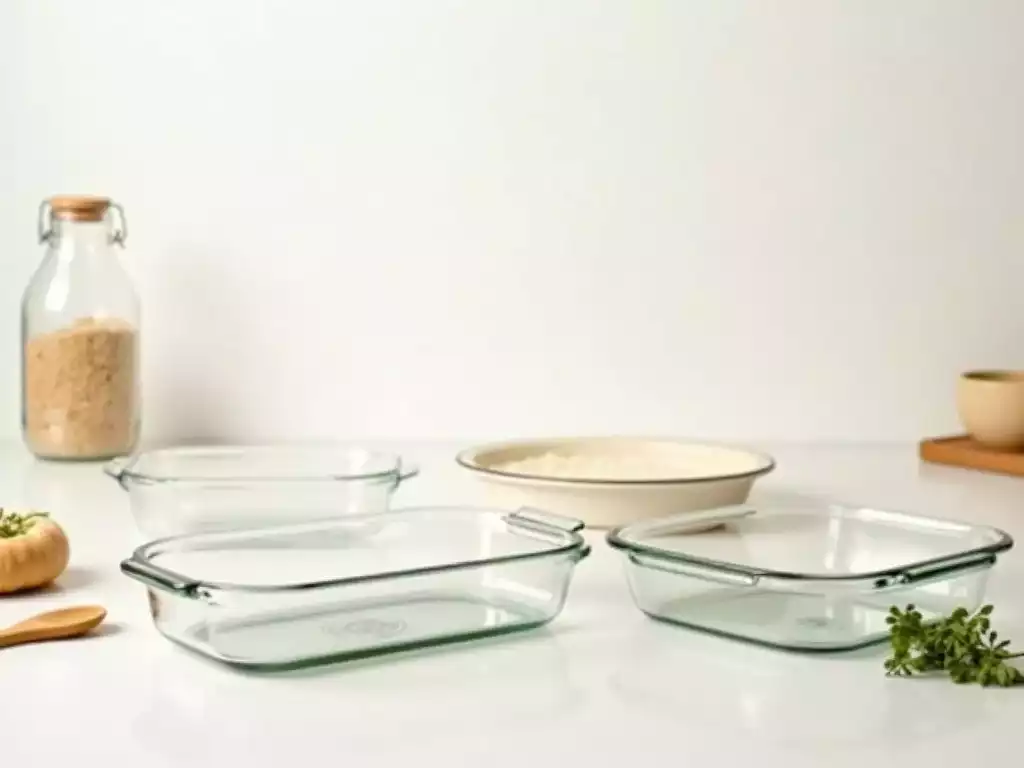
Understanding Glass Bakeware Safety
Baking with glass can elevate your culinary creations, but not all glass is created equal. Understanding the nuances of glass bakeware can lead to safer, more successful cooking experiences.
Are you ready to explore what makes glass bakeware a must-have in your kitchen?
What You Will Learn
- Only use glass bakeware labelled as “oven safe” to prevent shattering when exposed to heat.
- Borosilicate glass offers superior thermal shock resistance, making it ideal for ovens and microwaves.
- Tempered glass is durable but may not handle sudden temperature changes as well as borosilicate glass.
- Familiarize yourself with different types of glass bakeware, such as lasagna dishes and mixing bowls, to enhance your cooking versatility.
- Prioritize eco-friendly and non-toxic options for a healthier kitchen environment and safer cooking experiences.
Glass Bakeware Material Comparison
Understanding the key differences between Borosilicate and Tempered Glass is crucial for oven safety and performance. This comparison highlights their unique properties.
Borosilicate Glass
- Excellent thermal shock resistance
- Can handle sudden temperature changes
- Lightweight construction
- Often more expensive
_Ideal for both oven and microwave due to superior thermal properties._
Tempered Glass
- Increased strength and durability
- Heat-treated for enhanced robustness
- Safe for oven use
- May not handle thermal shock as well as borosilicate
_A durable and sturdy option, but careful with rapid temperature shifts._
Understanding Glass Bakeware and Its Oven Safety
When it comes to cooking and baking, understanding glass bakeware and its oven safety is crucial for every home chef.
Not all glass bakeware is created equal, and knowing the differences can save you from potential disasters in the kitchen.
From casseroles to cakes, glass bakeware has become a popular choice for its durability and ability to evenly distribute heat, but how safe is it in your oven?
Let’s dive deeper into the world of glass bakeware to explore its types and the safety standards that come with using it in the oven. This knowledge will help ensure that your meals turn out perfectly every time you cook!
Is All Glass Bakeware Oven Safe?
Not all glass bakeware is oven safe, and it’s essential to check the manufacturer’s guidelines before you use any dish.
Many people assume that since it’s glass, it can withstand high temperatures, but this isn’t always the case. Some glass products, particularly those not specifically designed for baking, can shatter when exposed to heat.
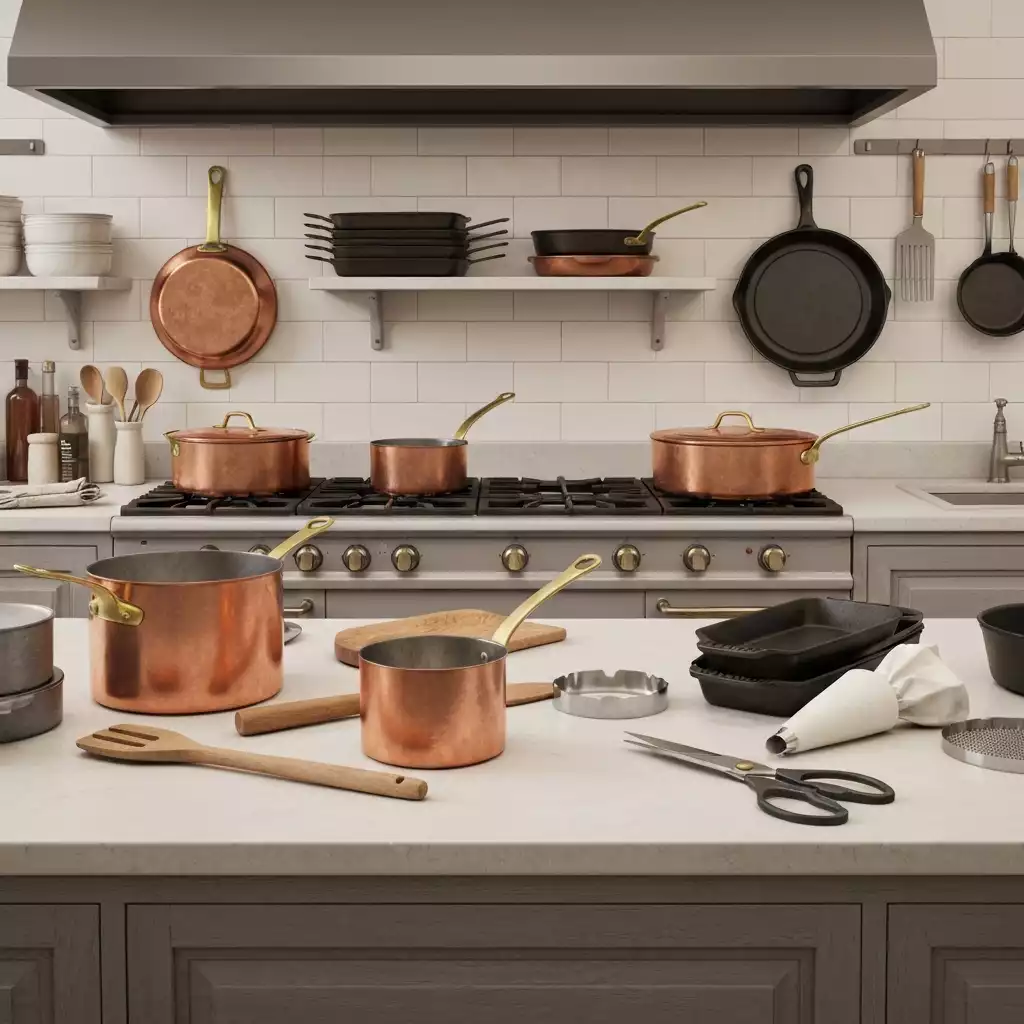
- Always look for bakeware labelled as “oven safe.”
- Check if the glass is designed for high-temperature cooking.
- Avoid using decorative glass dishes that aren’t meant for cooking.
Using the right glass bakeware can enhance your cooking experience, so be sure to invest in quality pieces that can handle the heat!
This way, you can enjoy your culinary creations without worrying about the safety of your bakeware.
Key Materials: Borosilicate vs. Tempered Glass
Understanding the materials used in glass bakeware is vital for ensuring safety and performance. Borosilicate glass is known for its excellent thermal shock resistance, allowing it to handle sudden temperature changes without cracking.
This makes it a top choice for both the oven and the microwave.
On the other hand, tempered glass is heat-treated to increase strength and durability. While it’s also safe for oven use, it may not have the same level of thermal shock resistance as borosilicate glass. Here’s how they compare:
- Borosilicate Glass: Good thermal shock resistance, lightweight, and often more expensive.
- Tempered Glass: Durable and sturdy, but may not handle thermal shock as well.
Knowing these differences can help you make informed choices when selecting your bakeware. It’s all about finding the right type that fits your cooking style!
Common Types of Glass Bakeware
Glass bakeware comes in various shapes and sizes, each designed for specific cooking tasks. Some popular options include:
- Glass Lasagna Dishes: Perfect for layering and baking delicious casseroles.
- Glass Mixing Bowls: Great for combining ingredients before baking.
- Round and Rectangular Bakeware: Ideal for cakes, brownies, and more.
Each type of glass bakeware serves a unique purpose, making it easier to create a range of meals. Whether you’re whipping up a simple dinner or an elaborate dessert, there’s a glass dish out there that fits the bill!
Pro Tip
Did you know? When using glass bakeware, it’s beneficial to avoid sudden temperature changes. For instance, placing a cold dish directly into a hot oven can cause it to crack. To prevent this, allow your bakeware to reach room temperature before use. This simple practice can extend the life of your bakeware and ensure your culinary creations come out perfectly every time!
Frequently Asked Questions About Glass Bakeware
- Q: Is all glass bakeware safe to use in the oven?
- A: No, not all glass bakeware is oven safe. Always check for a clear “oven safe” label from the manufacturer before using it in a hot oven.
- Q: What is the main difference between borosilicate and tempered glass bakeware?
- A: Borosilicate glass offers superior thermal shock resistance, meaning it can handle sudden temperature changes better than tempered glass. Tempered glass is heat-treated for increased strength and durability but is less resistant to thermal shock.
- Q: What types of glass bakeware are commonly available?
- A: Common types include glass lasagna dishes, mixing bowls, and various round and rectangular bakeware suitable for cakes, brownies, and casseroles.
- Q: How can I ensure the safety of my glass bakeware?
- A: Always look for “oven safe” labels, understand the material (borosilicate is generally safer for temperature changes), avoid placing cold dishes directly into a hot oven, and consider eco-friendly and non-toxic options when possible. Additionally, be aware of potential contaminants like lead in food and foodwares, which can be found in some older or improperly manufactured glass products.
- Q: Are there any specific temperature considerations for glass bakeware?
- A: It’s crucial to avoid extreme and sudden temperature changes. For example, do not transfer glass bakeware directly from the freezer to a hot oven. Allowing dishes to reach room temperature before heating can prevent cracking. For more insights on safe cooking practices, you can refer to resources like the CMAJ (Canadian Medical Association Journal) on food safety.
Summary of Safety and Usage Insights for Glass Bakeware
As we wrap up our exploration of glass bakeware, it’s essential to recap the key insights regarding safety and usage.
From understanding the differences between borosilicate and tempered glass to recognizing the importance of preheating, we’ve covered a lot!
These insights are crucial for ensuring that your glass bakeware performs well and lasts long.

Remember, the unique qualities of glass bakeware make it a versatile choice for any kitchen, but using it correctly is vital.
Adhering to temperature guidelines, avoiding common mistakes, and selecting the right brands can significantly impact your cooking experience.
Final Thoughts: Making Informed Choices
When it comes to glass bakeware, making informed choices is key! With the knowledge you’ve gained, I encourage you to carefully evaluate your options before purchasing. Look for quality brands, ensure that you understand product labels, and opt for non-toxic materials whenever possible. This way, you can enjoy your cooking with peace of mind, knowing you’re making safe and healthy decisions.
- Choose brands known for their quality and safety features.
- Look for clear “oven safe” labels on products.
- Prioritize eco-friendly options for a healthier kitchen environment.
By applying this knowledge, you’ll be able to confidently use glass bakeware in a variety of cooking scenarios, enhancing your culinary adventures while keeping safety in mind!
Engage with Us: Share Your Glass Bakeware Experiences
I would love to hear from you! Have you had any memorable experiences with glass bakeware? Maybe you’ve had a surprising success or a mishap you’d like to share?
Please take a moment to comment below with your stories or any questions you have about glass bakeware safety and usage. Your insights could help others in our community make better choices!
Let’s keep this conversation going and learn from each other’s experiences. Your feedback is invaluable, and I can’t wait to hear from you!
Recap of Key Points
Here is a quick recap of the important points discussed in the article:
- Not all glass bakeware is oven safe; always check for “oven safe” labels.
- Borosilicate glass offers better thermal shock resistance than tempered glass.
- Common types of glass bakeware include Lasagna dishes, mixing bowls, and various bakeware shapes.
- Invest in quality brands and eco-friendly options for safer cooking.
- Understand the materials and usage guidelines to enhance your cooking experience.

One response to “Understanding Glass Bakeware Safety”
[…] Understanding the chemical makeup helps us weigh safety against performance, ensuring we choose wisely for both our health and cooking enjoyment. […]