Best Cast Aluminum Bundt Pans
Latest Update: October 04, 2026
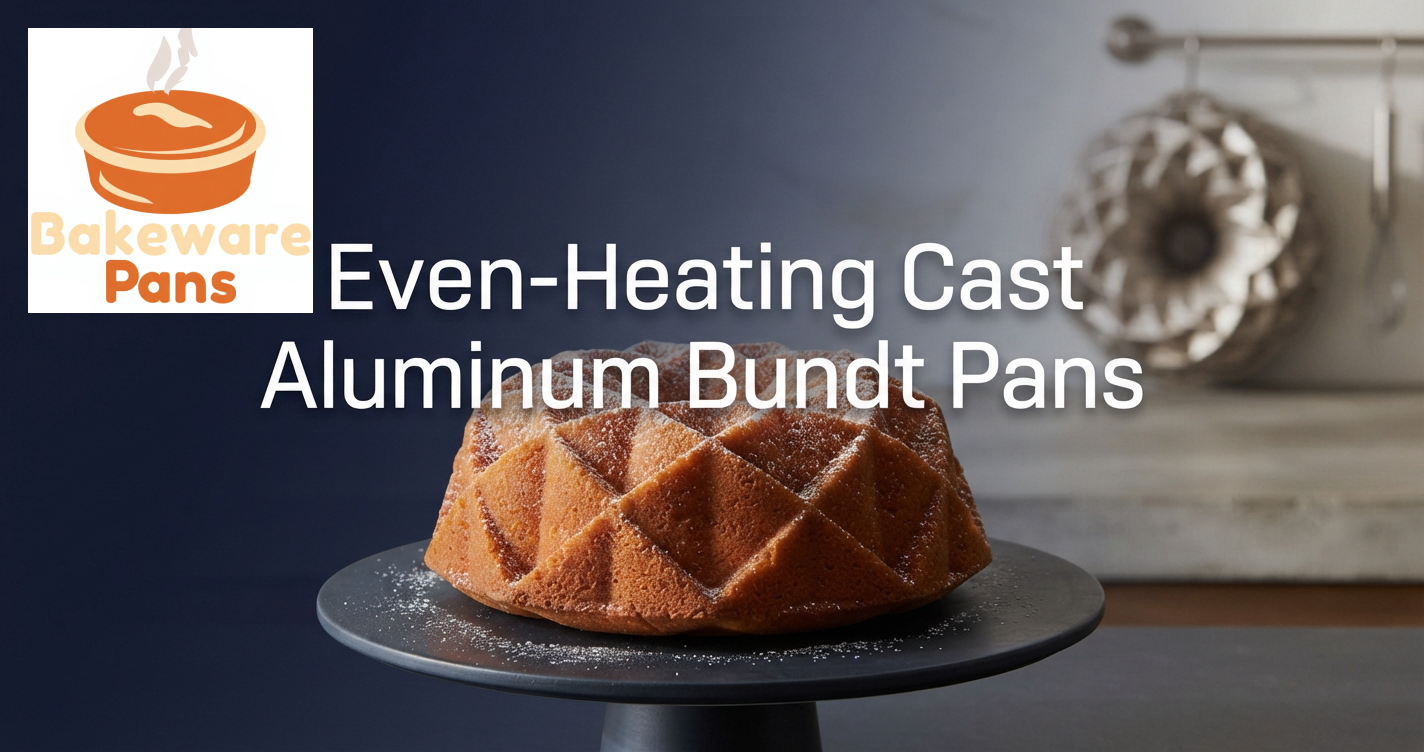
Best Cast Aluminum Bundt Pans: for Even Heat Distribution are judged by more than the material name. We explain how construction, pan color, capacity, shape, and care affect browning, doneness, and cake release.
Key Takeaways
- Look beyond the material. Cast aluminum conducts heat well, but wall thickness and pan shape also influence how evenly a cake bakes.
- Compare the finish. Dark surfaces can brown a cake more quickly than lighter ones, so use the cake’s appearance and doneness cues as well as the recipe time.
- Match the recipe’s capacity. Many Bundt recipes call for pans around 10 to 12 cups. Follow the recipe’s stated capacity when it gives one.
- Prepare every groove. A nonstick coating helps with release, but careful greasing still matters, especially in an intricate design.
- Check more than one area. Consistent browning and a clean toothpick test offer a better read than judging only the darkest ridge.
- Compare with a repeatable bake. Use the same recipe, batter amount, and oven setup to see how different pans perform.
See also: B02q9Rx2B.
How Cast Aluminum Compares With Other Pan Materials
Cast aluminum is made by pouring molten aluminum into a shaped mold. Formed aluminum starts as sheet metal that is pressed or shaped into a pan, so cast pans can have substantial walls and detailed patterns, while formed pans are often lighter and easier to handle.
Aluminum conducts heat readily, helping the batter warm along both the outer wall and the center tube. Steel conducts heat less readily, while glass heats more slowly and holds heat longer, so cakes can respond differently as the bake progresses.
Our cast aluminum Bundt pan guide covers heat flow, size, shape, and release. Use it alongside the pan’s construction details, because the name of the material alone cannot tell you how thickly or evenly the pan is made.
| Material or construction | How it behaves | What to consider |
|---|---|---|
| Cast aluminum | Conducts heat well and can form detailed, substantial shapes. | Consider wall thickness, weight, and how comfortably you can lift it. |
| Formed aluminum | Uses shaped sheet metal and often produces a lighter pan. | Check for steady construction and walls that are not excessively thin. |
| Steel | Conducts heat less readily than aluminum. | Pan thickness and finish still affect how quickly it browns a cake. |
| Glass | Heats more slowly and retains heat longer. | Allow for the way its heat retention can affect baking and cooling. |
What Helps a Bundt Cake Bake Evenly
For even heat distribution, choose a sturdy pan with reasonably consistent wall thickness. Very thin areas can heat and brown faster than thicker sections, leaving the cake with noticeably different color or texture around its ring.
Pan color matters too. A dark finish absorbs more radiant heat than a lighter finish and can brown the exterior faster, so watch the cake rather than expecting every pan to follow the same timing.
Look across the cake for steady browning, then check doneness in more than one spot. A toothpick inserted into the cake should come out clean or with a few moist crumbs, not wet batter.
- Consider whether the pan feels sturdy and whether its walls appear consistent.
- Compare the cake’s color around the outer edge, center opening, and ridges.
- Account for oven hot spots, rack position, and the type of batter.
- Rotate the pan only when the recipe permits, and use visual cues alongside the suggested baking time.
A dense batter and a light sponge can bake at different paces, even in the same pan. Material helps explain heat movement, but your oven and recipe determine what happens during an individual bake.
Match Pan Capacity to the Recipe
Many Bundt recipes are written for pans around 10 to 12 cups, but pan capacity and batter volume vary. Use the capacity specified by the recipe when it provides one, since matching the pan to the batter helps prevent overflow and supports the intended cake shape.
Leave room above the batter for it to rise. Filling close to the rim can cause spillover, while using too little batter in a large pan may create a shallow cake that finishes sooner than expected.
Changing capacity changes the batter’s depth and how quickly heat reaches its center. Begin checking for doneness early when you adapt a recipe, and use its visual cues rather than carrying over the original timing automatically.
If you are comparing an individual option, use the same capacity questions with the Bundt pan product listing. Capacity, wall shape, and the amount of batter you plan to bake are more useful comparisons than a material label by itself.
Choose Flutes, Grooves, and a Finish You Can Manage
Flutes and the center tube create the familiar ring shape and expose more batter to the pan surface. Detailed grooves can make a dramatic cake, but they take more attention when you grease the pan and turn the cake out.
A nonstick coating can help with cake release, but it does not replace preparation. Grease each groove, including the narrow areas near the center tube, because a missed patch can hold onto the finished cake.
Smooth or lightly detailed pans are easier to grease and clean. Elaborate patterns can create striking ridges, but require a thorough coating and a careful release so the finished design stays intact.
Handles and weight affect how you move a filled pan and support it while unmolding. Choose a pan you can lift steadily with oven mitts, and make sure its shape gives you a secure grip without tipping the batter.
Inspect a coated surface as it ages. Peeling, deep scratches, or worn patches can interfere with release, and a pan with this kind of damage should no longer be used.
Prepare, Release, and Care for the Pan
Use a pastry brush to spread a thin, even layer of suitable grease into the grooves and around the center tube. Dust with flour when the recipe calls for it, and avoid leaving pools of grease that can mark the cake’s surface.
When the cake is baked, follow the recipe’s cooling directions before turning it out. Loosen the edges gently, then invert the pan with a steady motion, since unmolding either too soon or too late can increase the chance of breakage.
Wash the pan by hand with mild soap and a soft sponge. Avoid abrasive cleaners, metal utensils, and scouring pads, which can scratch a nonstick finish and make release less dependable over time.
- Dry the pan fully before putting it away.
- Store it where other bakeware will not scrape its surface.
- Use gentle tools around detailed grooves so the finish remains smooth.
Compare Pans With a Practical Baking Test
A repeatable cake test helps you judge heat distribution more usefully than appearance or material claims alone. Use the same recipe and batter volume in each pan, and place them on the same oven rack so fewer parts of the setup change.
Cast aluminum Bundt pans help move heat through the cake ring. Compare pan construction, color, and shape when judging how a cake bakes.
Compare browning around the outer edge and across the ridges, then test more than one area for doneness. A single dark spot can reflect a local hot area rather than the condition of the whole cake.
After the recipe’s cooling period, record how easily the cake releases and whether the grooves retain residue. That gives you a practical comparison of browning, doneness, unmolding, and cleanup, not just how the pans look on the counter.
Repeat the comparison if the results differ from one bake to another. Oven behavior and batter consistency can change the outcome, so one cake does not always show how consistently a pan performs.
See also: B02q9Rx2B.
Conclusion
The Best Cast Aluminum Bundt Pans: for Even Heat Distribution combine useful heat conductivity with steady construction, a manageable finish, and the right capacity for your recipe.
Compare wall thickness, pan color, weight, groove detail, and release rather than choosing by material name alone.
Prepare every groove, follow the recipe’s cooling directions, and test doneness across the cake.
Those simple checks help you choose and use Cast Aluminum Bundt Pans with more predictable browning and cleaner release.
Frequently Asked Questions
What are the best pans for heat distribution?
For a Bundt cake, choose a pan with even wall thickness and a shape that exposes the batter consistently to the outer wall and center tube. A correctly calibrated oven also matters, so an oven thermometer can help distinguish pan performance from an inaccurate temperature reading.
What is America’s Test Kitchen’s favorite Bundt pan?
America’s Test Kitchen recommendations are tied to the models included in its specific tests. Use the model named in the test you are consulting, then decide whether its capacity, design, and handling suit your recipes.
Do they make aluminum Bundt pans?
Yes, aluminum Bundt pans are available in cast and formed constructions. Some also have anodized surfaces or nonstick coatings, which offer different surface finishes and care needs.
What is the difference between a Bundt pan and a fluted tube pan?
A Bundt pan describes a decorative ring pan with a center tube, while fluted tube pan describes the shape more broadly. Fluted tube pans can have a simpler outline, while Bundt designs often emphasize detailed outer ridges.
Can a Bundt pan be used for recipes other than cake?
Yes, a Bundt pan can shape pull apart bread, savory ring loaves, and molded chilled desserts. Choose recipes with a consistency that can set in the pan’s center opening and release from its ridges.

Leave a Reply
You must be logged in to post a comment.