As you embark on your pizza-making journey, consider this: the right tool can be the difference between a mediocre pie and a masterpiece. Are you ready to up, your pizza game?
What You Will Learn
- Pizza stones are typically made from cordierite or ceramic, known for excellent heat retention.
- Pizza steels, made from stainless or carbon steel, provide superior heat conductivity for faster cooking times.
- Durability matters: steel is less likely to crack compared to stone, making it a more reliable option.
- Different materials require different maintenance; stones need gentle handling, while steels can endure more scrubbing.
Pizza Stone vs. Pizza Steel: Key Performance Attributes
Understanding the fundamental differences between pizza stones and steels is crucial for achieving your desired pizza outcome. This comparison highlights their unique characteristics across material, heat conductivity, and durability.
Pizza Stone
- Material:
Cordierite, Ceramic - Heat Cond.:
Retains heat well, gradual transfer - Cooking Time:
Longer than steel - Durability:
Can be fragile, prone to cracking - Crust:
Traditional, crispy due to moisture absorption
Pizza Steel
- Material:
Stainless Steel, Carbon Steel - Heat Cond.:
Rapid, efficient heat transfer - Cooking Time:
Faster than steel - Durability:
Very durable, less prone to breaking - Crust:
Crispier, often with a better char
Understanding the Essentials: Pizza Stone vs Pizza Steel
When it comes to making the perfect pizza at home, the choice between a pizza stone and a pizza steel can significantly impact your results. Pizza stones are typically made from materials like cordierite or ceramic, which are renowned for their ability to absorb moisture and provide a crispy crust. On the other hand, pizza steels are crafted from various types of steel, known for their remarkable heat conductivity and durability. Each option has its own unique advantages that can elevate your pizza-making game!
Understanding what a pizza stone and a steel are, along with their materials, is essential for any home chef or pizza enthusiast. This knowledge will guide you in selecting the right tool to achieve your desired pizza outcome. Now, let’s dive deeper into why you should consider the differences between these two options.
What Are Pizza Stones and Steels?
Pizza stones are flat, heavy slabs designed to distribute heat evenly while baking your pizzas. They come in various materials, but cordierite is a favorite among many due to its ability to withstand intense heat without cracking. Conversely, pizza steels are made from steel, providing a more robust and efficient heat transfer. This translates to a shorter cooking time, allowing pizzas to bake more quickly and evenly.
- Cordierite Pizza Stones: Known for excellent heat retention and affordability.
- Ceramic Pizza Stones: Provide a crispy crust but can be fragile.
- Stainless Steel Pizza Steels: Durable and ideal for high-temperature baking.
- Carbon Steel Pizza Steels: Offer rapid heat conduction, perfect for a quick bake.
By knowing the distinctions between these materials, you can better decide which option aligns with your pizza-making needs!
Why Choose Between a Pizza Stone and a Steel?
The choice between a pizza stone and a steel is crucial for home chefs and pizza lovers looking to enhance their cooking experience. Each tool brings unique qualities to the table, and understanding these can help you make an informed decision based on your cooking style and preferences. For instance, if you’re after a traditional, crispy crust, a pizza stone may be your best bet. However, if speed and efficiency are your priorities, then a pizza steel could be the winner!
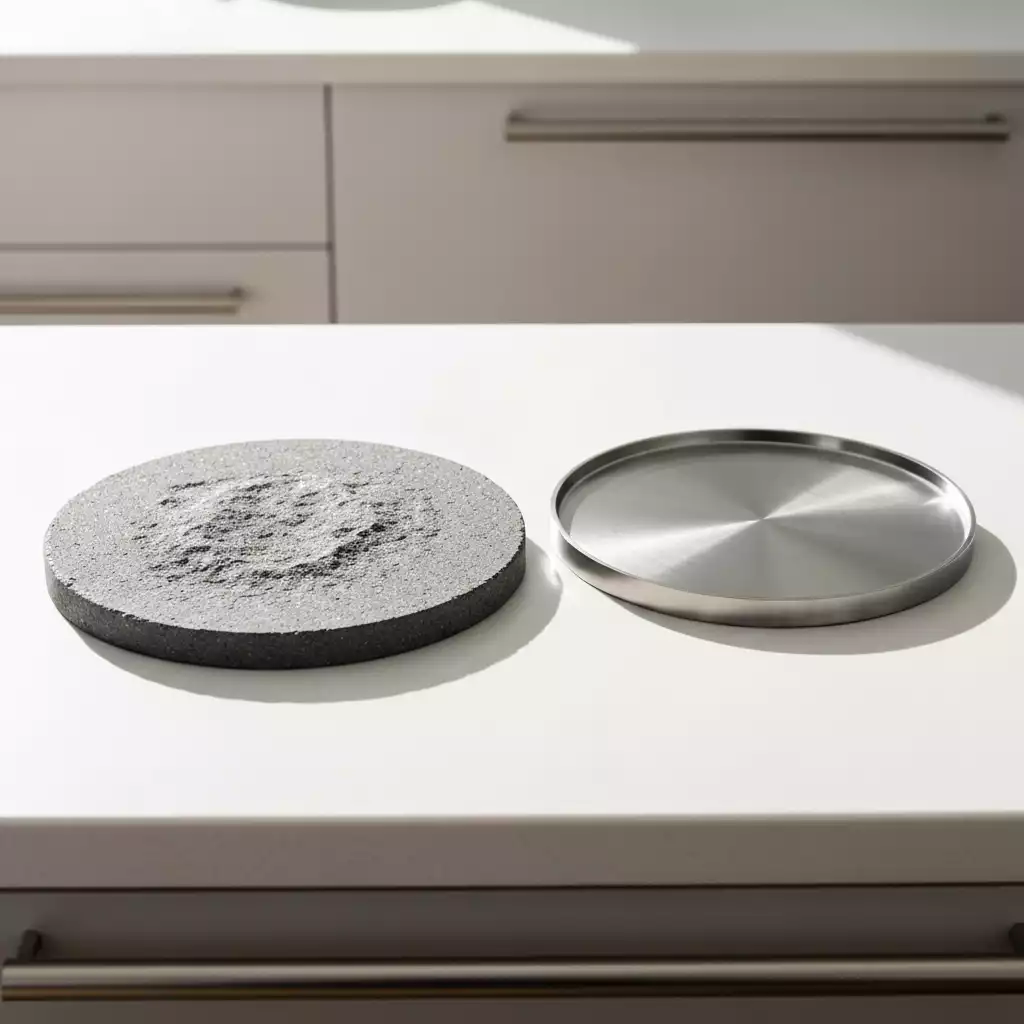
- Heat Retention: Stones retain heat well, while steels provide rapid heat transfer.
- Cooking Time: Steels generally cook pizzas faster than stones.
- Durability: Steel is less likely to crack or break compared to stone.
Ultimately, the decision comes down to your personal preferences and cooking habits. It’s essential to consider your typical pizza recipe and what you’re aiming to achieve!
Key Performance Attributes: Heat Conductivity and Cooking Ease
One of the most significant factors to consider when comparing pizza stones and steels is their heat conductivity. This property directly influences cooking times and the quality of your pizza crust, making it essential for home chefs to understand. For a deeper understanding of heat transfer in pizza baking, you might find this academic work on heat and mass transfer during baking insightful.
Pro Tip
When using a pizza stone, preheat it in the oven for at least 30 minutes before baking. This ensures it reaches the optimal temperature for creating that crispy crust you desire. For pizza steels, remember to use a lower baking temperature initially to prevent any warping, and then crank up the heat for the final bake!
Frequently Asked Questions (FAQs)
- Q: What are the main materials used for pizza stones and steels?
- A: Pizza stones are typically made from cordierite or ceramic. Pizza steels are usually made from stainless steel or carbon steel.
- Q: Which offers faster cooking times: a pizza stone or a pizza steel?
- A: Pizza steels offer faster cooking times due to their superior heat conductivity compared to pizza stones.
- Q: Is a pizza steel more durable than a pizza stone?
- A: Yes, pizza steels are generally more durable and less prone to cracking or breaking compared to pizza stones.
- Q: How does the crust differ when using a pizza stone versus a pizza steel?
- A: Pizza stones often result in a traditional, crispy crust due to moisture absorption. Pizza steels typically produce a crispier crust with a better char because of rapid, efficient heat transfer.
- Q: What maintenance considerations should I keep in mind for each?
- A: Pizza stones require gentle handling and cleaning. Pizza steels can endure more vigorous scrubbing and are less delicate.
Conclusion: Choosing Your Perfect Pizza Companion
In summary, selecting between a pizza stone and a pizza steel can significantly impact your baking experience. Both options have unique advantages, from the heat retention of pizza stones to the quick heat conductivity of pizza steels. Understanding these differences helps you make an informed decision tailored to your cooking style and preferences.
Here are the main takeaways from our comparison:
- Material Matters: Pizza stones are often made from cordierite or ceramic, while steels are typically stainless steel or carbon steel.
- Heat Conductivity: Pizza steels usually provide faster cooking times and a crispier crust due to their superior heat conduction.
- Durability: Steel tends to be more durable than stone, which can crack or break under certain conditions.
- Maintenance: Cleaning practices vary; stones require gentle handling, while steels can often be scrubbed more vigorously.
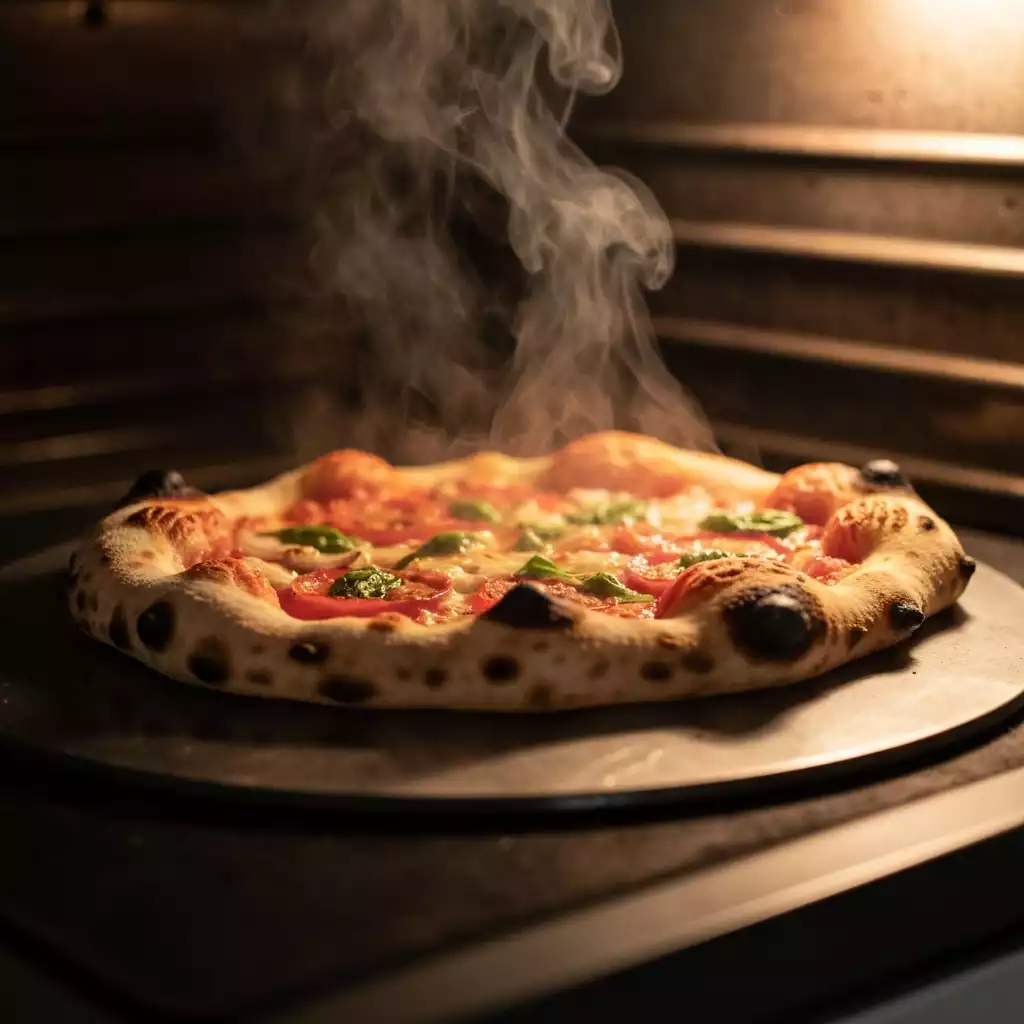
Ultimately, the choice of whether to use a pizza stone or steel depends on your own cooking habits. Whether you’re a beginner or a seasoned chef, understanding these elements can enhance your pizza-making skills!
Take Action: Ready to Elevate Your Pizza Game?
Now that you’ve explored the differences between pizza stones and steels, it’s time to evaluate your cooking needs and preferences. Are you looking for quick cooking times and excellent crusts? Or do you prefer the gentle, even heat a pizza stone provides? Share your thoughts and experiences in the comments below, and feel free to ask any questions you might have!
Explore Further: The Science of Pizza Making
If you’re eager to dive deeper into the world of pizza-making, I invite you to check out our other articles and resources. Learning about dough techniques, sauce recipes, and toppings can transform your pizza nights into gourmet experiences. Click here to discover more tips and tricks for perfecting your pizza-making skills!
Recap of Key Points
Here is a quick recap of the important points discussed in the article:
- Material Matters: Pizza stones are often made from cordierite or ceramic, while steels are typically stainless steel or carbon steel.
- Heat Conductivity: Pizza steels usually provide faster cooking times and a crispier crust due to their superior heat conduction.
- Durability: Steel tends to be more durable than stone, which can crack or break under certain conditions.
- Maintenance: Cleaning practices vary; stones require gentle handling, while steels can often be scrubbed more vigorously.