Brioche Mold
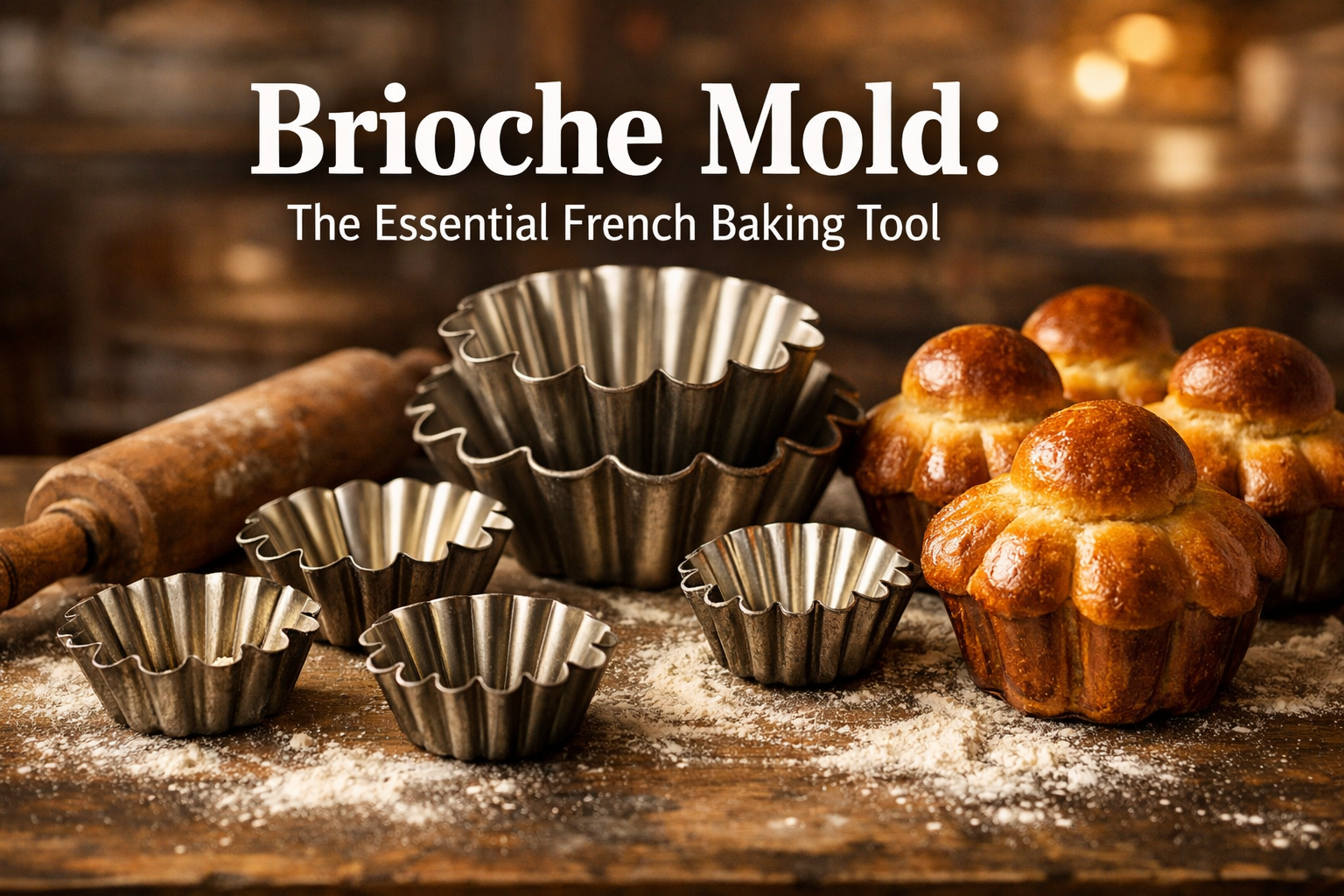
Picture this: a Parisian bakery at dawn, where the aroma of butter-enriched dough fills the air, and rows of golden brioche loaves emerge from vintage ovens, each bearing the signature fluted pattern that has defined French baking for centuries. At the heart of this tradition lies a deceptively simple tool, the brioche mold.
This fluted pan transforms ordinary enriched dough into an edible masterpiece, creating the iconic ridged pattern that distinguishes authentic French brioche from all other breads.
For passionate bakers seeking to master the art of brioche à tête, understanding the nuances of this specialized baking equipment marks the difference between good bread and exceptional pastry.
The brioche mold isn’t merely a pan; it’s a connection to culinary heritage, a precision instrument that shapes both dough and tradition.
Whether crafting individual breakfast pastries or a show-stopping centre piece loaf, selecting the right French tin baking mold elevates your baking from amateur attempts to professional quality results.
Key Takeaways
- Brioche molds feature distinctive fluted sides that create the traditional ridged pattern essential to authentic French brioche baking
- Material selection significantly impacts baking performance, with tinned steel offering superior heat conductivity compared to silicone or ceramic alternatives
- Individual brioche molds (3-4 inches) excel for personal servings, while larger pans (8-9 inches) create impressive centerpiece loaves
- Proper preparation and maintenance of professional baking equipment extends lifespan and ensures consistent release of delicate enriched dough
- Understanding traditional French baking techniques maximizes the potential of these specialized pastry tools
Understanding the Brioche Mold: History and Purpose
The Cultural Significance of French Baking Tools
The brioche mold emerged from centuries of French culinary refinement, where form and function merged to create baking equipment that honored both aesthetics and practicality.
Traditional French bakers recognized that the fluted design served multiple purposes beyond mere decoration.
The ridged pattern increases surface area, promoting even browning and creating textural contrast between the crispy exterior ridges and soft interior crumb[1].
In professional French bakeries, the brioche pan represents more than kitchen bakeware, it symbolizes adherence to time-honored techniques that distinguish artisan bread making from industrial production.
The classic shape, particularly for brioche à tête (brioche with a head), requires precise molds geometry to support the characteristic mushroom-shaped top that crowns this enriched bread.
What Defines a True Brioche Mold
A genuine tin baking mold designed for brioche features several critical characteristics:
- Fluted sides with 8-12 evenly spaced vertical ridges
- Sloped walls that taper slightly outward for easy release
- Smooth interior finish to prevent dough adhesion
- Sturdy construction that maintains shape under high oven temperatures
- Appropriate depth (typically 2-3 inches) for proper dough expansion
These specifications aren’t arbitrary, they reflect generations of baking wisdom encoded into the physical design of French pastry tools.
The fluting creates structural support for butter-rich dough that might otherwise collapse, while the tapered walls facilitate the gentle release essential when working with delicate enriched breads[2].
Types of Brioche Molds and Material Considerations
Individual Brioche Molds vs. Large Format Pans
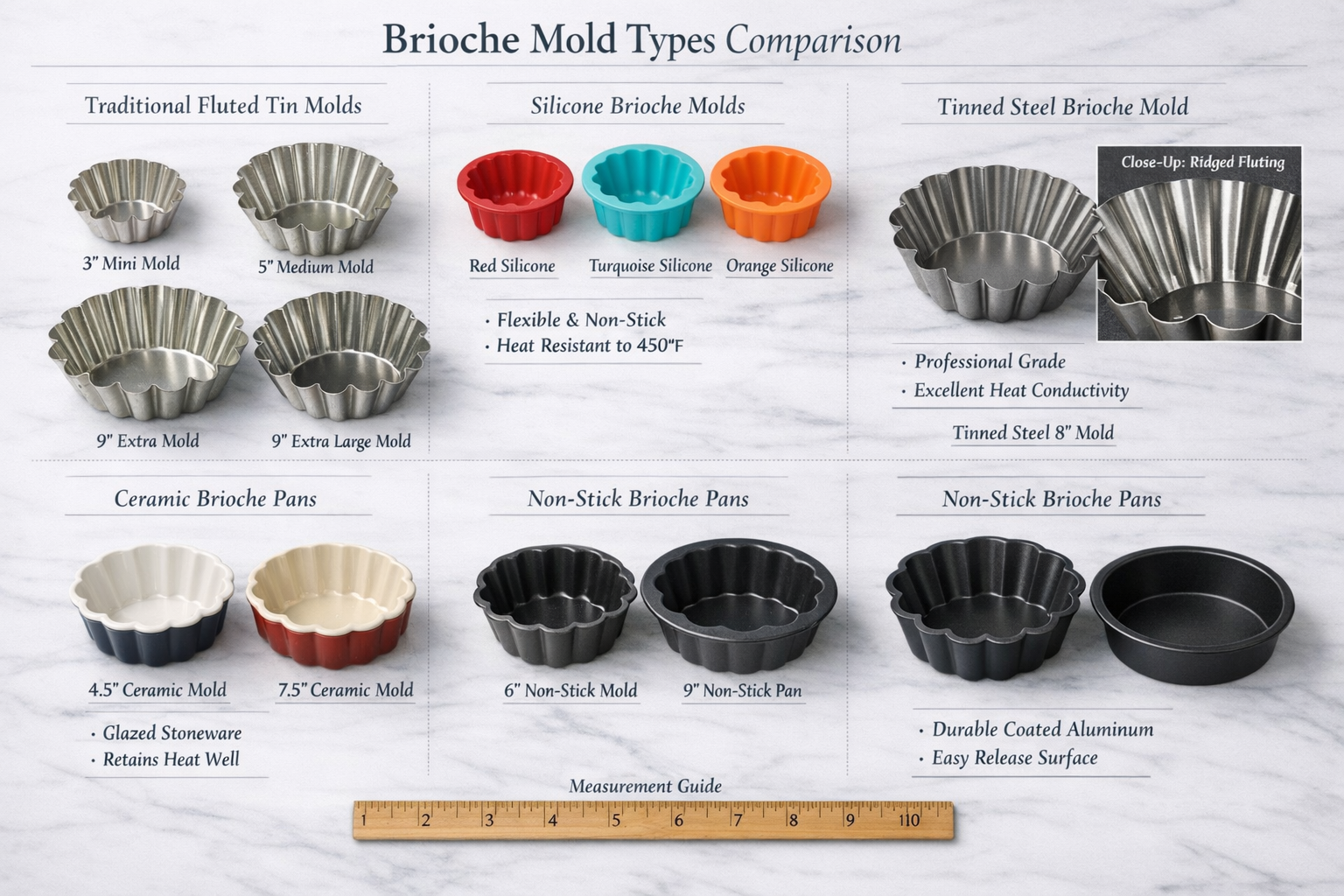
Individual brioche molds typically measure 3-4 inches in diameter, perfect for creating personal-sized portions that bake in 15-20 minutes. These smaller pans offer several advantages for home bakers:
| Mold Size | Capacity | Baking Time | Best Use |
|---|---|---|---|
| 3-inch individual | 2-3 oz dough | 15-18 minutes | Breakfast pastries, dinner rolls |
| 4-inch individual | 3-4 oz dough | 18-22 minutes | Brunch service, gift presentations |
| 8-inch large | 1.5-2 lbs dough | 35-40 minutes | Family meals, special occasions |
| 9-inch large | 2-2.5 lbs dough | 40-45 minutes | Centerpiece loaves, celebrations |
Large format classic brioche pans create impressive loaves ideal for slicing and sharing. These professional-grade options require longer baking times but produce spectacular results worthy of special occasions.
For those building their collection of bakeware essentials for new bakers, starting with a set of individual molds provides versatility before investing in larger specialty pieces.
Material Comparison: Finding Your Perfect Match
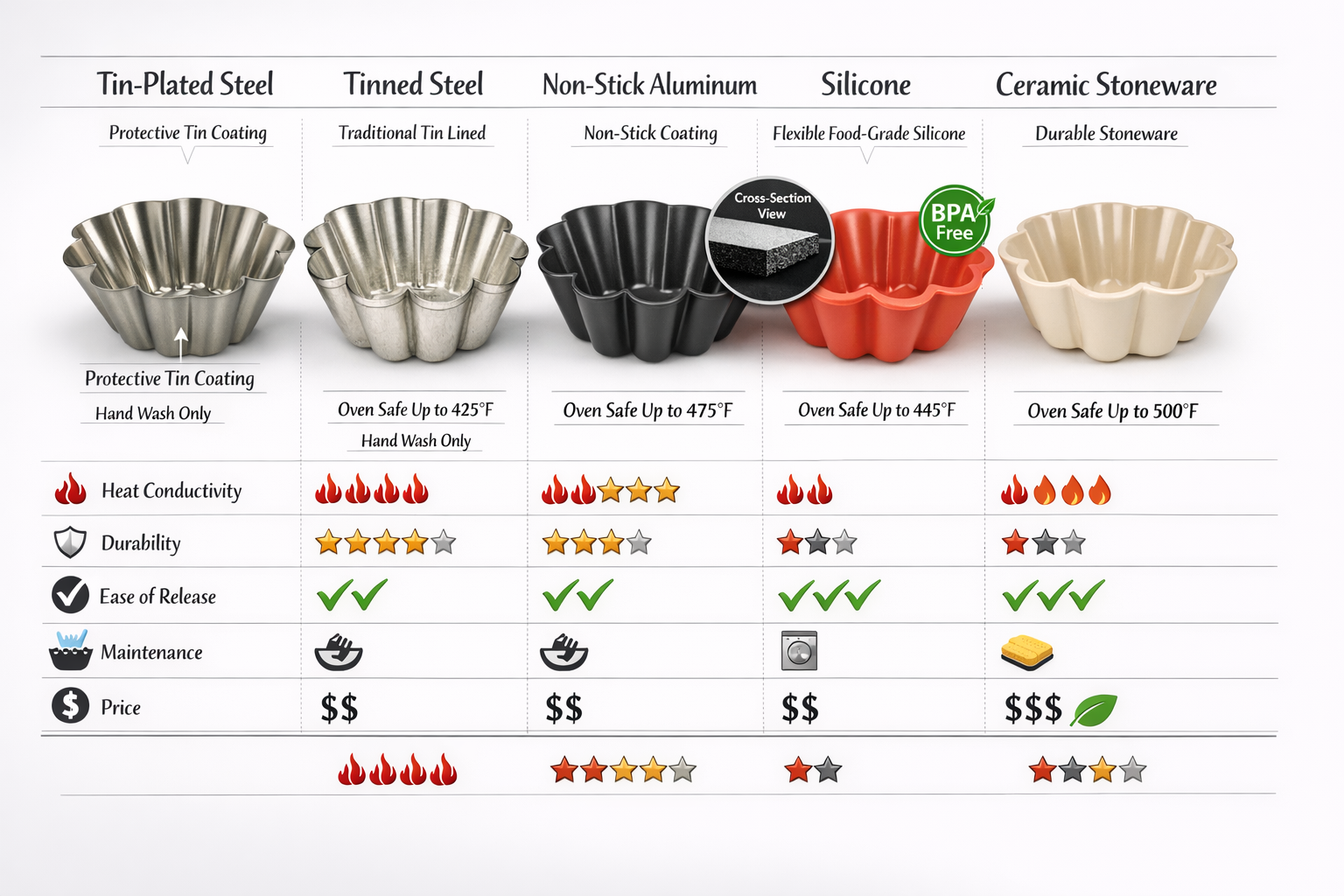
The material composition of your brioche mold fundamentally affects baking performance, durability, and maintenance requirements.
Tinned Steel (Traditional Choice) ⭐⭐⭐⭐⭐
- Superior heat conductivity for even browning
- Authentic traditional appearance
- Requires seasoning and careful maintenance
- Professional baker’s preference
- Moderate price point ($15-30 per mold)
Tin-Plated Steel (Modern Standard) ⭐⭐⭐⭐⭐
- Excellent heat distribution
- Rust-resistant coating
- Easy release with proper preparation
- Industry standard for culinary professional tools
- Affordable ($12-25 per mold)
Non-Stick Aluminum ⭐⭐⭐⭐
- Effortless release
- Lightweight construction
- Less traditional browning pattern
- Coating may degrade over time
- Budget-friendly ($8-18 per mold)
Silicone ⭐⭐⭐
- Flexible for easy unmolding
- Dishwasher safe
- Poor heat conductivity affects crust development
- Lacks traditional aesthetic
- Inexpensive ($6-15 per mold)
Ceramic/Stoneware ⭐⭐⭐
- Beautiful presentation
- Retains heat well
- Heavy and fragile
- Slower heat response
- Premium pricing ($20-40 per mold)
For serious bakers committed to authentic results, tin-plated steel represents the optimal balance of performance and practicality.
This material delivers the crispy, golden-brown crust that defines exceptional brioche while offering reasonable maintenance demands.
Those seeking affordable baking tools to try might begin with non-stick aluminum before graduating to professional-grade tinned options.
Sustainability and Long-Term Investment
When evaluating bread baking equipment, sustainability considerations increasingly influence purchasing decisions.
Metal brioche molds, particularly tinned steel and tin-plated varieties, offer exceptional longevity when properly maintained.
A quality tin mold can serve three generations of bakers, making it a genuinely sustainable choice compared to non-stick coatings that degrade or silicone that eventually tears[3].
Professional pastry chefs often maintain collections of vintage French brioche mold acquired decades ago, testament to the durability of traditional materials.
This longevity aligns with broader movements toward sustainable bakeware brand options that prioritize quality over disposability.
Mastering Brioche Baking Techniques with Your Mold
Preparing Your Brioche Mold for Success
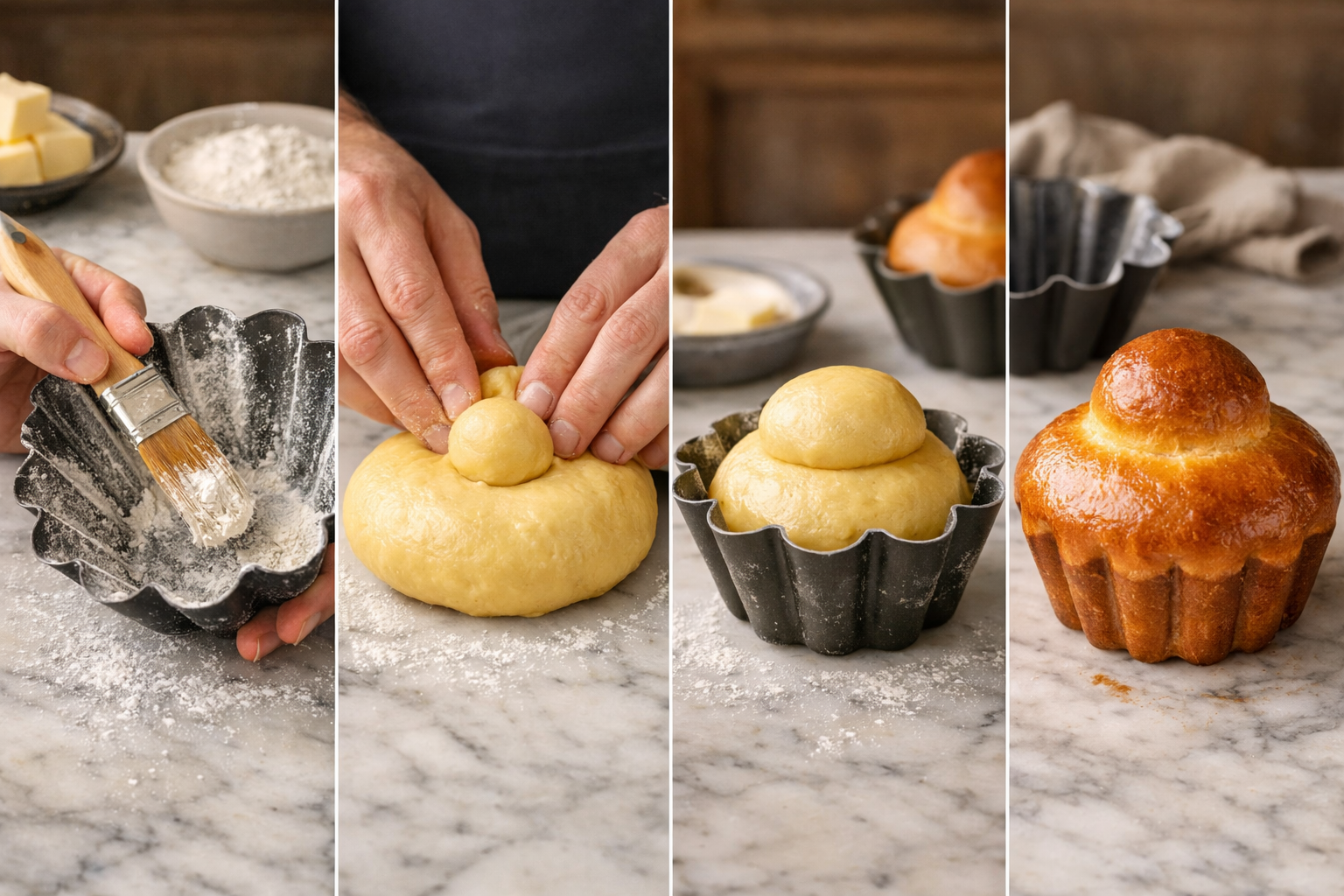
Proper preparation transforms your French tin baking mold from potential frustration into reliable performance. The preparation method varies by material:
For Tinned Steel and Tin-Plated Molds:
- Initial seasoning (new molds only): Coat interior with vegetable shortening, bake empty at 350°F for 20 minutes, cool completely
- Pre-baking preparation: Brush generously with soft butter, ensuring coverage of all fluted ridges
- Flour dusting: Tap flour around interior, rotating to coat evenly, then invert and tap out excess
- Temperature consideration: Bring mold to room temperature before adding cold dough to prevent thermal shock
For Non-Stick and Silicone:
- Light butter or cooking spray (even “non-stick” benefits from preparation)
- Optional flour dusting for enhanced release
- Place silicone molds on rigid baking sheet for stability
This meticulous preparation ritual isn’t perfectionism—it’s practical wisdom that prevents the heartbreak of torn brioche clinging stubbornly to pan walls.
The fluted pattern that creates visual appeal also creates numerous adhesion points where improperly prepared dough will stick[4].
Traditional Brioche à Tête Shaping Technique
The iconic brioche à tête (brioche with a head) requires specific shaping to achieve its characteristic mushroom-top appearance:
Step-by-Step Shaping Process:
- Portion dough: For individual molds, use 2-3 oz; for large molds, 1.5-2 lbs
- Create the body: Reserve one-quarter of dough; shape remaining three-quarters into smooth ball
- Place in prepared mold: Settle body portion into buttered, floured brioche pan
- Form the tête: Shape reserved dough into teardrop with pointed end
- Create indentation: Use finger to press deep hole in center of body dough
- Insert head: Press pointed end of teardrop into indentation, ensuring secure attachment
- Final proof: Allow to rise until nearly doubled, 1-2 hours at warm room temperature
The geometry of the classic brioche pan supports this distinctive shape during proofing and baking. Without proper mold structure, the tête would topple or merge with the body, losing the traditional presentation that defines authentic French brioche.
Baking Parameters for Perfect Results
Temperature precision separates adequate brioche from exceptional pastry. Professional bakers rely on these parameters when using professional baking equipment:
Optimal Baking Conditions:
- Oven temperature: 375°F (190°C) for individual molds; 350°F (175°C) for large loaves
- Positioning: Middle rack for even heat circulation
- Egg wash timing: Apply gentle egg wash just before baking for glossy finish
- Doneness indicators: Deep golden-brown color, internal temperature 190°F
- Cooling protocol: Rest in mold 5 minutes, then transfer to wire rack
The fluted design of your brioche mold creates varying thickness in the baked loaf, thinner sections at ridge peaks, thicker between ridges.
This variation produces delightful textural contrast when properly baked, with crispy edges yielding to tender interior. Understanding these nuances elevates your results from home-baked to bakery-quality.
For those expanding their repertoire beyond brioche, these temperature principles apply to other budget-friendly baking pans and specialty equipment in your collection.
Care, Maintenance, and Maximizing Mold Longevity
Cleaning and Storage Best Practices
Proper maintenance extends the lifespan of your brioche mold from years to decades. Material-specific care protocols ensure consistent performance:
Tinned Steel and Tin-Plated Molds:
- ✅ Hand wash immediately after cooling with warm water and soft sponge
- ✅ Dry thoroughly—moisture causes rust on exposed tin
- ✅ Apply thin oil coating before storage to prevent oxidation
- ❌ Never use dishwasher—high heat damages tin coating
- ❌ Avoid abrasive scrubbers that scratch protective surface
- ❌ Don’t soak—prolonged water exposure compromises tin plating
Non-Stick Aluminum:
- ✅ Hand wash with gentle detergent
- ✅ Use nylon or silicone utensils only
- ✅ Store with protective padding between nested pans
- ❌ Avoid metal utensils that scratch coating
- ❌ Skip dishwasher to extend coating life
Silicone:
- ✅ Dishwasher safe on top rack
- ✅ Store flat or hanging to prevent creasing
- ✅ Inspect regularly for tears or degradation
- ❌ Keep away from sharp objects
- ❌ Avoid direct flame or heating elements
Ceramic/Stoneware:
- ✅ Hand wash or dishwasher safe
- ✅ Check for chips or cracks before each use
- ✅ Store with cushioning to prevent breakage
- ❌ Avoid thermal shock (extreme temperature changes)
Professional bakers treat their French pastry tools with reverence, recognizing that proper care maintains the seasoning and surface characteristics that improve with age.
A well-maintained tin Mold develops a natural patina that enhances release properties, similar to seasoned cast iron.
For comprehensive guidance on maintaining various materials, explore resources on caring for your stainless steel pan and other specialty cookware.
Troubleshooting Common Brioche Mold Challenges
Even experienced bakers encounter occasional difficulties with bread baking equipment. Understanding solutions prevents repeated frustration:
Problem: Brioche Sticks to Mold
- Cause: Insufficient butter/flour preparation or damaged non-stick coating
- Solution: Increase butter application, ensure complete ridge coverage, consider mold replacement if coating degraded
Issue: Uneven Browning
- Cause: Hot spots in oven or poor heat conductivity in mold material
- Solution: Rotate pan halfway through baking, upgrade to tinned steel for better heat distribution
Problem: Tête Topples During Baking
- Cause: Insecure attachment or over-proofing
- Solution: Press tête more firmly into body, reduce proofing time slightly
Issue: Pale, Undercooked Ridges
- Cause: Insufficient oven temperature or overcrowded oven
- Solution: Increase temperature 25°F, ensure adequate air circulation around molds
Problem: Rust Spots on Tin Molds
- Cause: Inadequate drying or storage in humid environment
- Solution: Dry immediately after washing, apply thin oil coating, store in dry location
These challenges rarely indicate fundamental baking skill deficits—more often, they reflect equipment characteristics or preparation oversights.
Adjusting technique to accommodate your specific brioche mold material and design yields consistent success.
Selecting the Perfect Brioche Mold for Your Needs
Professional vs. Home Baker Considerations
The ideal brioche mold varies based on baking frequency, skill level, and intended applications:
Professional Pastry Chefs prioritize:
- Durability for daily use (tinned steel construction)
- Consistent heat performance across multiple ovens
- Standard sizing for recipe scaling
- Easy maintenance during high-volume production
- Investment in quality over initial cost savings
Serious Home Bakers value:
- Authentic results matching professional standards
- Versatility for various enriched dough recipes
- Reasonable price-to-performance ratio
- Manageable maintenance requirements
- Space-efficient storage solutions
Occasional Bakers prefer:
- User-friendly non-stick or silicone options
- Minimal maintenance demands
- Multi-purpose applications
- Budget-conscious pricing
- Dishwasher compatibility
For those building comprehensive collections, consider how individual brioche molds complement existing bakeware for small kitchens or integrate with efficient stackable bakeware solutions.
Price-Value Analysis Across Categories
Understanding the price-performance relationship helps identify optimal investments in baking accessories:
Budget Tier ($6-12 per mold):
- Silicone or basic non-stick aluminum
- Adequate for occasional use
- Limited longevity (2-5 years)
- Compromised heat performance
- Best for: Beginners testing interest in brioche baking
Mid-Range Tier ($12-25 per mold):
- Tin-plated steel or quality non-stick
- Excellent performance-to-price ratio
- Extended lifespan (10-20 years with care)
- Professional-quality results
- Best for: Committed home bakers, frequent use
Premium Tier ($25-45 per mold):
- Artisan-crafted tinned steel or ceramic
- Heirloom quality construction
- Lifetime durability potential
- Superior heat characteristics
- Best for: Professional use, collectors, gift-giving
The mid-range tier offers optimal value for most bakers, delivering professional performance without premium pricing. This category aligns with broader strategies for smart budget bakeware choices that prioritize quality over unnecessary features.
Where to Purchase Quality Brioche Molds
Sourcing authentic French tin baking molds requires identifying reputable suppliers:
Specialty Baking Retailers:
- Curated selection of professional-grade equipment
- Expert staff guidance
- Higher prices but quality assurance
- Examples: Sur La Table, Williams Sonoma, King Arthur Baking
Restaurant Supply Stores:
- Commercial-grade options at competitive prices
- Bulk purchasing discounts
- Less aesthetic variety, more functional focus
- Excellent value for serious bakers
Online Marketplaces:
- Widest selection including international brands
- Price comparison convenience
- Variable quality—research essential
- Read reviews carefully before purchasing
French Specialty Importers:
- Authentic traditional designs
- Premium pricing
- Cultural authenticity guaranteed
- Ideal for collectors and purists
When evaluating options, prioritize vendors offering detailed specifications, material composition transparency, and clear return policies. Quality culinary professional tools represent investments deserving careful selection. For comprehensive guidance on sourcing reliable equipment, explore resources at where to find quality bakeware.
Beyond Traditional Brioche: Creative Applications
Expanding Your Brioche Mold Repertoire
The distinctive fluted design of your brioche mold adapts beautifully to numerous enriched dough applications beyond classic brioche:
Savory Variations:
- 🧀 Cheese and herb bread: Incorporate gruyère and fresh thyme into dough
- 🥓 Bacon and onion loaves: Fold crispy bacon and caramelized onions throughout
- 🌿 Olive and rosemary: Mediterranean-inspired enriched bread
- 🧄 Garlic butter rolls: Individual molds perfect for dinner service
Sweet Applications:
- 🍫 Chocolate chip brioche: Studded with dark chocolate chunks
- 🍊 Orange cardamom: Citrus zest and warming spices
- 🍯 Honey almond: Natural sweeteners with toasted nuts
- 🫐 Berry swirl: Fresh or dried fruit incorporated
International Variations:
- 🇮🇹 Panettone-style: Italian Christmas bread in brioche mold
- 🇩🇪 Stollen: German fruit bread adapted to fluted pan
- 🇵🇹 Portuguese sweet bread: Enriched dough with traditional flavoring
- 🇲🇽 Pan de muerto: Day of the Dead bread in brioche shape
These adaptations demonstrate the versatility of gourmet baking supplies that transcend single-purpose limitations. The fluted pattern enhances visual appeal regardless of flavor profile, while the mold’s structural support accommodates various enriched dough formulations.
Brioche Molds in Modern Baking Trends
Contemporary bakers increasingly embrace artisan bread making techniques that honor tradition while incorporating modern sensibilities:
Whole Grain Brioche:
Modern health consciousness drives experimentation with whole wheat, spelt, and ancient grain flours in traditionally white-flour recipes. The brioche mold structure supports these denser doughs, creating nutritious alternatives without sacrificing visual appeal.
Sourdough Brioche:
The sourdough renaissance extends to enriched breads, with bakers incorporating natural leavening into butter-rich formulations. This technique requires extended fermentation but delivers complex flavor profiles impossible with commercial yeast alone. Proper professional baking equipment becomes even more critical when working with delicate sourdough cultures.
Vegan and Alternative Brioche:
Plant-based butter substitutes and aquafaba (chickpea liquid) enable dairy-free and egg-free versions that still benefit from traditional French pastry tools. The fluted mold creates familiar visual cues even when ingredient profiles differ dramatically from classic recipes.
Miniature and Portion-Controlled:
Individual brioche molds align perfectly with contemporary portion awareness, creating built-in serving sizes that satisfy without excess. This application particularly appeals to those seeking kid-friendly bakeware options that encourage healthy relationships with special occasion foods.
The Future of Brioche Molds and Artisan Baking
Sustainability and Ethical Production
As consumers increasingly prioritize environmental responsibility, the brioche mold market reflects broader sustainability trends. Manufacturers respond with:
- Recycled metal construction: Tin-plated steel from reclaimed sources
- Plastic-free packaging: Eliminating unnecessary waste
- Domestic production: Reducing transportation carbon footprint
- Lifetime warranties: Encouraging long-term use over replacement
- Repair programs: Extending product lifespan through re-tinning services
These initiatives align with movements toward sustainable cookware for everyday use, recognizing that kitchen equipment choices carry environmental implications beyond immediate functionality.
Technology Integration in Traditional Tools
While brioche molds remain fundamentally simple tools, subtle innovations enhance performance:
- Precision engineering: Computer-aided design optimizes fluting geometry
- Advanced coatings: Ceramic-reinforced non-stick for improved durability
- Heat distribution modeling: Material composition refined through thermal analysis
- Ergonomic handles: Thoughtful additions for safer handling
- Modular sizing: Interlocking designs for space-efficient storage
These refinements respect traditional form while incorporating modern manufacturing capabilities, creating kitchen bakeware that honors heritage without rejecting progress.
Preserving Culinary Heritage Through Equipment
The continued popularity of brioche molds represents more than nostalgia, it reflects recognition that certain traditional approaches remain unsurpassed.
In an era of rapid technological change, the fluted tin pan endures because its design perfectly serves its purpose. No innovation improves upon the fundamental geometry that creates authentic brioche.
This preservation of traditional French baking techniques through specialized equipment ensures that future generations can experience the same sensory pleasures that delighted bakers centuries ago.
The brioche mold becomes a tangible connection to culinary ancestry, a tool that carries forward knowledge encoded in physical form rather than written instruction.
Conclusion: Embracing Excellence in Brioche Baking
The journey from selecting your first brioche mold to mastering the art of French enriched bread baking represents more than skill acquisition, it’s an invitation into a centuries-old tradition that values craftsmanship, patience, and attention to detail.
Whether choosing individual molds for elegant breakfast service or investing in a classic large-format pan for celebratory occasions, the right equipment transforms aspirations into achievements.
Quality French tin baking molds deliver results that justify their modest investment many times over.
The distinctive fluted pattern, the perfect golden crust, the tender crumb that only properly supported enriched dough can achieve, these outcomes separate memorable baking experiences from forgettable attempts.
As you build your collection of bakeware essentials for new bakers, prioritize tools that honor tradition while serving contemporary needs.
Your Next Steps
Ready to begin your brioche baking journey? Consider these actionable steps:
- Assess your needs: Determine whether individual or large-format molds best suit your baking goals
- Select quality materials: Invest in tin-plated steel for optimal performance and longevity
- Master preparation techniques: Practice proper buttering and flouring to ensure consistent release
- Start with classic recipes: Build fundamental skills before experimenting with variations
- Maintain your equipment: Implement proper care protocols to protect your investment
- Expand gradually: Add complementary sizes and styles as your expertise grows
- Share your results: The joy of brioche multiplies when shared with appreciative recipients
The brioche mold awaits in your kitchen, ready to transform simple ingredients into extraordinary bread.
With proper equipment, technique, and dedication, you’ll soon pull golden, perfectly fluted loaves from your oven, each one a small triumph of tradition meeting skill, each one proof that some tools simply cannot be improved upon, only appreciated and used well.
Embrace the art of French baking. Your perfect brioche begins with the perfect mold.
References
[1] McGee, H. (2004). On Food and Cooking: The Science and Lore of the Kitchen. Scribner. pp. 531-534.
[2] Suas, M. (2008). Advanced Bread and Pastry: A Professional Approach. Delmar Cengage Learning. pp. 445-448.
[3] Environmental Working Group. (2023). “Cookware and Bakeware: A Guide to Safer Materials.” EWG Consumer Guides.
[4] Hamelman, J. (2012). Bread: A Baker’s Book of Techniques and Recipes (2nd ed.). John Wiley & Sons. pp. 298-302.

One response to “Brioche Mold: Authentic French Baking”
[…] mold offers another layer of creativity for cake and dessert designs. The sharp angles and unique shapes […]