Sustainable Bakeware Brand Options

Published:

Updated:

Author:

Sustainable Bakeware Brand Options

As environmental concerns continue to gain momentum, the choices we make in our kitchens can have a profound impact on the planet. What if your daily baking routine could contribute to a healthier world?

What You Will Learn

  • The importance of switching to eco-friendly bakeware for reducing waste and harmful chemicals.
  • Key materials that make bakeware eco-friendly: glass, ceramic, and non-toxic silicone.
  • How to prioritize brands that practice ethical manufacturing and transparency.
  • The significance of durability in bakeware to ensure long-term sustainability.

Why Eco-Friendly Bakeware Matters

Making conscious choices in bakeware contributes to a healthier planet and safer cooking. Below, we compare key aspects of eco-friendly bakeware materials.

Materials Overview

Understanding the composition of bakeware is crucial for both health and environmental impact.

  • Glass: Durable, recyclable, non-leaching.
  • Ceramic: Natural coatings, aesthetic, safe.
  • Silicone: Flexible, durable, toxin-free (high quality).
Non-Toxic & Sustainable

Driving Forces for Change

Several factors are propelling the shift towards more sustainable kitchen practices.

  • Demand: Growing need for chemical-free products.
  • Awareness: Increased understanding of environmental issues.
  • Support: Desire to back ethical manufacturing brands.
Health & Environment Focused


Understanding Eco-Friendly Bakeware: Why It Matters

As a passionate advocate for sustainable cooking, I’ve seen firsthand how eco-friendly bakeware can transform not only our kitchens but also our planet. With the growing awareness about environmental issues, many of us are shifting towards baking solutions that are kinder to the Earth. But why does this matter? Well, it’s not just about the products we use; it’s about the legacy we leave for future generations.

Switching to sustainable baking options helps reduce waste and limits harmful chemicals in our cooking. By choosing eco-friendly materials, we support practices that protect our environment, which is essential for our health and the wellbeing of our planet. It’s a small change that can lead to substantial benefits!

The Shift Towards Sustainable Baking Solutions

In recent years, there has been a noticeable trend towards embracing sustainability in the kitchen. More people are recognizing the importance of using non-toxic materials that do not pose health risks. This shift is not just about personal preference; it’s a collective movement towards a healthier lifestyle and a cleaner environment.

  • Growing demand for safe, chemical-free baking products
  • Increased awareness of environmental issues
  • Desire to support brands with ethical manufacturing practices

As we bake, it’s essential to consider the materials that make up our bakeware. The right choices can lead to less waste and a smaller carbon footprint, contributing to a more sustainable future. For more insights into how materials impact sustainability, you can refer to reports from organizations like The Sustainability Consortium, which often delve into product life cycles and environmental impacts.
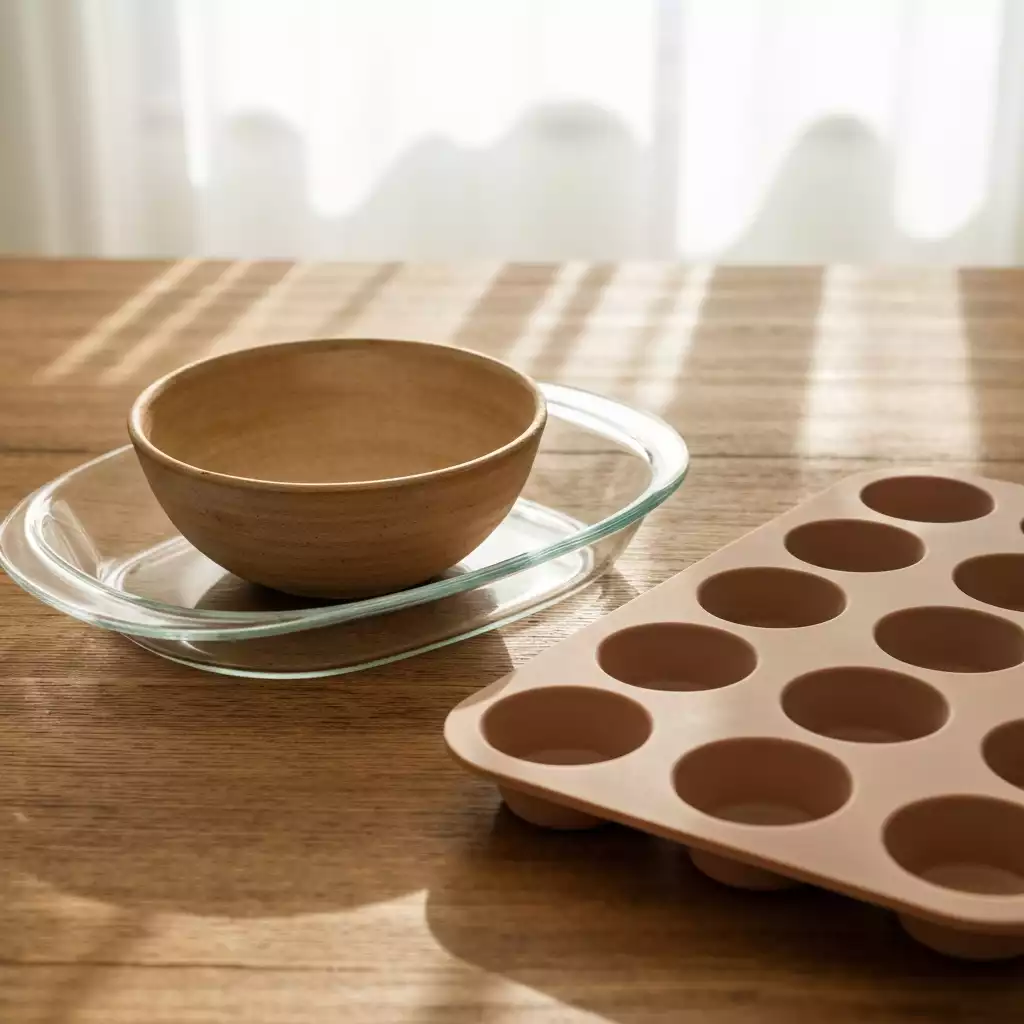
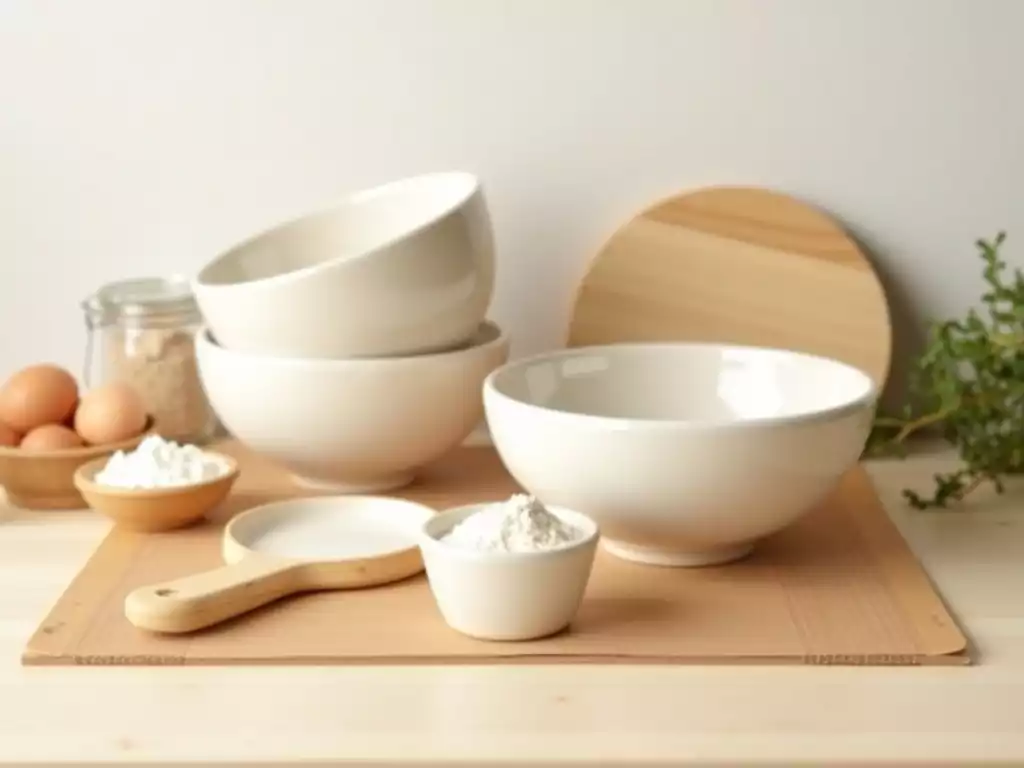
Assortment of eco-friendly bakeware: glass dish, ceramic bowl, and silicone muffin tray on a rustic wooden table

What Makes Bakeware Eco-Friendly? An Overview of Non-Toxic Materials

When we talk about eco-friendly bakeware, we think about the materials that make it safe for both us and the environment. Common eco-friendly materials include glass, ceramic, and certain types of silicone that are free from harmful chemicals like BPA and PTFE. The Florida Museum provides valuable information on sustainable cookware, emphasizing the health and environmental benefits of avoiding certain chemicals.

  • Glass: Durable and recyclable, glass bakeware does not leach harmful substances.
  • Ceramic: Often coated with natural materials, ceramic bakeware is both aesthetic and safe.
  • Silicone: High-quality silicone is flexible, durable, and can withstand high temperatures without releasing toxins.

Each of these materials plays a role in ensuring that our baking is not just delicious but also safe and sustainable. Understanding what makes bakeware eco-friendly helps us make informed choices, which is crucial in our commitment to sustainable living.

Frequently Asked Questions About Eco-Friendly Bakeware

Eco-friendly bakeware refers to baking tools and dishes made from sustainable, non-toxic materials that are safe for both human health and the environment. These materials often reduce waste and prevent harmful chemicals from leaching into food.

The primary materials include glass (durable, recyclable, non-leaching), ceramic (natural coatings, aesthetic, safe), and high-quality silicone (flexible, durable, toxin-free).

It helps reduce waste, limits the exposure to harmful chemicals in cooking, supports ethical manufacturing practices, and contributes to a healthier planet and a more sustainable future.

Prioritize bakeware made from non-toxic, sustainable materials, look for brands with ethical manufacturing and transparency, consider the durability and longevity of the product, and research brands’ commitments to sustainability.

Yes, resources like EcoWatch for sustainable living news, Sustainable Baking for tips and recipes, and Zero Waste Chef for kitchen waste reduction insights are great starting points.


Making Informed Choices in Eco-Friendly Bakeware

As we dive deeper into the world of eco-friendly bakeware, it’s essential to make informed choices that align with our sustainable baking goals. By understanding the materials and manufacturing processes used by different brands, we can choose options that not only perform well but also have a minimal environmental impact. Here are some key takeaways to keep in mind:

  • Prioritize bakeware made from non-toxic, sustainable materials.
  • Look for brands that practice ethical manufacturing and have transparency about their processes.
  • Consider the durability and longevity of the bakeware to maximize its lifespan. This approach aligns with the principles of sustainable consumption, as documented by organizations like the United Nations’ Sustainable Development Goals, which advocate for reducing waste through durable goods.
  • Research brand commitments to sustainability and their eco-friendly practices.

Person using eco-friendly bakeware in a modern, naturally lit kitchen

With these points in mind, you’re better equipped to select bakeware that meets your needs and reflects your values. Remember, making eco-conscious choices in the kitchen can lead to a healthier planet and delicious baked goods!

Resources for Further Exploration of Eco-Friendly Options

If you’re eager to expand your knowledge on eco-friendly bakeware and sustainable practices, there are plenty of resources available. Here are some great places to start:

  • EcoWatch for news and articles on sustainable living.
  • Sustainable Baking for tips and recipes that embrace eco-friendly practices.
  • Zero Waste Chef for insights on reducing waste in the kitchen.
  • Local workshops and community classes focusing on sustainable baking techniques.

These resources can empower you to make conscious choices while enjoying the art of baking. Engaging with the community around eco-friendly practices also fosters a sense of connection and shared purpose in our sustainable journey.

Recap of Key Points

Here is a quick recap of the important points discussed in the article:

  • Switching to eco-friendly bakeware reduces waste and limits harmful chemicals in cooking.
  • Materials such as glass, ceramic, and certain silicone are considered eco-friendly and safe.
  • Prioritize non-toxic and sustainable materials when selecting bakeware.
  • Support brands with ethical manufacturing practices and transparency about their processes.
  • Consider the durability and longevity of bakeware to maximize its lifespan.

One response to “Sustainable Bakeware Brand Options”

  1. Discover the Best Oven-Safe Bakeware Materials for Your Kitchen

    […] bakeware brands that offer quality and […]

Latest Posts

  • What Is Carote Cookware Made Of: Complete 2026 Materials & Safety Guide

    What Is Carote Cookware Made Of: Complete 2026 Materials & Safety Guide

    What Is Carote Cookware Made Of Last updated: June 24, 2026 Quick Answer: What Is Carote Cookware Made Of ? It is built on a die-cast aluminum body with a granite-style or ceramic nonstick coating applied over the surface. A magnetic stainless steel disc on the base makes it induction compatible. Depending on the product… Read More…

  • Pyrex Just Launched Ceramic Nonstick Cookware and New Bakeware: 2026

    Pyrex Just Launched Ceramic Nonstick Cookware and New Bakeware: 2026

    Pyrex Ceramic Bakeware 2026 Pyrex has been making glass measuring cups for 110 years. Now it’s making ceramic nonstick pans, metal cookie sheets, and ceramic ramekins, and the new lineup starts at just $3 per piece. What Happened Allrecipes writer Grace Cooper reported on June 17, 2026, that Pyrex has quietly expanded far beyond its… Read More…

  • Caraway Bakeware 2026: Newest Releases Include a $275 Bakeware Set

    Caraway Bakeware 2026: Newest Releases Include a $275 Bakeware Set

    Caraway Bakeware 2026 Latest Update: June 23, 2026 Caraway Bakeware 2026 has been quietly rolling out new products, and the latest batch is worth paying attention to, especially if you already own their cookware and want to round out your kitchen. Caraway’s Newest Releases Include a $275 Specialty Bakeware Set, Pizza Pan, and a Retro… Read More…