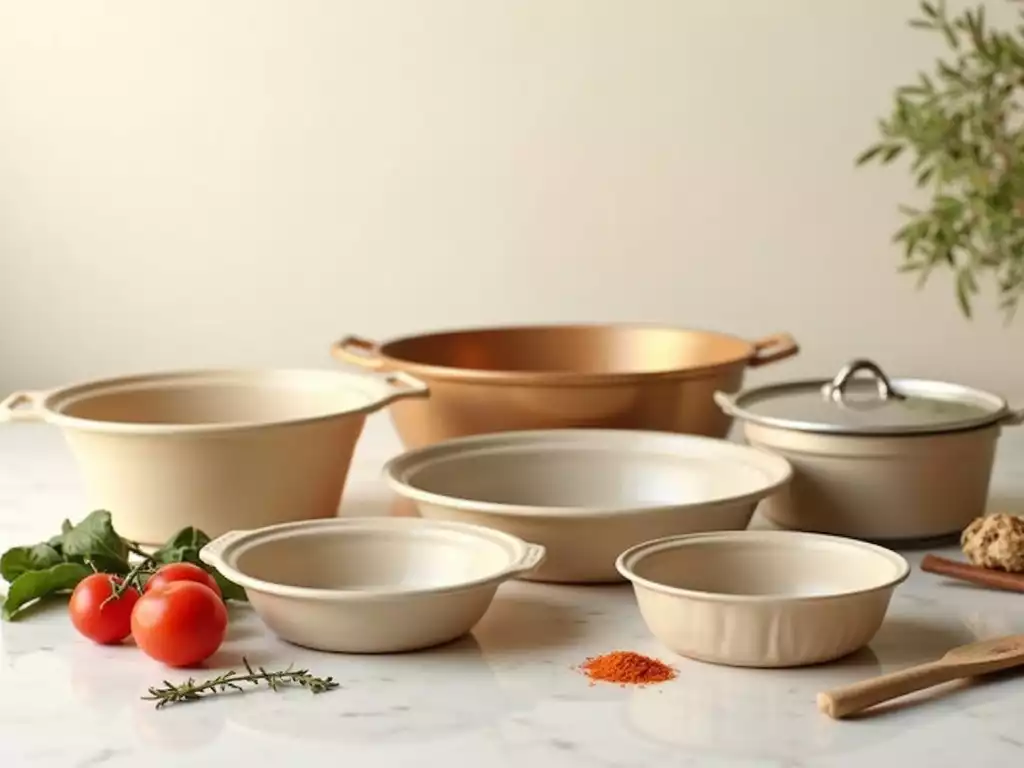
Understanding the right materials for your bakeware can transform your baking experience. Choosing wrong could mean the difference between a delicious dish and a culinary disaster!
What You Will Learn
- The importance of using oven-safe materials to avoid harmful chemical reactions.
- How different bakeware materials influence heat distribution and cooking performance.
- A comprehensive overview of common bakeware materials, including their pros and cons.
- Key considerations for selecting bakeware that suits your specific baking needs.
- Recommended bakeware brands that offer quality and performance.
Bakeware Material Overview: Properties & Considerations
Understanding the unique properties of common oven-safe bakeware materials is essential for culinary success and health. This visual compares key aspects of popular materials to help you make informed choices.
Material Type Stainless Steel
Known for durability and even heat distribution. Generally non-reactive and easy to clean.
Even Heat
Material Type Cast Iron
Excellent heat retention but requires proper seasoning and care to prevent rust.
Requires Care
Material Type Silicone
Flexible, non-stick, and easy to clean. Ensure it’s food-grade for safety.
Flexible
Material Type Ceramic
Beautiful and functional, providing even cooking. Great for casseroles and oven-to-table dishes.
Aesthetic
Material Type Glass
Non-reactive and transparent, allowing easy monitoring of cooking progress. Can shatter if thermal shocked.
Visual Monitoring
Material Type Aluminum
Lightweight with great heat conductivity. Some concerns about chemical leaching, especially with acidic foods.
Conductive
Understanding Oven-Safe Bakeware Materials
When it comes to baking, understanding oven-safe bakeware materials is crucial for both your health and your culinary success. Using safe materials not only ensures that your food doesn’t react with harmful substances but also influences how well your dishes cook. Let’s be honest: no one wants their favorite recipe ruined by the wrong bakeware!
Choosing the right bakeware can affect temperature retention, cooking times, and even the flavors of your dishes. That’s why it’s essential to pay attention to the materials you use in your kitchen. For instance, the Government of Canada provides guidance on food packaging materials, including those used in bakeware, to help consumers make informed choices regarding safety. After all, the last thing you want is to compromise your health or the quality of your food!
Why Choosing the Right Bakeware Matters
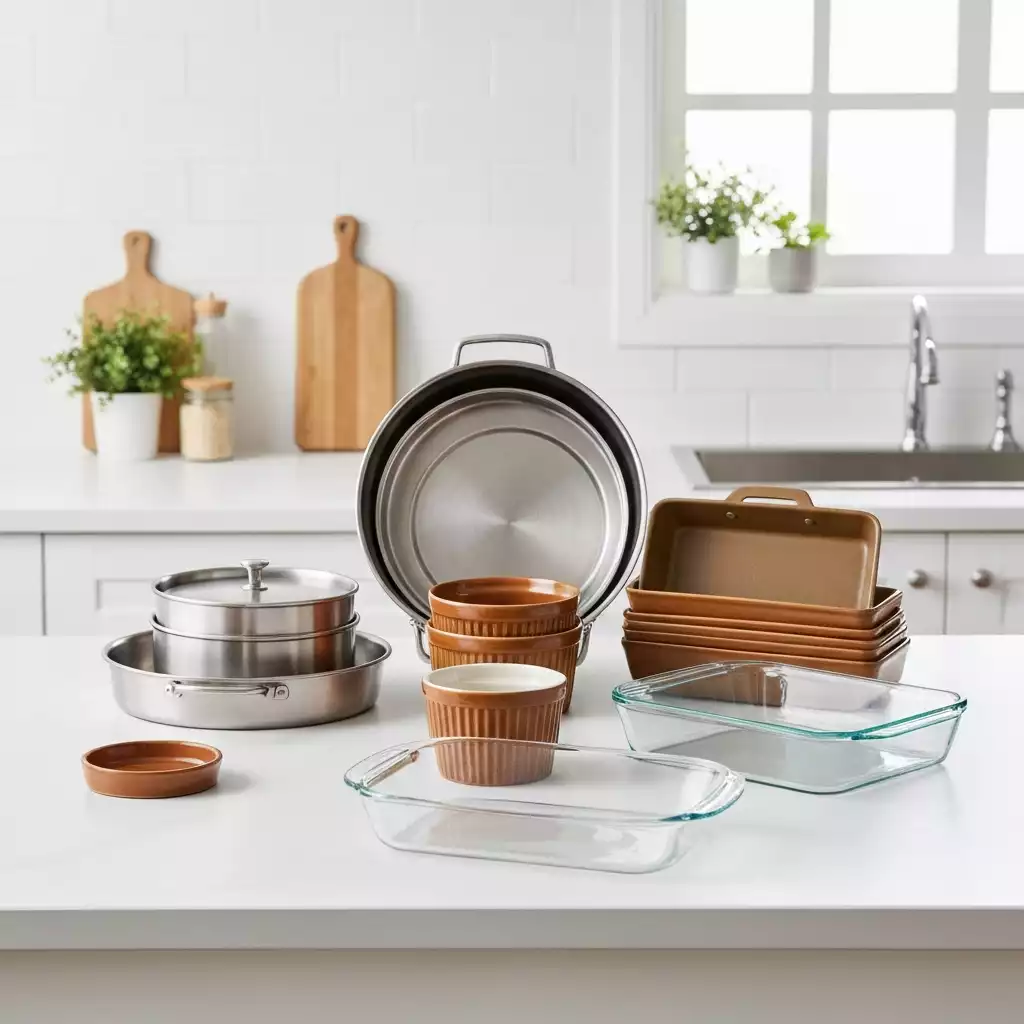
Using the right bakeware is more than just a matter of preference; it impacts your cooking performance! When you select high-quality materials, you ensure that your baked goods come out perfectly every time. Each material has unique properties that affect heat distribution, so understanding these can elevate your baking game.
- Health Implications: Some materials release harmful chemicals, especially when heated.
- Cooking Performance: Different materials conduct heat differently, affecting baking times and results.
- Durability: Investing in good materials means your bakeware can withstand high temperatures without warping or cracking.
In my experience, choosing bakeware that aligns with your cooking style can make all the difference. For instance, if you’re a fan of slow-roasted meals, opting for durable ceramic or cast iron can help you achieve that ideal, even cooking. This attention to material choice is also highlighted by FDA’s advice on safe food packaging choices, emphasizing the importance of non-toxic materials.
Common Bakeware Materials: An Overview
There are several materials that you might come across when shopping for bakeware, each with its advantages and drawbacks. Knowing what’s available can help you make informed choices for your kitchen. Here’s a brief overview of the most commonly used oven-safe bakeware materials:
- Stainless Steel: Known for its durability and even heat distribution.
- Cast Iron: Excellent heat retention but requires proper seasoning.
- Silicone: Flexible and non-stick, but check for food-grade safety.
- Ceramic: Beautiful and functional, great for even cooking.
- Glass: Non-reactive and clear, allowing you to monitor cooking progress.
- Aluminum: Lightweight with great heat conductivity, but watch for potential chemical leaching.
Each of these materials serves a specific purpose in the kitchen, and knowing their strengths can help you choose the best option for your culinary creations. I personally love using ceramic for casseroles; it not only looks great on the table but cooks evenly too! For further insights into the properties and safety of various materials, resources like the NSF International offer consumer resources on cookware, ensuring products meet public health standards.
Pro Tip
Did you know? When selecting silicone bakeware, always opt for food-grade silicone that is BPA-free. This ensures that no harmful chemicals leach into your food while baking, allowing you to enjoy your treats with peace of mind!
Making Informed Decisions on Oven-Safe Bakeware
When it comes to selecting the right oven-safe bakeware, it can feel overwhelming! There are so many materials to consider, each with its own benefits and safety concerns. Understanding these factors is crucial to ensuring your baking ventures are both enjoyable and successful.
Here’s a quick recap of what we’ve covered so far: the different bakeware materials available, their unique benefits, and some essential maintenance tips. Being informed empowers you to make choices that best suit your baking style!
Recap of Key Points to Consider
- Material safety: Know the health implications of each bakeware type.
- Heat retention: Choose materials that provide the best cooking performance.
- Maintenance: Follow care instructions to extend the life of your bakeware.
By keeping these points in mind, you’ll be able to navigate your options with confidence. Whether you’re new to baking or a seasoned pro, selecting the right materials can significantly impact your results.
Choosing the Right Bakeware for Your Needs

Every baker has unique needs based on their habits and preferences. For instance, if you love making casseroles, durable ceramic or cast iron might be your go-to. On the other hand, if you’re into quick bread or muffins, you might prefer food-grade silicone for its easy release and cleanup.
Ask yourself the following questions to help narrow down your choices:
- What type of dishes do I bake most often?
- Do I prioritize easy cleanup or heat conductivity?
- Am I concerned about potential health risks with certain materials?
By answering these questions, you can better evaluate which bakeware will work best for your kitchen adventures. Remember, your baking habits guide your choices!
Frequently Asked Questions About Oven-Safe Bakeware
- Q: Why is it important to use oven-safe bakeware materials?
- A: Using oven-safe materials is crucial to prevent harmful chemical reactions with your food and ensures proper heat distribution for optimal cooking performance and food safety.
- Q: How do different bakeware materials affect cooking?
- A: Each material has unique properties. For example, cast iron offers excellent heat retention, while aluminum is lightweight with great heat conductivity. These differences influence baking times, crust development, and overall results.
- Q: What are the main types of oven-safe bakeware materials discussed?
- A: The article covers stainless steel, cast iron, silicone, ceramic, glass, and aluminum, detailing their pros and cons for various baking needs.
- Q: What should I consider when choosing bakeware?
- A: Key considerations include material safety (avoiding harmful chemicals), heat retention (for desired cooking performance), durability, and ease of maintenance. Your specific baking needs and habits should also guide your choice.
- Q: Are there any specific recommendations for silicone bakeware?
- A: Yes, it is recommended to always choose food-grade, BPA-free silicone bakeware to prevent harmful chemicals from leaching into your food.
Popular Bakeware Brands and Their Specialties
With so many brands out there, it can be tough to know which ones are worth your investment. Here are a few reputable bakeware brands that I often recommend based on quality and user feedback:
- Pyrex: Known for its durable glass bakeware, Pyrex is perfect for everything from lasagna to brownies.
- Le Creuset: This brand offers stunning enameled cast iron that not only cooks beautifully but looks great on your table.
- Lodge: A go-to for affordable cast iron, Lodge products are excellent for those who love the traditional feel of cooking.
Each of these brands brings something unique to the table, so you can’t go wrong with any of them. As you explore your options, consider what each brand excels at and how it aligns with your baking needs!
Join the Discussion: Share Your Baking Experiences
Now that we’ve dived deep into oven-safe bakeware materials, I want to hear from you! What are your favorite types of bakeware? Have you had any memorable baking experiences with different materials? Share your thoughts in the comments below!
Your experiences can help others make informed decisions and feel more confident in their baking journeys. Let’s create a supportive community of bakers who can learn from each other!
Recap of Key Points
Here is a quick recap of the important points discussed in the article:
- Material safety: Know the health implications of each bakeware type.
- Heat retention: Choose materials that provide the best cooking performance.
- Durability: Invest in high-quality materials that last longer.
- Maintenance: Follow care instructions to extend the life of your bakeware.
- Choose based on needs: Select bakeware that aligns with your cooking habits and preferences.

8 responses to “Oven Safe Bakeware Material Options”
[…] benefits of selecting eco-friendly and BPA-free materials in your bakeware for health and environmental […]
[…] the significance of safe bakeware in preventing kitchen […]
[…] to identify dishwasher and oven safe features for hassle-free […]
[…] many easy clean bakeware options come with heat-resistant coatings and materials, making them versatile for various high-temperature baking […]
[…] is a common sight in many kitchens, but do you really know what it’s made of? Understanding the materials behind glass bakeware can help you make the best choices for your cooking needs. Most glass bakeware is crafted from […]
[…] the health risks associated with traditional bakeware materials like aluminum and […]
[…] Making conscious choices in bakeware contributes to a healthier planet and safer cooking. Below, we compare key aspects of eco-friendly bakeware materials. […]
[…] brand emphasizes eco-friendly materials that are safe for both users and the […]