Ceramic Bundt Cake Pan
Last updated: June 22, 2026
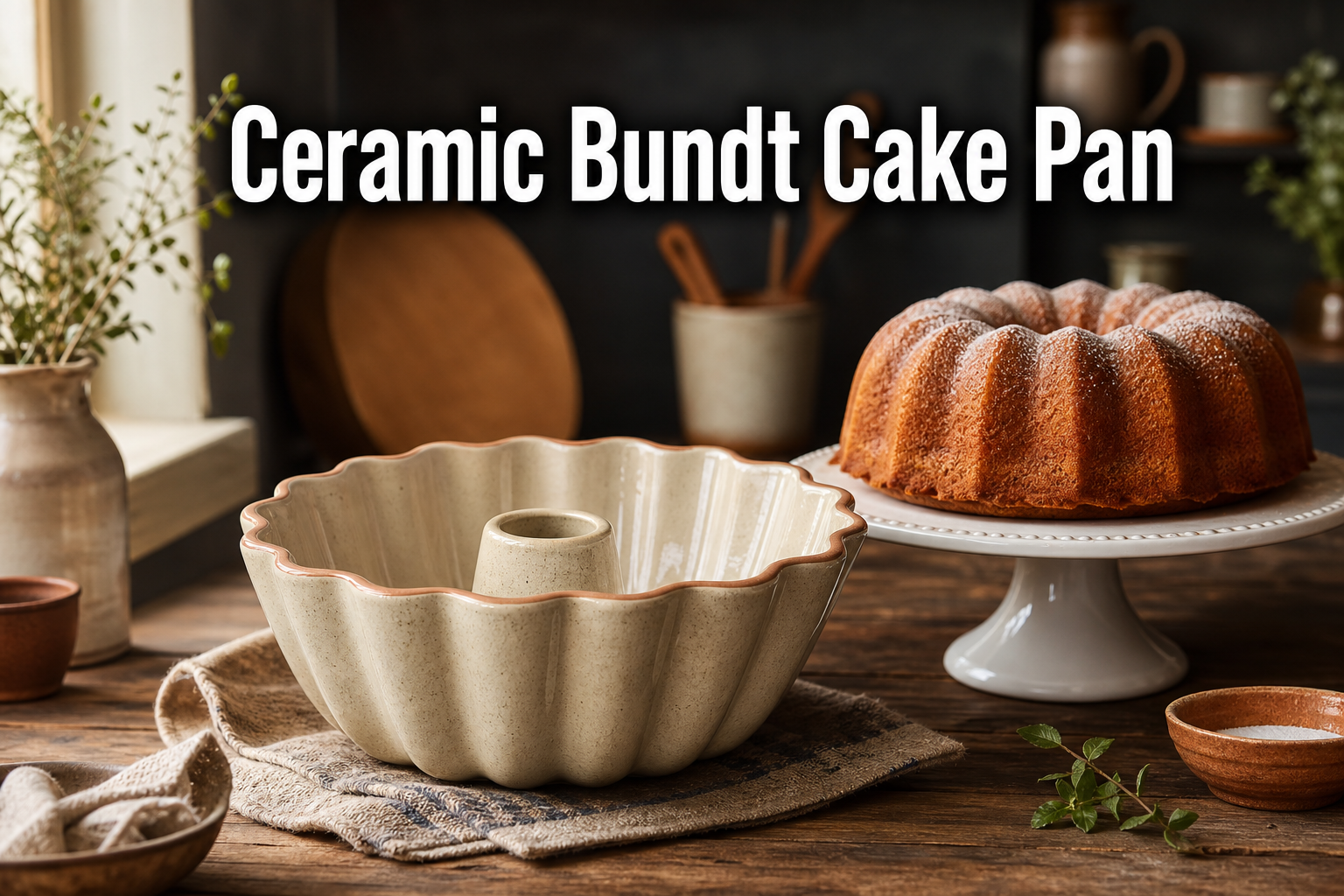
Quick Answer: A Ceramic Bundt Cake Pan is a fluted ring-shaped bakeware piece made from stoneware or ceramic-coated metal. It bakes evenly, looks beautiful on the table, and avoids synthetic nonstick coatings. However, ceramic pans heat more slowly than aluminum, require careful greasing, and are best suited for bakers who value aesthetics and non-toxic materials alongside performance.
Key Takeaways
- Ceramic Bundt pans are growing in popularity, representing an estimated 10 to 15% of Bundt pan unit sales in 2026, up from low single digits a few years ago (IndexBox, 2026 estimate).
- They are genuinely nonstick when properly glazed and greased, but release can be trickier than with heavy cast aluminum pans.
- Ceramic pans heat more slowly than metal, so you should lower oven temperature by about 25 degrees Fahrenheit and add up to 10 minutes of bake time.
- The biggest real-world advantage is aesthetics: ceramic Bundt pans go straight from oven to table without looking out of place.
- They are non-reactive, meaning no metallic flavor transfer, which matters for citrus or fruit-based Bundt recipes.
- Thermal shock is the main durability risk: avoid moving a cold ceramic pan directly into a very hot oven or rinsing it under cold water while still hot.
- For pure baking performance, heavy cast aluminum (like Nordic Ware) still leads expert test rankings in 2026.
- Ceramic is the right choice if you prioritize non-toxic coatings, table presentation, and a gift-worthy appearance.
Ready to shop? Browse Current Ceramic Bundt Cake Pan Options on Amazon
What Is a Ceramic Bundt Cake Pan and How Does It Differ from Metal?
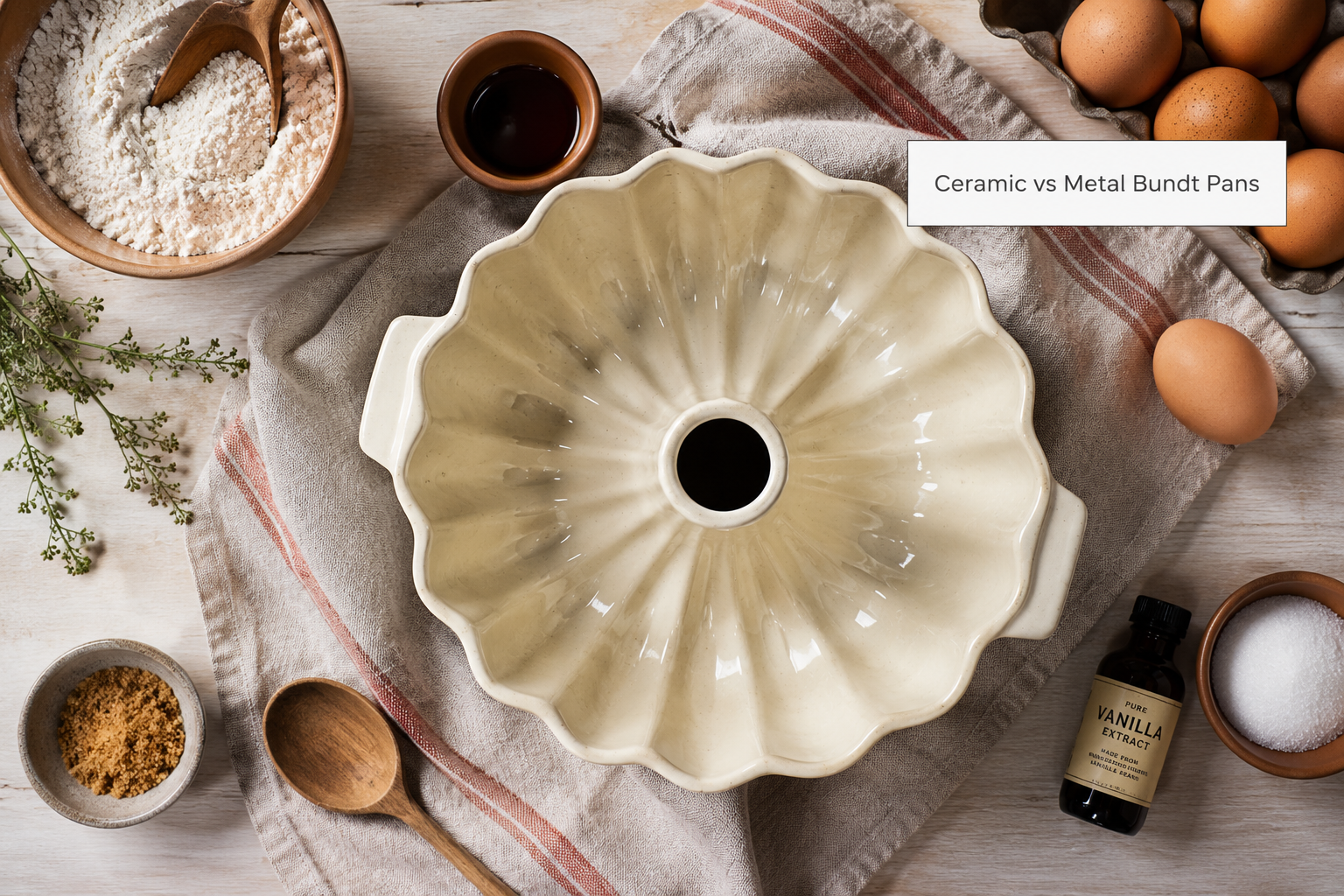
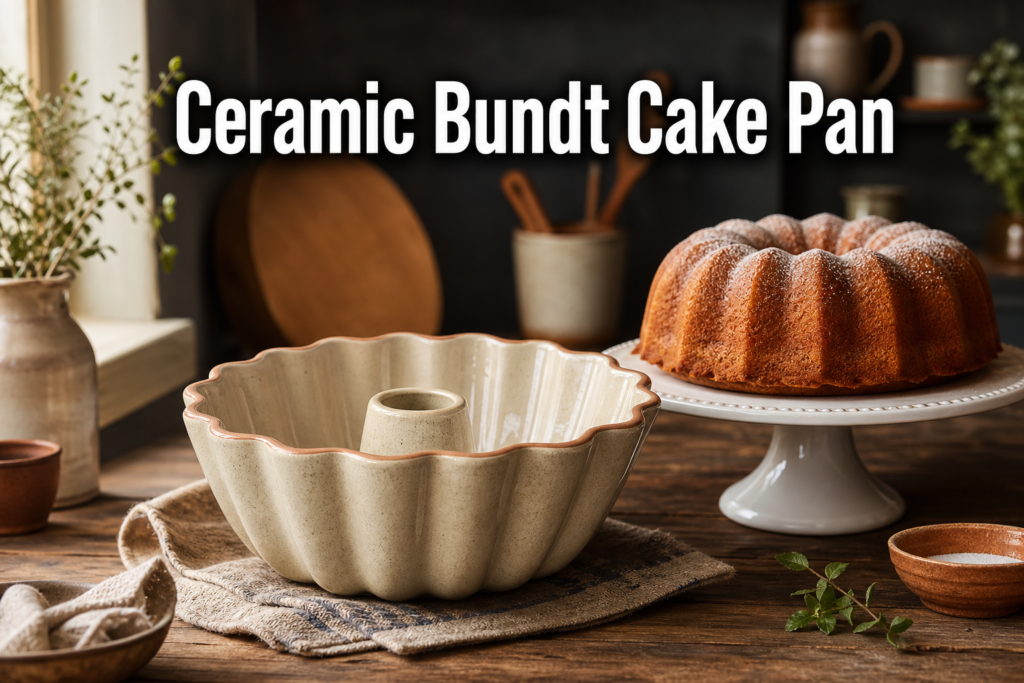
A Ceramic Bundt Cake Pan is a ring-shaped, fluted baking mold made from fired stoneware clay or a metal base coated with a ceramic glaze. Unlike traditional aluminum or steel Bundt pans, ceramic pans are heavier, heat more slowly, and retain warmth longer after leaving the oven.
The core functional difference comes down to heat transfer. Metal, especially cast aluminum, conducts heat quickly and evenly, which is why it dominates performance-focused reviews.
Ceramic acts more like an insulator: it takes longer to reach baking temperature but holds that heat steadily once it gets there. This slower, more gradual heat can actually benefit dense, moist cakes like pound cake or coffee cake, where a rapid exterior crust can trap raw batter inside.
There are two distinct types you will encounter while shopping:
- True stoneware ceramic pans: Made entirely from fired clay, often hand-glazed. Heavy, beautiful, and fully non-toxic. Brands like Emile Henry produce this style.
- Ceramic-coated metal pans: A metal (usually carbon steel or aluminum) base with a ceramic or ceramic-like nonstick coating applied over it. Lighter than stoneware, faster to heat, but the coating can wear over time.
Understanding which type you are buying matters, because their performance profiles differ. If you want a deeper comparison of coating types, our guide on Teflon vs ceramic cookware breaks down the key differences clearly.
Why Are Ceramic Bundt Pans Growing in Popularity in 2026?
Consumer demand for non-toxic, aesthetically appealing bakeware is driving steady growth in the ceramic Bundt pan category. According to a 2026 market note from IndexBox, ceramic and stoneware pans now account for an estimated 10 to 15% of Bundt pan unit sales, up from low single digits just a few years ago.
Two macro trends are pushing this shift:
- The “healthy cookware” movement. Many home bakers are actively moving away from PTFE-based nonstick coatings. Ceramic surfaces, whether stoneware or ceramic-coated metal, contain no PTFE or PFOA, which appeals to health-conscious buyers. A 2026 Global Market Insights cookware outlook specifically named ceramic and enameled surfaces as key growth drivers within the broader cookware market.
- Oven-to-table presentation. A ceramic Bundt pan looks intentional on a dining table. The Fortune Business Insights 2026 bakeware market update noted growing consumer willingness to pay for aesthetics and durability, calling out “serve from oven to table” as a key value driver for decorative ceramic pieces.
That said, mainstream expert testing in 2026 still ranks metal pans at the top for pure performance. Food and Wine’s January 2026 Bundt pan roundup did not include a ceramic pan in its top four or five picks, reflecting a consistent expert view that ceramic is a secondary choice for baking performance, even if it wins on aesthetics and material safety.
For a broader look at how ceramic stacks up as a material, see our full breakdown of ceramic cookware pros and cons.
How Does a Ceramic Bundt Cake Pan Perform in the Oven?
Ceramic Bundt pans bake cakes more slowly and at lower effective temperatures than metal pans, requiring adjustments to standard recipes. King Arthur Baking recommends lowering oven temperature by about 25 degrees Fahrenheit and extending bake time by up to 10 minutes when switching from metal to glass or stoneware, and the same principle applies directly to ceramic Bundt pans.
Here is what to expect during a typical bake:
- Slower heat uptake: The pan takes longer to come up to temperature, so the batter starts baking more gradually. This can produce a slightly denser crumb.
- Even heat distribution: Once hot, ceramic distributes heat steadily without the hot spots that thin metal pans sometimes create.
- Different browning: Edges may not brown as crisply as they would in a heavy aluminum pan. If a defined golden crust is important to your recipe, ceramic may disappoint.
- Longer warm-holding: After you pull the pan from the oven, the ceramic retains heat well, which can continue cooking the cake slightly. Remove it from the oven a few minutes earlier than you would with metal.
A practical baking adjustment checklist for ceramic Bundt pans:
- Reduce oven temperature by 25 degrees Fahrenheit from the recipe’s stated temperature.
- Add 5 to 10 minutes to the stated bake time.
- Check doneness with a skewer or instant-read thermometer rather than relying on visual cues alone.
- Let the cake rest in the pan for at least 15 to 20 minutes before inverting, longer than you would with metal.
- Grease every ridge and crevice thoroughly with softened butter or shortening, then dust with flour or cocoa powder.
Ready to shop? Browse Current Ceramic Bundt Cake Pan Options on Amazon
What Are the Real Pros and Cons of a Ceramic Bundt Cake Pan?
Ceramic Bundt pans offer genuine advantages for certain bakers, but they are not the right tool for everyone. Here is an honest breakdown.
Pros
- Non-toxic surface: No PTFE, PFOA, or synthetic nonstick chemicals. Safe at normal baking temperatures.
- Non-reactive: Will not transfer metallic flavors to citrus, fruit, or acidic batters.
- Aesthetic appeal: Beautiful glazed finishes make the pan suitable for serving directly at the table.
- Heat retention: Keeps the cake warm longer after baking.
- Gifting value: Ceramic Bundt pans, especially hand-glazed or patterned designs, make genuinely impressive gifts.
Cons
- Slower baking: Requires recipe adjustments; not ideal for quick or time-sensitive bakes.
- Heavier weight: True stoneware pans are significantly heavier than aluminum, which can make inverting awkward.
- Thermal shock risk: Sudden temperature changes can crack ceramic. Never place a cold pan in a very hot oven or rinse it under cold water while still hot.
- Release can be tricky: Despite being labeled nonstick, ceramic pans require more careful greasing than cast aluminum pans with seasoned surfaces.
- Expert performance ranking: As of 2026, no ceramic Bundt pan appears in the top picks of major test-kitchen roundups (Food and Wine, Better Homes and Gardens). Heavy cast aluminum still leads for crumb, rise, and clean release.
Choose a ceramic Bundt pan if: You prioritize non-toxic materials, table presentation, and non-reactive baking for acidic recipes.
Choose a metal Bundt pan if: Consistent rise, sharp fluted detail, and reliable cake release are your top priorities.
For more on non-toxic bakeware options broadly, our healthy non-toxic bakeware guide covers the full landscape.
Which Ceramic Bundt Cake Pan Should You Buy?
The Best Ceramic Bundt Cake Pan for you depends on whether you want true stoneware or a ceramic-coated metal option. Both have merit, but they suit different priorities.
Top options to consider in 2026:
| Pan Type | Best For | Key Trade-off |
|---|---|---|
| Emile Henry Ceramic Bundt (stoneware) | Table presentation, non-toxic baking, gift-giving | Heavy, slower baking, higher price |
| casaWare Ceramic-Coated Fluted Pan | Everyday baking with ceramic coating benefits | Coating durability over time |
| Nordic Ware Enameled Cast Iron Bundt | Heat retention with faster browning | Very heavy, premium price |
| Generic ceramic-coated carbon steel | Budget-friendly ceramic option | Thinner coating, shorter lifespan |
When evaluating any ceramic Bundt pan, check these criteria before buying:
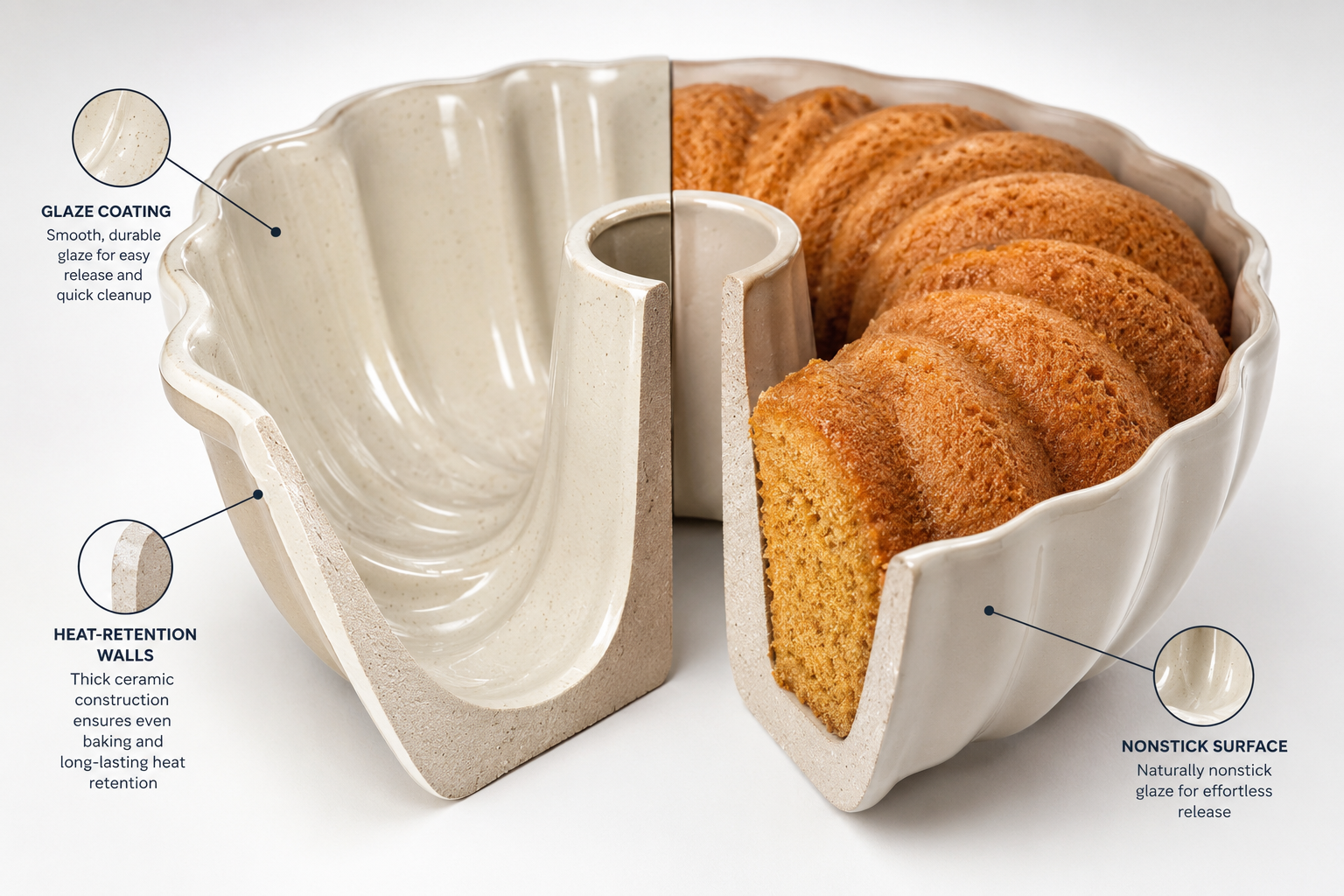
- Interior glaze quality: A smooth, even glaze with no pinholes or rough patches releases cake more cleanly.
- Wall thickness: Thicker walls mean more even heat distribution and better heat retention.
- Capacity: Most standard Bundt recipes call for a 10 to 12 cup pan. Confirm the pan’s stated capacity before purchasing.
- Dishwasher safety: Many ceramic Bundt pans are technically dishwasher safe, but hand-washing extends their life significantly.
- Oven temperature rating: Most stoneware is rated to 500 degrees Fahrenheit, but confirm this for ceramic-coated metal pans, which sometimes have lower limits.
Browse Current Ceramic Bundt Cake Pan Options on Amazon to compare prices and read verified buyer reviews.
How Do You Get a Cake to Release Cleanly from a Ceramic Bundt Pan?
Clean cake release from a ceramic Bundt pan requires thorough pan preparation and proper resting time. This is the step most bakers underestimate, and it is the most common reason cakes stick.
Step-by-step release method:
- Use softened (not melted) butter or solid vegetable shortening. Apply it with a pastry brush or your fingers, pressing into every ridge and crevice.
- Dust the greased surface with all-purpose flour (or cocoa powder for chocolate cakes). Tap out any excess.
- Alternatively, use a baking spray that contains flour (such as Baker’s Joy or PAM Baking), which coats complex fluted shapes more reliably than butter alone.
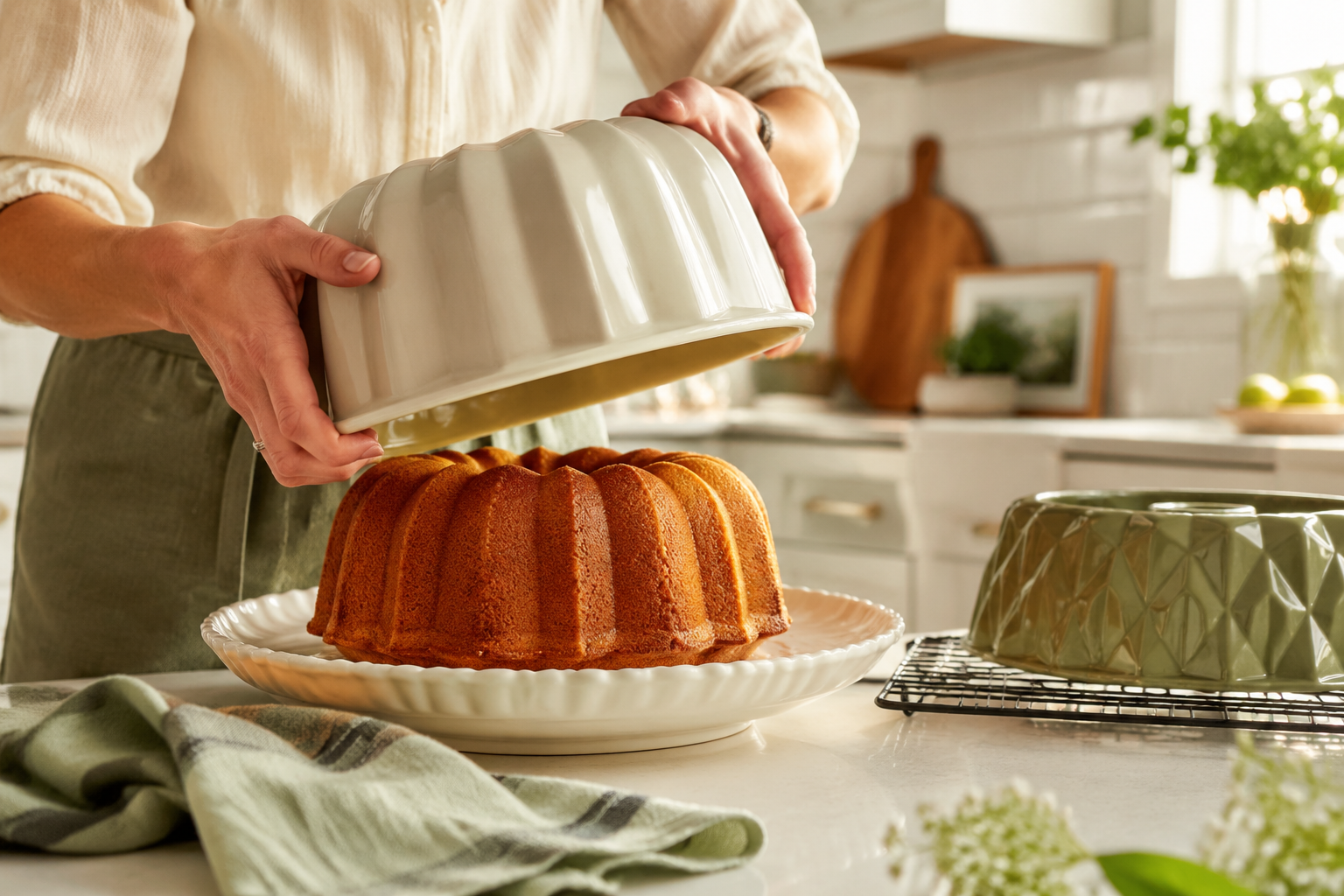
- After baking, let the cake rest in the pan on a wire rack for 15 to 20 minutes minimum. The cake needs to contract slightly from the pan walls before you invert.
- Place a wire rack or serving plate over the pan, then flip firmly in one confident motion. Tap the bottom of the pan gently if needed.
- If the cake does not release immediately, wait another 5 minutes before trying again. Do not force it.
A common mistake is greasing only the flat interior surfaces and missing the central tube and the deep ridges of the fluted pattern. Every surface that touches batter must be coated.
For tips on keeping your bakeware in top condition after each use, see our guide on simple bakeware cleanup tips.
How Do You Care for and Maintain a Ceramic Bundt Cake Pan?
Ceramic Bundt pans last for many years with straightforward care. The main threats to their longevity are thermal shock, abrasive cleaning, and impact damage.
Daily care rules:
- Always let the pan cool to room temperature before washing. Never rinse a hot ceramic pan under cold water.
- Hand-wash with warm soapy water and a soft sponge. Avoid steel wool or abrasive scrubbers that can scratch the glaze.
- For stubborn residue, soak in warm water for 20 to 30 minutes rather than scrubbing hard.
- Store the pan where it will not be knocked or stacked under heavy items. Ceramic chips and cracks on impact.
Thermal shock prevention:
- Do not place a cold pan directly into a preheated oven above 400 degrees Fahrenheit. Start with a moderately warm oven or let the pan sit at room temperature for 20 to 30 minutes first.
- Avoid placing a hot pan on a cold or wet surface. Use a dry trivet or folded kitchen towel.
If you are comparing ceramic to other non-toxic bakeware materials, our non-toxic bakeware set reviews covers a wider range of options including silicone, glass, and enameled cast iron.
Ready to shop? Browse Current Ceramic Bundt Cake Pan Options on Amazon
Is a Ceramic Bundt Cake Pan Worth It Compared to Aluminum?
For most serious bakers focused purely on performance, a heavy cast aluminum Bundt pan is still the better technical choice in 2026. But for bakers who value non-toxic materials and beautiful presentation, a ceramic Bundt pan is absolutely worth the investment.
Here is the honest comparison:
- Performance: Cast aluminum wins on rise, browning, crumb texture, and release reliability. Experts at Food and Wine, Better Homes and Gardens, and Two Peas and Their Pod consistently rank heavy aluminum pans (particularly Nordic Ware) at the top for these reasons.
- Material safety: Ceramic wins for buyers avoiding synthetic nonstick coatings. There are no PTFE or PFOA concerns with stoneware or properly glazed ceramic.
- Aesthetics: Ceramic wins clearly. A hand-glazed ceramic Bundt pan on a holiday table looks intentional and elegant in a way that bare aluminum never will.
- Versatility: Ceramic pans can double as serving vessels. Aluminum pans cannot.
- Price: Both are available across a wide price range, though premium stoneware (Emile Henry, for example) costs more than comparable aluminum options.
My honest take: if you bake Bundt cakes regularly for family gatherings and care about what the table looks like, a ceramic pan earns its place. If you are entering a baking competition or need the most reliable release every single time, stick with heavy cast aluminum.
You can also explore how ceramic performs across other bakeware formats in our RUYOLIKS ceramic bakeware set review and the USA Pan ceramic bakeware line overview.
Frequently Asked Questions About Ceramic Bundt Cake Pans
Can I use a ceramic Bundt pan at high oven temperatures?
Most stoneware ceramic Bundt pans are rated to 500 degrees Fahrenheit. Ceramic-coated metal pans may have lower limits, sometimes 450 degrees Fahrenheit. Always check the manufacturer’s specification before exceeding 425 degrees Fahrenheit.
Do ceramic Bundt pans need to be seasoned like cast iron?
No. Ceramic and glazed stoneware do not require seasoning. However, thorough greasing before each bake is essential for clean cake release.
Why did my ceramic Bundt pan crack?
Thermal shock is the most likely cause. Moving a cold pan into a very hot oven, or rinsing a hot pan under cold water, creates rapid temperature differentials that crack ceramic. Always bring the pan to room temperature before baking and let it cool fully before washing.
Is a ceramic Bundt pan dishwasher safe?
Many are labeled dishwasher safe, but repeated dishwasher cycles can dull the glaze over time. Hand-washing is recommended for longevity.
Can I use metal utensils in a ceramic Bundt pan?
You should not need to use utensils inside a Bundt pan since the cake is inverted out. However, avoid metal scrapers or tools on the interior glaze, as they can scratch and compromise the nonstick surface.
How do I know if a ceramic Bundt pan is truly non-toxic?
Look for pans labeled PTFE-free, PFOA-free, and lead-free. Reputable brands include these certifications in their product descriptions. True stoneware from established brands is inherently free of synthetic nonstick chemicals.
Will a ceramic Bundt pan work on an induction cooktop?
No. Bundt pans are oven-only bakeware. Ceramic and stoneware are not compatible with induction or any stovetop cooking.
How long does a ceramic Bundt pan last?
With proper care (no thermal shock, hand-washing, careful storage), a quality stoneware Bundt pan can last 10 to 20 years or more. Ceramic-coated metal pans typically last 3 to 7 years before the coating shows wear.
What size ceramic Bundt pan should I buy?
The standard size for most Bundt cake recipes is 10 to 12 cups. Confirm the capacity listed in the product description before purchasing, as some decorative ceramic pans are smaller than standard.
Can I bake bread in a ceramic Bundt pan?
Yes. Dense, enriched breads like babka or a simple ring loaf bake well in a ceramic Bundt pan. The even heat retention suits bread baking, though you will still need to adjust timing compared to a metal loaf pan.
Ready to shop? Browse Current Ceramic Bundt Cake Pan Options on Amazon
Conclusion
A Ceramic Bundt Cake Pan occupies a specific and genuinely useful niche in the bakeware world. It is not the fastest-heating pan, and it is not the easiest for guaranteed cake release.
But for bakers who want to avoid synthetic nonstick coatings, serve a beautiful cake directly from pan to table, and invest in bakeware that looks as good as it functions, ceramic is a strong and increasingly popular choice in 2026.
Actionable next steps:
- Decide which type suits your needs: true stoneware for maximum non-toxic assurance and aesthetics, or ceramic-coated metal for lighter weight and faster heating.
- Confirm the pan’s capacity (10 to 12 cups for standard recipes), oven temperature rating, and glaze quality before purchasing.
- Plan to adjust your recipe: reduce oven temperature by 25 degrees Fahrenheit and add 5 to 10 minutes of bake time.
- Invest 5 minutes in thorough pan preparation before every bake. Greasing every ridge is the single biggest factor in clean release.
- Browse Best Ceramic Bundt Cake Pans on Amazon to compare current options, read verified buyer reviews, and find the right fit for your kitchen and budget.